
Home Blog Page 35

UFC vs Bellator: Key Differences Explained

0

UFC and Bellator are the two biggest MMA promotions in the world. For many years now, these two have been the home of the best fighters and leaders in the MMA market. And as time goes by, the rivalry between them seems to be getting bigger and bigger. But, which one is better?

UFC is the best MMA promotion that is larger and more famous than Bellator. It is also much older, its roster consists of more skilled fighters, and it is a stronger brand. At some point, most elite fighters end up signing with the UFC, as winning their title means you are the best in the world. In the eyes of most fans, Bellator is often seen as the second league compared to the UFC. But is it like that?

Keep reading this article to find out more about how these two promotions differ from one another. We will also explore their comparisons when it comes to rules, the strength of competition, and many other aspects. 

UFC vs Bellator- What are the Main Differences?

UFC and Bellator are two separate promotions that differ a lot in various aspects. Here is a brief look into all you need to know about how they differ from one another.

  • History– UFC is the pioneer of modern MMA in the US and their first event took place in 1993. Bellator came more than a decade later in 2008, with the first event taking place in 2009.
     
  • Ownership– the owner of the UFC is the company called “Endeavor” which bought it in 2016 for $4 billion. Since 2011, the owner of Bellator has been the company named “ViacomCBS”.
     
  • Fighters and competition — UFC is the home of the best fighters and toughest competition. They sign only the best fighters who already showcased their talent in other promotions, including Bellator.
  • Event format– Apart from the regular events, Bellator still includes a “Grand Prix” tournament format. The early UFC events also included tournaments in the past, but they don’t do this any longer.
     
  • Weight classes– UFC has eight classes for men and four for female fighters. Bellator has seven classes for men and just two for females. 
     
  • Rules– Both promotions have adopted the “Unified Rules of MMA” put together in 2000. But, the rules differ to a small degree as we are going to discuss in more detail later in this article.
     
  • Cage Size- UFC uses an eight-sided steel cage named “Octagon” that is 30 feet in diameter, 6 feet high, and has 750 square foot fighting area. Bellator uses a circular cage that is 36 feet across with around 1020 square foot fighting area space.

Is the Drug Testing Program the Same in UFC and Bellator?

No, as of 2021, the drug testing program has not been the same in these two promotions. Since 2012, the UFC has been working aggressively with the “USADA” drug-testing agency on keeping the sport clean. Bellator, on the other side, has a weaker testing program. They are not working with independent agencies like USADA or WADA.

UFC is doing a superb job in keeping the sport clean and stopping fighters from using performance-enhancing substances. The collaboration between the UFC and USADA resulted in many fighters testing positive for banned substances. Some of them were even champions and top fighters. But in modern times, the number of fighters testing positive for banned substances has been in decline because of steep penalties when caught and worse yet, stain their reputation as a fighter.

UFC Fighters must provide blood and urine samples whenever USADA needs them. It even doesn’t matter if they have the fight booked or not, or are in the church and about to get married. They must answer the call and go to the toilet to fill in the cup and give the sample. If they refuse, the fines and suspensions issued by USADA can be very serious.

As a regulated promotion, Bellator works with a state commission that tests the fighters before the fight. But this is nowhere near the same level of testing that USADA does. It is very weak testing and this is one of the key reasons why UFC is better than Bellator.

UFC vs Bellator – PPV Buys, Worth, and Revenue

UFC has grown into a gigantic company and is more successful than Bellator in just about every single aspect of the business. It is a very strong brand, which is, in some way, synonymous with the sport of MMA. Even in modern times, people tend to mix UFC with MMA, thinking it is the same thing. This shows you how big the company is, and let us back up our claims with some data. 

Who sells more pay per view?

The UFC has been using the pay per view model since the early days. And when it comes to the MMA market, they hold every single record in PPV sales and viewership. The biggest one was the “UFC 229” that sold 2.4 million PPV buys around the world. As of 2021, they had 18 events that reached over one million PPV buys and not a single other MMA promotion can come even close to these numbers. 

Bellator, on the other side, started using the pay-per-view model quite late in 2014. The event that cashed in most PPV buys was “Bellator 120” which sold 100,000. And we have to point up that more than 200 UFC events have had more than 100,000, which shows you how superior it is to Bellator. 

Net worth and revenue

The same stands when it comes to worth. In 2016, the famous Fertitta brothers and Dana White sold the UFC for $4 billion dollars to WME-IMG. In 2021, Dana White revealed that UFC is now worth around $9 billion and according to Moody’s rating, the UFC revenues for 2020 were over $800 million. On the other side, Bellator’s worth is much less with its total valuation ranging between $50 and $100 million. The annual revenue was around $80 million in 2019, and $100 million in 2020.

Are the Fighters in Bellator Just as Good as the Fighters in the UFC?

The short answer is: no, they are not. UFC is the best MMA promotion in the world and the home of the best fighters. Just about every skilled fighter who does well in other promotions, including Bellator, ends up signing for the UFC at some point.

Over the years, many young prospects have moved from Bellator to the UFC, while things do not go the other way around. In most cases, fighters who move from UFC to Bellator are in the late stages of their career, on a bad losing streak, or simply are not competitive enough to continue at the UFC level.

This is because the UFC has more fighters, and their roster is much stronger in every single weight class. If we look at the rankings in both promotions, all UFC weight classes are much stronger and tougher to compete in than the ones in Bellator. So if a young fighter dreams about being the best and becoming a champ, he/she must go to the UFC to be considered the best.

The math here is very simple to understand. Bellator is signing talented young fighters who are still working their way up in the MMA world. Once they pass the initial tests and get the hype going, the UFC will sign them as potential stars. You can look at the UFC as the NBA of MMA, while Bellator is the NCAA league where players are working their way up.

Are the rules different between UFC and Bellator?

The rules are very much the same since both promotions have adopted the “Unified Rules of MMA”. This means the rules are the same when it comes to:

  • legal and illegal strikes
  • length and number of rounds, and rest period between them
  • scoring system and judges criteria

But, the Unified Rules allow both promotions to make certain changes. This is why some of the rules differ between these two promotions and here is all you need to know about that.

In Bellator, for instance, only championship fights are five rounds while nontitle bouts are three rounds. In UFC, however, every main event, no matter if it’s for the title or not, is five rounds which differs a lot from Bellator.

The other rule is the number of weight classes. According to Unified Rules, there are 14 weight classes for men and five for female fighters. But, this doesn’t mean that all MMA promotions must include all weight classes.

The UFC, for instance, has eight weight classes for men and four for females. Bellator, on the other side, has seven weight classes for men and two weight classes for female fighters. In total, UFC has three weight classes more than Bellator.

Who are the Highest-Paid Fighters in UFC and Bellator?

These two promotions are a world apart when it comes to how much money top fighters are earning. UFC has richer sponsors, better TV deals and much higher pay-per-view buys than Bellator. This means they can give their fighters higher base payouts, pay per view and post-fight bonuses.

Here is a list of the most famous Bellator fighters and how much they earn per fight. These numbers do not include sponsorship deals and extra bonuses.

Fedor Emelianenko– $300,000 

Juan Archuleta– $250,000 

Patricio Freire– $200,000 

Gegard Mousas– $150,000

Lyoto Machida—  $150,000 

Source: Forbes, mmafighting.com

The numbers get much bigger if we move to the UFC. Here is a list of highest paid UFC fighters without bonuses: 

  • Khabib Nurmagomedov— the former UFC champ earned around $6 million in his fight against Justin Gaethje. 
  • Conor McGregor- the Irishman earned around $3 million for showing up to fight against Dustin Poirier. But this is without sponsorship deals and bonuses.
  • Dustin Poirier- in his fight against Mcgregor, Poirier received around $1 million base pay from the UFC.
  • Kamaru Usman– earned around $750,000 paycheck for knocking out Jorge Masvidal. 

Is the Bellator Cage Different than UFC?

Yes, the shape and size of the steel cage in which fighters compete differ a lot between Bellator and UFC. Bellator uses a much bigger cage that has a circular shape and is 36 feet across with 1020 square space of fight area. The cage design doesn’t have any corners which makes it much easier for fighters to move around.
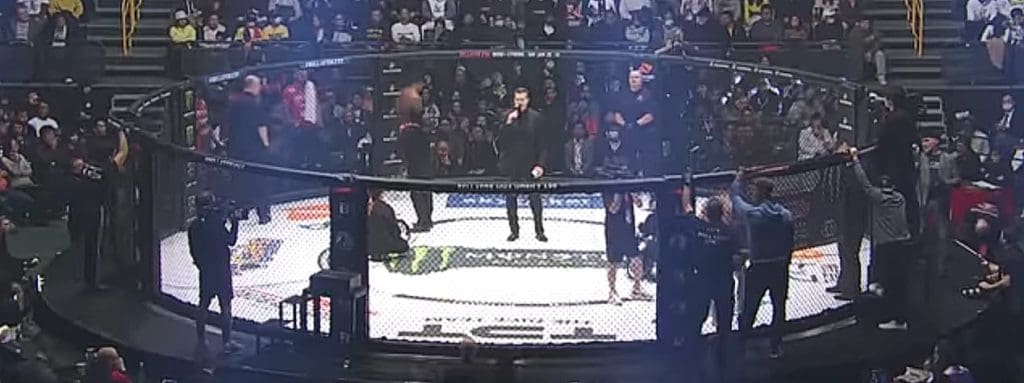
Bellator cage

The UFC, on the other side, uses a steel cage that has eight corners named “octagon”. The size of the octagon varies between the events as they have smaller and larger versions. The original version of the octagon is 30 feet across, 5’9″ inches high, and has approximately 746 ft2 of interior area. The smaller version is 25 feet across and has around 518 ft2 of interior area.

UFC Octagon
Photo Credit: Wikimedia

The size and shape of the UFC cage play a big role when it comes to the finishing rate or place of the fight. For instance, a smaller cage favors wrestlers who like to press and stuck the opponent against the fence/corner. They can use this position to score takedowns or tire the opponent out. One of the masters of this was the former champ, Randy Couture.

And when it comes to the finishing rate, the numbers don’t lie. As of 2020, the finishing rate in the larger octagon was around 48%. But this number was much higher in the events in which they used a smaller cage since around 60% of the fights ended in a finish.

Can UFC Fighters Fight in Bellator and Vice Versa?

Yes, fighters can leave the UFC to fight in Bellator and vice versa. Over the years, we have seen many fighters crossing over between these two promotions. In most cases, fighters who go to the UFC are upcoming stars who yet need to work their way up and become famous. But, there are also cases in which the UFC may sign a champion or a very famous Bellator fighter like they did with Michael Chandler.

Since Bellator is a league below the UFC, you will never see a UFC fighter moving to Bellator while they are on top. No, fighters who do that are, in most cases, in the late stages of their careers where they can’t achieve much. But at the same time, they are still famous and skillful enough to do well in Bellator. There were some exceptions like when Gegard Mousasi left the UFC to sign with Bellator. But this was due to the contract dispute he had with the company, not because he wanted to leave.

On the other side, some UFC veterans who did well in Bellator and even became champions were:

  • Benson Henderson
  • Ryan Bader
  • Rory McDonald

Even though crossing over between the promotions sounds simple on paper, the reality is a bit different. Each fighter must sign a contract with the promotion they are fighting for. For this reason, fighters can’t just break the contract they signed and leave as free agents. No, they have to comply with what they agreed upon in the contract. But once the contract expires, or the promotion decides to let them go for some reason, they can join some other promotion if they want.


What is the Difference Between UFC and MMA? – Simple Answers

0

Mixed Martial Arts(MMA) has fast become one of the world’s most popular sports with a massive following of athletes and fans alike. As with most sports, there are several organizations attached to the sport that govern the rules and regulations of the sport and promote it on a national and international level.  

MMA is an acronym for the sport known as Mixed Martial Arts, while UFC stands for the Ultimate Fighting Championship, which is an American promotion company based in Las Vegas that organizes fights and promotes the sport of Mixed Martial Arts (MMA). 

Mixed Martial Arts (MMA) has evolved from a no-holds-barred mixed combat sport that was first seen in ancient Greece to one of the world’s most-watched sports that incorporates techniques from various martial arts from around the world. Read on to find out more about this fascinating sport and the Ultimate Fighting Championship (UFC) that promotes it. 

What is the Key Difference Between MMA and UFC?

MMA is the name of the sport and UFC is the name of an enterprise. MMA is a sport like boxing or basketball while UFC is an enterprise that promotes MMA matches. 

Here’s an overview of the difference between MMA and the UFC.

Name of the SportName of the Sport Organization
BoxingWBC , WBA
Baseball MLB
FootballNFL
Ice HockeyNHL
SoccerMLS
Mixed Martial Arts (MMA)UFC


MMAUFC
MeaningMixed Martial Arts 
Ultimate Fighting Championship 
FunctionA full-contact combat sport based on-ground fighting, grappling and striking. 
A promotion company and multi-billion-dollar enterprise that advertises and promotes MMA matches.
FormedEvolved from ancient Greek martial arts.
Formed in 1993.

What is MMA? 

Mixed Martial Arts (MMA) is a full-contact sport based on ground fighting, grappling, and striking. Also known as cage fighting, no-holds-barred fighting (NHB), or ultimate fighting, MMA incorporates a wide variety of fighting techniques and skills from a range of combat sports and martial arts that are fought around the world. 

Where Does MMA Originate From? 

Mixed Martial Arts (MMA) is based on an Ancient Greek sport known as pankration that featured skills in grappling and striking that were similar to those of modern-day MMA. It was performed at the 33rd Olympiad in 648 BC and all strikes and holds were allowed except biting and gouging. 

Fighters, known as ‘pankratiasts’ fought until one fighter could not continue or signaled submission by raising their index finger. There were no rounds in this ancient form of the sport, and it is thought that there were similar mixed combat sports fought in Ancient Egypt, India, and Japan. 

Before MMA was supported and showcased by the UFC, there were several mixed martial arts organizations, including Vale Tudo in Brazil, which focused on Brazilian Jiu-Jitsu fighting and wrestling in Japan. These two organizations, however, only focused on showcasing their sports in their own countries and never really broke into the US market. 

The creation of the UFC in 1993 introduced MMA to the American public and the first show featured a competition with representatives of different fighting styles such as Brazilian Jiu-Jitsu, Karate, Muay Thai, Taekwondo, and Wrestling. 

What Are the Rules for MMA? 

MMA competitions allow athletes of different disciplines of martial arts to compete under a set of unified rules. These disciplines include but are not limited to: 

How Do You Win a Match in MMA? 

There are several ways of winning a match in MMA. These methods of victory include: 

  1. Submission (SUB): This is when one fighter achieves a submission hold and the other fighter calls defeat by tapping on the opponent’s body or the mat. This is a form of verbal submission. 
  2. Knockout (KO): When the fighter is knocked unconscious due to impact or strikes from his opponent.
  3. Technical Knockout (TKO): This occurs when a fight is stopped by the referee due to one of the fighters not being able to defend himself because of an effective attack by his opponent. A technical knockout is usually called a few days after the fight once the injured fighter has been seen by a doctor. 
  4. Judges’ Decision: This version of a victory happens if a fight lasts all rounds, and the judges award the victory according to a unique points system.
  5. Disqualification (DQ): A disqualification can be called once a fighter has performed three illegal moves with warnings. It can also be called if a fighter has been injured as a result of an illegal move. 
  6. Forfeit: A fighter forfeits a match if he is injured. A forfeit is called before the match begins. 

Are Any Moves Banned in MMA? 

There is a long list of acts that constitute fouls and penalties in an MMA fight, and they are laid out in the Unified Rules of MMA. Some of the acts that are forbidden include: 

  • Biting or spitting
  • Eye gouging or fish hooking
  • Kicking a grounded opponent in the head.
  • Sticking fingers into opponent’s orifices 
  • Grabbing or striking the throat
  • Groin attacks 
  • Striking the back of the head or the spine
  • Abusive language in the ring

What is UFC? 

The Ultimate Fighting Championship (UFC) is a promotion company and multi-billion-dollar enterprise that advertises and promotes MMA matches. the largest MMA promotion company in the world, UFC is based in Las Vegas and produces worldwide events that showcase the 12 weight divisions in the sport and feature some of the highest-level fighters in the sport.

UFC Headquarter

The first UFC event was held at the McNichols Sports Arena in Denver, Colorado in 1993. The event was held to determine which martial art was the most effective and featured minimal rules and no-weight classes. It saw fighters from a variety of disciplines including boxing, Brazilian Jiu-Jitsu, Judo, Karate, Kickboxing, Muay Thai, Sambo, and Taekwondo. 

In following events, fighters began to use a variety of techniques from different fighting disciplines, which subsequently evolved into a separate style of fighting known as present-day mixed martial arts. 

As this new version of martial arts gained traction with fans around the world, the UFC gained greater mainstream media coverage to become one of the largest promotion companies in the world today.

UFC has become synonymous with MMA fighting due to its massive popularity around the world. As such, many people can’t distinguish the difference between UFC and MMA.

How Did the UFC Help to Develop MMA? 

When the UFC was first founded, MMA generally involved only two styles of fighting with one style of fighter fighting against another. For example, a wrestler fighting someone skilled in Judo or a Taekwondo fighter coming up against a kickboxer. 

As both MMA and the UFC grew, it became evident that only showcasing two styles of fighting in a match was not as effective as it would be to showcase a combination of styles and techniques. These, MMA fighters began to cross-train in different martial arts and perfect skills such as grappling, striking, and on-ground fighting. 

Mixed martial arts developed into a separate sport of its own with the UFC being the primary organization and major promoter of the sport. Today, it attracts the best fighters from around the world across a range of disciplines.

Were There Any Popular MMA Leagues Before UFC?

UFC was not the first organization in the world to promote MMA matches. The most famous promotions that promoted MMA matches before the UFC was even founded were:

Shooto(founded in 1986, Japan)

Pancrase MMA (founded in 1993, Japan)

Vale Tudo (founded around 1920, Brazil)

A modern form of MMA began to emerge in Brazil somewhere in the 1920s. At the time, there was a huge rivalry between the two similar fighting styles called Jiu-Jitsu and Luta Livre. Fighters from both of these arts fought against each other in the famous Vale Tudo tournaments. 

Vale Tudo resembles what MMA is today. It was the first organization to promote style vs. style matchups and they were very popular. Everybody wanted to see fighters from diverse martial art backgrounds taking on each other. This was the first time in history when people could see an organized MMA event. 

Yet, the Japanese were the first ones to found a proper MMA promotion called Shooto in 1986. They established the first set of MMA rules along with some other stuff like MMA gloves. Shooto represents a turning point and the birth of modern MMA.

Final Thoughts

As with many sports, there is usually an organization that controls and promotes the sport such as the NBA in basketball and the MLB in baseball. When it comes to Mixed Martial Arts, MMA stands for the name of the sport, which is a full-contact sport based on-ground fighting, grappling, and striking. The UFC stands for the Ultimate Fighting Championship (UFC) and is a promotion company and multi-billion-dollar enterprise that advertises and promotes MMA matches. Thus, the two are inextricably connected. 

BJJ Black Belt Lineage – Why It’s Important To Verify

0

People often think that all Brazilian jiu-jitsu(BJJ) black belts are the same, particularly as a beginner to BJJ. To a white belt student, anyone who teaches grappling techniques confidently and owns a dojo can be viewed as a certified black belt. For this reason, new BJJ students may assume that there’s no need to verify their instructors’ belt linage. However, this article will discuss why it is important to verify black belt lineage so that you don’t become the next victim of poor technique.

Verifying a BJJ black belt’s lineage will ensure you receive quality training from a certified BJJ black belt instructor. Training under a fraudulent instructor will teach you poor and incomplete techniques. This will not adequately prepare you for self-defense or competitions, wasting your time and money.

I will explain this in more detail with examples below. I will also provide you with ways to check a black belt’s lineage so that you don’t get caught by the same trap.

What is BJJ Lineage?

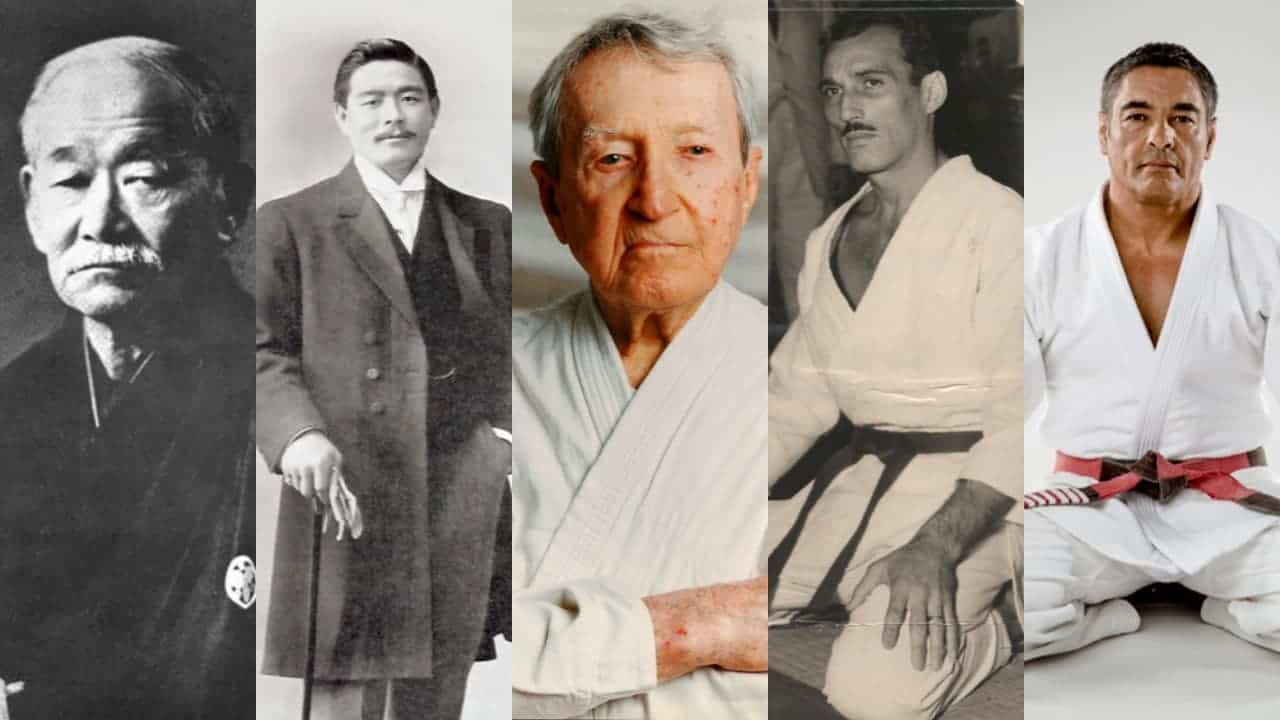
BJJ lineage refers to who awarded your BJJ belt and also shows how that belt can be traced back to the Gracie family, the founders of Brazilian Jiu-Jitsu. Lineage is a traditional concept in martial arts that illustrates loyalty to your teacher. In BJJ, it is a way to ensure that a person’s black belt is authentic.

Tracing someone’s lineage may seem confusing if they have had multiple instructors along their BJJ journey. However, lineage always refers to the instructor who awarded you your black belt. In the case of Gordon Ryan who is a very talented American submission grappler, both John Danaher and Garry Tonon are his instructors, but it was Tonon that awarded him his black belt.

Garry Tonon trained under Tom DeBlass, who trained under Ricardo Almeida. Almeida was Renzo Gracie’s very first black belt student. That being said, if Gordon Ryan was awarded his black belt by John Danaher, his belt would still hold authenticity because Danaher trained directly under Renzo Gracie.

Why it’s Important to Verify BJJ Black Belt

When you take a lesson from a black belt, you should be confident that you are receiving instruction from a knowledgeable qualified black belt. Unfortunately, this is not always the case. There are some people who will use the title of black belt without earning it simply to entice students to their dojo.

One example of this was the case of Jay Queiroz, a supposed black belt teaching out of a small dojo in the US. Queiroz released some basic instructional videos on his website, which caught the attention of black belt Mike Palladino.

Palladino noticed the poor technique and decided to confront Queiroz. This led to the discovery that Jay Queiroz never officially made it past his white belt. He had used several relocations to cover up the fact that he simply purchased his belts online, including his black belt.

Simple mistakes that were noted in Palladino’s exposure of Queiroz include single-leg takedowns on the wrong side and lack of control during an arm-bar. Queiroz also refused to roll with Palladino and would not give a straight answer when asked who gave him his black belt.

In comparison, Palladino is a black belt under Rafael Barbosa, whose lineage traces back to Carlson Gracie through Crézio de Souza and André Almeida. Not only has Palladino’s lineage provided him with the training to become a two-time Pan American BJJ medallist, but it also gave him the ability to identify poor technique in a fraudulent dojo.

This poor technique was being passed on to Queiroz’s students, which could then be passed on to other students if they chose to teach as well. Fraudulent dojos such as this, often referred to as ‘McDojos’, waste people’s money and stain the BJJ art by breeding poor technique. Here are some tips to help you spot a bad martial art school.

Why BJJ Lineage is Important

The example above demonstrates the importance of BJJ lineage. Not only does it ensure students are dedicating their time and money to proper and effective techniques, but it also means that the art of BJJ will not be degraded over time by incorrect teachings. 

A genuine black belt is considered a ‘Professor’ of the art and is deemed to have enough knowledge and skill to recognize and promote students when they are ready. Authentic lineage ensures the quality of these BJJ professors. Someone who has not gained an authentic black belt is likely to make inexperienced judgments.

When you look at world-class BJJ champions, you will see that they have received their black belt from world-class BJJ masters. For example, BJJ champion Marcus Almeida trained under Rodrigo Cavaca, who trained under Élcio Figueiredo, one of Carlson Gracie’s black belts.

Carlson Gracie was a ninth-degree black belt, earning him the title of ‘Master’ in the world of BJJ. The lineage that can be traced back to the Gracie family proves a black belt’s authenticity.

This is not to say black belts who have trained under a lesser-known master are not qualified to teach. Julio Cesar Pereira who is a highly regarded BJJ instructor, for example, has lineage that traces back to Luis França. Not many people know about França because he does not come from the lineage of the Gracie family.

However, Luis França was actually another of Mitsuyo Maeda’s pupils when Carlos Gracie was trained in Brazil. He learned all the same grappling techniques that Maeda taught Carlos Gracie, and therefore also went on to teach what became known as Brazilian Jiu-Jitsu to others.

Although Julio Cesar Pereira’s lineage does not trace back to the Gracie family, he has still learned the same techniques through the França lineage and is now a seventh-degree black belt himself. He is also an amazing coach, with his students winning 35 podium spots in the 2016 Jiu-Jitsu World Championship.

In saying that it is important to trace a black belt’s lineage to ensure it is reputable. This guarantees that quality BJJ techniques are being passed down through the generations.

Is Black Belt the Highest in Jiu Jitsu?

Black belts are the highest belts in BJJ. However, there are 10 degrees within the black belt system. Once you reach the seventh and eighth degree as a black belt, you are awarded a coral belt. If you continue on to your ninth or tenth degree as a black belt, you are awarded a red belt.

However, a coral or red belt is still classified as a black belt. These belts are still denoted as ‘seventh degree black belt’ or ‘eighth degree black belt’ for a coral belt, and ‘ninth degree black belt’ or ‘tenth degree black belt’ for a red belt.

Once you become a seventh-degree black belt, you are awarded the title of ‘Master’. Once you become a ninth-degree black belt, you are awarded the title of ‘Grandmaster’. Having a different belt allows people to clearly distinguish lower-degree black belts, known as ‘Professors’, from Masters and Grandmasters.

A standardized version of the BJJ belt system can be found on the IBJJF website (link here), but I have summarised this below.

Belt ColorIBJJF Minimum Time PeriodMinimum Age (years)
White BeltNone.
Blue BeltNo minimum (if < 18 years old)  2 years (if 18 years or older)16
Purple Belt2 years (if < 18 years old) 1.5 years (if 18 years or older)16
Brown Belt1 year18
Black Belt 1st-6th Degree3 years for each degree 19
Black Belt 7th degree (Coral Belt)7 years50
Black Belt 8th degree (Coral Belt)10 years57
Black Belt 9th degree (Red Belt)Undefined67
Black Belt 10th Degree (Red Belt)Awarded only to the founders of Brazilian Jiu-JitsuN/A

Therefore, the red belt is the highest rank in the BJJ belt system, but this is still technically a black belt. There are currently no living 10th-degree black belts, as this rank was only ever awarded to the original Gracie brothers, the founders of BJJ.

RECOMMENDED FOR YOU:
Karate Belt Ranking System – EASILY Explained For Beginners

How to Check BJJ Lineage?

Most BJJ practitioners are proud of their lineage and will know exactly how their training can be connected to the original Gracie brothers. Black belts will be able to quote who awarded them their black belt, allowing you to trace your instructor’s lineage.

There are some websites that can be helpful in tracing the lineage of an instructor, such as BJJ Heroes or Roll Junkie. Roll Junkie, in particular, has developed a lineage tree known as ‘The Maeda Project’. This simple program outlines the lineage of black belts stemming from Mitsuyo Maeda and Carlos Gracie.

If you know who trained and ranked your instructor, you should be able to find out who ranked that person and so on. Unfortunately, if you are finding it difficult to find information on the black belt that trained your instructor, they may have lied about their lineage or they may be so far removed from the original Gracie instructors that they only know a watered-down version of BJJ. 

Over many generations, BJJ technique is at risk of adopting subtle variations with each instructor, which eventually births a form of BJJ that is quite different to the original Gracie technique.

If your instructor is unable to give a clear answer as to who awarded them their black belt, or if they will not disclose that information, they may not be an authentic BJJ black belt. A fraudulent black belt will also usually produce underperforming students and will be apprehensive to roll with their students, as was the case with Jay Queiroz.

Related Video

Does Wrestling at an Early Age Stunt Your Growth?

0
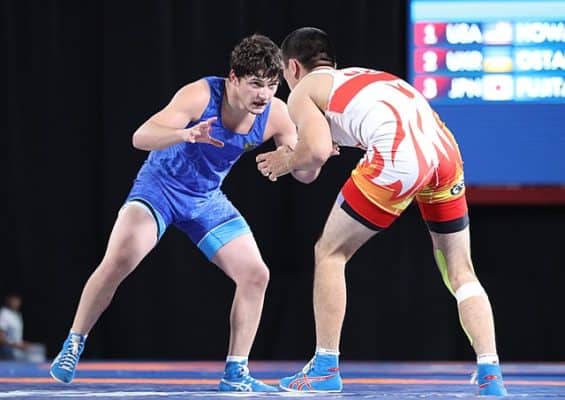
Photo by Sandro Halank

Wrestling is a growing sport and has become popular with young sports enthusiasts at high schools, colleges, and sports clubs. The Olympic sport has seen more and more people taking it up every year, however, due to being a contact sport, there are some concerns that wrestling may stunt the growth of young children. But is there any truth behind these concerns? 

Wrestling at an early age cannot stunt growth. Studies have shown that restricting calories for cutting into a lower weight class can stunt growth, however. If a healthy, nutritious diet is followed, wrestling, like any other sport, can have many physical, mental, and emotional health benefits.

This article will discuss the potential dangers in the sport of wrestling with regards to growth, such as weight cutting, as well as ways to avoid stunted growth in young wrestlers and the benefits of wrestling as a sport. 

What Are the Effects of Wrestling on the Body? 

The sport of wrestling dates back to prehistoric times and is the world’s oldest known sport. Today, it is one of the most common sports in which young athletes compete against each other and boasts over 50 disciplines. 

Wrestling is an intense anaerobic workout that requires strength, agility, and power, as well as mental fortitude. The sport places extreme levels of stress on the athlete’s arms, legs, knees, neck, and back and requires a rigorous training routine and a strict diet. 

Many children start wrestling as early as the age of eight, and while both doctors and early child development experts recommend young children to take up sports at an early age, there are some concerns that tough, physical sports like wrestling may stunt growth. 

Wrestling requires division by weight class, which can lead to athletes undergoing strict and restrictive diets to reduce their weight to drop a weight class. Research shows that a lack of proper nutrition and healthy foods significantly impacts growth among children, which, in turn, could harm their long-term health. 

Young athletes, particularly those going through puberty, need a sufficient supply of nutrients and vitamins to develop muscles, tissues, and bones and any nutritional deficits at this age can harm their physical development. 

Severe, prolonged dieting and restrictive calorie intake for children lead to malnutrition and can cause hormonal imbalances. This will negatively affect growth hormone production and the maturing reproductive system.

What Can Stunt Wrestlers’ Growth?

The main reason for wrestler’s growth becoming stunted is due to a poor diet and lack of proper nutrition. As mentioned before, the sport of wrestling requires division by weight class, and wrestlers, particularly young wrestlers, tend to severely restrict their food and caloric intake to fit into a lower weight class. 

Tall, strong wrestlers who can drop to a lower weight class due to weight loss may have a significant advantage over smaller competitors. 

Excessive or improper weight loss can result in various health problems including: 

  • stunted growth
  • heart problems
  • depression
  • increased risk of infectious disease
  • eating disorders

Poor nutrition and lack of enough calories can cause wrestlers to experience loss of strength and endurance, extreme fatigue, and slower reaction time both on and off the mat. Rapid weight loss and extreme calorific restriction can lead to heatstroke, heart failure, kidney failure, or death.

Other Negative Effects of Drastic Caloric Restriction in Wrestlers

Drastic dieting and calorie restriction can have several other negative effects on young athletes’ developing bodies in addition to stunted growth. According to medical writer Norman C. Hansen, restricted-calorie diets can also affect cognitive and social development in adolescents. 

It was also found that female wrestlers had a higher risk for irregular or painful periods, which is a sign of hormonal imbalances. 

Tall or Short? Does Size Matter in Wrestling? 

Wrestlers come in all shapes and sizes and height can be both helpful and detrimental in wrestling. Tall wrestlers have a lower center of gravity, more bone mass, and less brute strength than their short counterparts, however, they have a longer arm reach, which makes for an easier cradle.   

Tall wrestlers have an advantage over shorter wrestlers when executing moves like cradles, hip throws, and sprawls, however, shorter athletes may have a quicker reaction time.

RECOMMENDED FOR YOU:
How Much Does Height And Reach Matter In Combat Sports?

What Can Wrestlers Do to Avoid Stunted Growth? 

Eat a Well-Balanced, Nutritious Diet and Reduce Weight in a Healthy Way

Wrestlers can avoid experiencing stunted growth by eating a healthy and nutritious diet and healthily reducing weight. Junior high athletes and adolescents going through puberty and who are still growing should not participate in cutting weight to drop weight classes. High school and college wrestlers can attempt to reduce their weight in a healthy and well-maintained way.

Balanced Diet
Photo by Kiabatha

When reducing weight, athletes are advised not to lose more than 0.5% total body fat per week or 2% total body fat per month. Any more fat loss than this recommended range is considered unsafe. Athletes who lose more fat than this range can lose muscle mass.

During any period of weight loss, maintaining a healthy diet is essential. Athletes should eat a variety of foods from all the food groups and ensure they are consuming enough calories (energy) to support growth, daily, and sports activities. Hydration is also important during this time. 

Once athletes have reached their desired weight, it is important to maintain that weight as this causes a higher resting metabolic rate and keeps weight down. 

Learn to Wrestle Effectively in Different Weight Classes

Wrestlers can avoid having to take drastic measures to reduce their weight to drop a weight class by training in at least two different weight classes. Some of the weight classes in wrestling are relatively close together and wrestlers could train with fellow wrestlers in both weight classes. 

What are the Health Benefits of Wrestling? 

There are many physical and mental benefits to wrestling that far outweigh the potential negative consequences. Some of these benefits include: 

  • Better reflexes
  • Improved cardiovascular system
  • Increased strength
  • Good exercise
  • Mental, physical, emotional, and social benefits

Improved reflexes

In addition to strength and power, wrestling requires agility, flexibility, speed, and good reflexes. 

Improved Cardiovascular Systems

Wrestling is a fantastic form of cardiovascular exercise and works every muscle in the body, including the brain! It is a high-intensity activity that works up a sweat and improves heart health and the cardiovascular system.  

Increased Strength

Strength is at the core of wrestling and athletes need to work out in the gym and lift weights to increase strength, power, and endurance. 

Good Exercise

Wrestling is a great form of exercise and an increase in physical activity has numerous benefits from increasing heart and lung health to maintaining healthy levels of blood sugar and cholesterol. 

Mental, Emotional, and Social Benefits

Sports provide both physical and mental benefits, as well as emotional and social, and wrestling is no different. Wrestling teaches athletes to become disciplined and develop strong work ethics, think critically and strategically, and develop self-confidence and inner strength. It also teaches good sportsmanship and team-building skills and being part of a team improves communication and social skills. 

Final Thoughts

Many contact sports have the potential for injury or adverse effects later in life. Wrestling is one such sport in which stunted growth may occur in younger athletes due to drastic dieting and hormonal imbalances. However, these risks can be avoided by eating a well-balanced, nutritious and non-restrictive diet and learning to wrestle effectively in several different weight classes. 

Muay Thai vs. Boxing – Who Would Win and Differences Explained

0
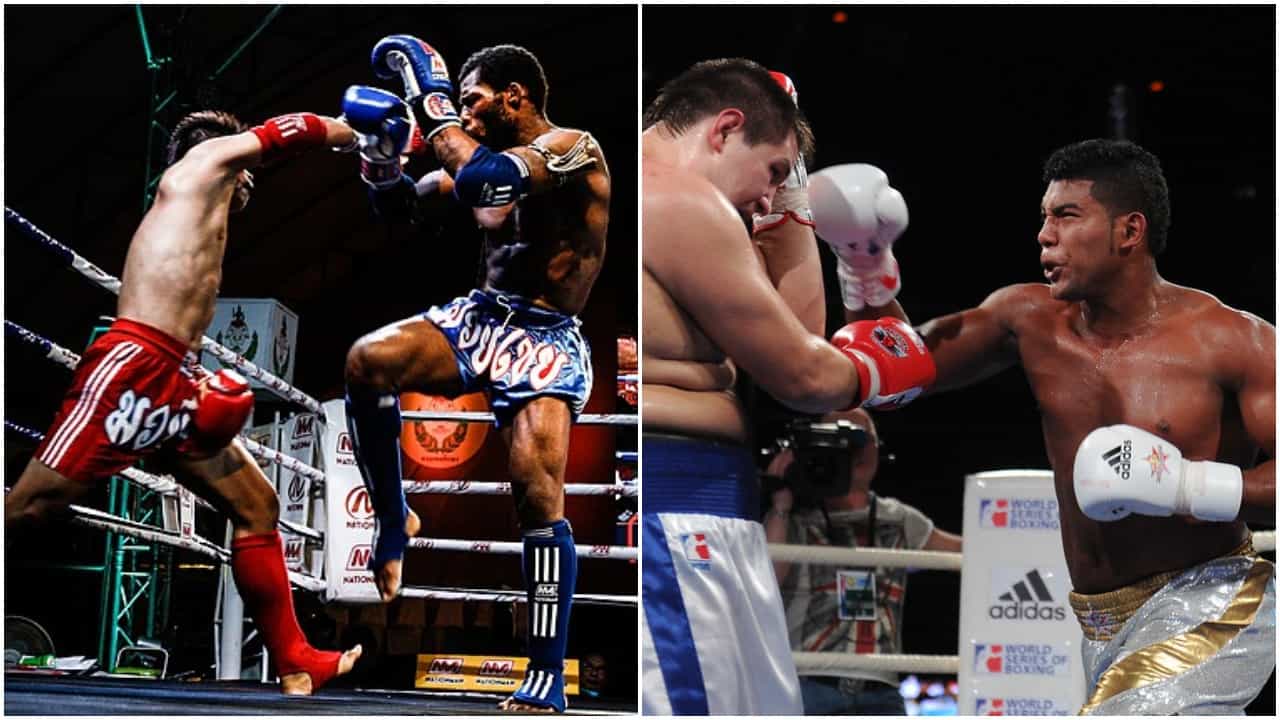
Photo by Gerrit Phil Baumann & WorldSeriesBoxing

When comparing Muay Thai vs Boxing, one of the most common questions aspiring martial art practitioners ask is the inevitable, “Would a Muay Thai fighter win against a boxer or vice versa?”

In an abstract way, Boxers and Muay Thai artists have sparred many times to determine who wins in a fight. Muay Thai artists can box but will rarely win a boxing match against a dedicated boxer. In a situation where kicks are allowed, the Muay Thai artist will have an advantage. 

There are many aspects that these two combat sports have in common, and just as many that they hold unique. Read on to take an in-depth look at Muay Thai, boxing, and how they relate to each other and why Muay Thai has advantage over boxing and their key differences.

The Main Differences Between Muay Thai and Boxing

While there are some fundamental similarities between boxing and Muay Thai, such as the focus on strikes and timed rounds of competition, they couldn’t be more different for practitioners. The primary difference, and the one most obvious to spectators, is that boxers only throw punches, while Muay Thai artists integrate punches, elbows, kicks, and knees. 

Beyond these apparent differences, these two disciplines have very different takes on several concepts that are fundamental to most martial arts. These include the fundamentals of hand positioning, hip positioning, stance, and equipment, further discussed below.

Hand Positioning

There is a reasonably large variety in terms of where the hands are positioned within each discipline, but there is little crossover between the two. Boxers need to hold their hands in a position that easily allows them to defend from punches directed at their head and torso. 

Conversely, most Muay Thai artists hold their hands closer to their face with their forearms angled toward their opponents. This positioning is designed to allow responses to the threat of elbows and head kicks which are often aimed at the chin or temple.

Hip Positioning

The positioning of a fighter’s hips is one of the most impactful differences between boxers and Muay Thai artists. Boxers use the lower half of their bodies for footwork and to add more force to their punches. This focus means that boxers angle their hip and back leg as much as 60-80 degrees behind them to allow for the famous bobbing and weaving that marks a skilled boxer.

Muay Thai artists keep themselves more or less square to their opponent, giving them the ability to launch kicks and knees from the bag leg with significant speed. Although the footwork used in boxing is universally effective within that sport, it would put a boxer’s legs at risk against kick and knee attacks in a direct matchup between the two martial arts.

Stance

The goal of the fighter’s stance in any martial art is to create the best possible defensive position for the practitioner while also keeping themselves ready for any attack they intend to make. Boxers need to avoid the many jabs, crosses, uppercuts, and hooks while maintaining balance enough to throw their own blows. This balance involves the feet being placed slightly farther than hip-width apart and the fighter’s weight evenly distributed between both of their legs.

Muay Thai artists keep their feet slightly closer together with that square stance mentioned above that allows speed and power from the rear leg. However, a Muay Thai artist will also keep marginally more weight on the back foot, allowing the front leg to block kicks from their opponent.

Equipment

Much of the gear between these two disciplines is the same, such as the hand wraps, gloves, mouthguard, and headgear. However, Muay Thai artists will also need to invest in shin guards to protect their legs. 

Initially, fighters can use Muay Thai and boxing gloves interchangeably, but weight class and sport regulations will require specific competition equipment.

Who Would Win in a Street Fight – Boxing or Muay Thai?

Both boxing and Muay Thai train fighters to be able to protect themselves and defeat an opponent. Nevertheless, Muay Thai artists would have a clear advantage in a street fight, but not because that discipline is a more effective fighting style. Boxing is a storied and historical discipline, but it is rooted deeply in competition and rules, and many aspects of boxing do not accommodate a situation without restrictions. 

In a boxing match between a Muay Thai artist and a boxer, the Muay Thai artist would not be allowed to use knees, elbows, or kicks, limiting their arsenal significantly. There are no rules to navigate in a street fight, and in a situation where these two disciplines met, the Muay Thai artist would be better equipped to defeat their opponent.

Ultimately it is vital to remember that street fights are inherently chaotic due to the infinite number of potential circumstances that could affect the winner and the loser. As such, it is impossible to state for sure that a Muay Thai artist will always win a street fight against a boxer, but it is slanted in their favor.

Are Muay Thai Fighters Good Boxers?

Although Muay Thai is referred to as Thai boxing, there are so many differences between the two sports that they cannot be directly compared to one another in most instances. An enormous part of boxing training revolves around not getting hit. Muay Thai artists are trained to block and trade blows rather than ducking and weaving around them as boxers do, and the focus on grappling or clinching takes away from that evasive ideal.

When comparing boxing and Muay Thai, it is vital to remember that boxers need to be extraordinarily evasive because they focus on striking their opponent’s head. Muay Thai artists condition their bodies to endure attacks, and they are capable of delivering staggering blows that have been known to break bones. However, no amount of conditioning can improve a fighter’s ability to take blows to the head. When a Muay Thai artist adheres to boxing rules, they are unlikely to keep pace with a more dodge-focused boxer.

Despite this difference, there are instances of Muay Thai artists beating professional boxers in competitions, such as the famous Muay Thai artist Saenchai’s impressive string of wins from 2002-2004. Ultimately, just as a boxer would suffer drawbacks if they attempted to compete in a Muay Thai event and adhere to that ruleset, a Muay Thai artist is at a disadvantage when competing under boxing restrictions.

Are Muay Thai and Boxing Punches the Same

Ever since Muay Thai became popular in the western part of the world, it and boxing have been compared to each other. Since that introduction to the rest of the world, coupled with the increased crossover of various martial arts thanks to the UFC, Muay Thai has borrowed numerous techniques from boxing, especially when it comes to punches. However, despite those borrowed techniques, numerous differences exist between a punch from a Muay Thai artist and a boxer.

Most punches from a Muay Thai fighter will be from a longer distance rather than close up. Traditional boxing involves using long strikes but also short and compact punching combos to overwhelm their opponent. In Muay Thai, if fighters get into the same range as boxers do, they are more likely to use elbow techniques or get into the clinch, which is most effective at that range.

Unlike in boxing, a Muay Thai punch does not involve that much pivoting. This difference is notable because the pivot allows boxers to achieve the devastating power they attack with. Muay Thai fighters are always prepared to defend from lower body attacks, which a pivot can be susceptible to. Another somewhat imperceptible difference is that Muay Thai fighters will turn their knuckles inward when delivering a hook, unlike the vertical position that traditional boxers maintain. 

Since there is so much crossover between martial arts at a competitive level in today’s environment, there will inevitably be many exceptions to these differentiators. As fighters continue to develop mixed-martial-arts techniques, they will borrow the most effective means of doing something from whichever discipline provides it to them. This development means that the differences between certain aspects of Muay Thai and boxing may blur together as time goes on.

Which Discipline is Harder to Learn?

While there are many arguments to be made for both boxing and Muay Thai in terms of which discipline is more challenging to learn, the general consensus is that Muay Thai is the more difficult martial art to learn. 

Muay Thai is called the Art of Eight Limbs due to utilizing the striking points of feed, hands, knees, and elbows. Not only do practitioners need to learn how to deliver attacks from each of these points of contact, but they also need to be able to defend against them as well.

Muay Thai also involves the concept of clinching, which is a grappling technique that fighters engage in when they get into extremely close range against each other. This technique must be mastered along with all of the other elements of Muay Thai to be successful. 

While boxers undergo enormous training to learn how to punch effectively, they must focus on their footwork and cardiovascular ability as well. Boxers can learn their martial art more quickly because there are fewer distinct techniques to learn, but there is enormous potential to master them as they develop their skills.

The first six months of boxing training focuses on punching and footwork, which gives newcomers the ability to hone down on these particular techniques and build a good foundation. The first six months of Muay Thai Training will also focus on fundamentals, but each of those six months will likely involve learning entirely new things, which slows down the learning process.

Putting time into either martial art will be rewarding, but Muay Thai is undoubtedly the more challenging one to learn in the first place.

RECOMMENDED FOR YOU:
Why Is Boxing Called The Sweet Science? – Ultimate Answers

Which One is Better for Self Defense?

Muay Thai, boxing, and most martial arts are perfect for learning self-defense techniques, and the difference comes down to personal preference in most cases. As mentioned above, it is easier to get to a level of competence more quickly through boxing, and boxing is an excellent technique to have ready to end a fight quickly while both combatants are still standing.

Conversely, Muay Thai prepares its practitioners for strikes from not only the fists but also kicks, knees, and elbows. Most real-world self-defense situations will likely not require this capability, but it is vital if an opponent is skilled in that form of attack. The range that kicks from Muay Thai provides and the efficacy of the clinch in close range means that it is a more practical self-defense technique in the long run. 

It is undoubtedly faster to train in boxing and be capable of self-defense through those techniques. Still, Muay Thai will provide more comprehensive and adaptable defenses in the long term, and the choice of which is more effective for self-defense comes down to the practitioner in that situation

Boxing vs. Muay Thai – Which One is Safer to Learn?

The dangers of most combat sports are well documented, but none more so than boxing. In the long history of boxing, there have been 923 fatal injuries from the year 1890-2007, which is very high compared to its contemporaries. Although MMA (Muay Thai) is considered a hazardous sport, it does not have the same level of documented deaths that boxing does.

Although Muay Thai uses many strikes and its practitioners are trained to endure hits and return them when the moment is right, it is actually safer than boxing because there is less focus on the head. Injuries are inevitable in any form of combat sport, but Muay Thai fighters are significantly less likely to suffer life-threatening injuries despite its well-earned violent reputation. 

Many studies have reviewed the potential for life-altering brain injuries that comes from boxing, and innumerable retired professional boxers have discussed the dangers that being repeatedly struck in the head presents. Unfortunately, the risks that boxing presents do not end when the fighter leaves the ring. While many of the injuries sustained in martial arts and other combat sports can be healed, there is significant evidence that suggests boxers suffer from many long-term health issues.

One of the most common is a Traumatic Brain Injury (TBI), commonly referred to as a concussion. This can be damaging enough on its own, as concussions represent the immediate damage being done to the brain as a result of an impact. However, the more significant concern is that of a chronic TBI, which is a neurodegenerative disease that may present years after the initial injury. 

Although TBIs and chronic TBIs are not as common at the amateur level as they are at the professional echelon, it is worth considering if you intend to study the art of boxing. While some safety measures are being implemented at a professional level by different organizations, there are still many unknown aspects of these long-term health effects, and any amateurs interested in learning boxing should be aware and take necessary precautions themselves.

Which One is Right for You?

Deciding between learning boxing and Muay Thai is a decision that comes down to personal preference and how well it suits your martial arts goals. Take all of the above information into account, watch videos of these two disciplines being showcased, and think about what will be right for you.

In terms of the techniques and training involved, Muay Thai encompasses your entire body and teaches how to gain an advantage in any combat situation. It can function as an exercise routine, a mental discipline, and a martial art simultaneously, and it conditions its practitioners’ bodies to undergo enormous stress. If your goal is to perfect a combative sport and gain all the numerous benefits for training in this discipline, Muay Thai may be right for you.

If you instead are interested in a more popular and potentially lucrative sport, boxing may be the correct choice for you instead. While boxing may not have the same focus on using your entire body as a weapon, it still teaches the most effective way to throw a punch and avoid taking one in return and is a well-respected discipline. If you intend to go down the path of boxing, ensure that you take proper precautions and spar carefully to avoid the potential dangers of this head-focused sport.

RECOMMENDED FOR YOU:
What are the Different Styles of Kickboxing? Simply Explained

The Final Round

While the subject of who wins between boxers and Muay Thai artists will likely endure for as long as the two disciplines themselves, the bottom line is that any martial art will be beneficial in life going forward. Both Muay Thai and boxing have countless advantages for learning their techniques, and many professionals of either discipline are well versed in numerous others as well. Remember that learning one martial art does not mean that you can’t pick up others as you go through life. 

How Dangerous is MMA Fighting? Here’s a Closer Look

0
Photo by BagoGames
Photo by BagoGames

Although Mixed Martial Arts(MMA) is a very popular sport, there are people who still see it as too brutal and violent. But, how dangerous MMA fighting actually is?  

MMA fighting is dangerous in spite of being a sport. Its primary goal, unlike most other sports, is to inflict bodily pain on the opponent to win the bout. For this reason, the risk of suffering an injury during an MMA match is really high.

That being said, fighters can and will do anything to hurt their opponent or knock them out using the techniques that are within the rules of the sport.

Keep reading this article to find out more about the risks of MMA, what are the most common injuries, and is it safer than other sports like boxing or football. 

Is MMA Training Dangerous? 

MMA training is not dangerous and you don’t have to worry too much about injures. Of course, this also depends between the schools as some gyms put more focus on safety than some others. But overall, the risk of getting hurt is really low in MMA training, and here is why.

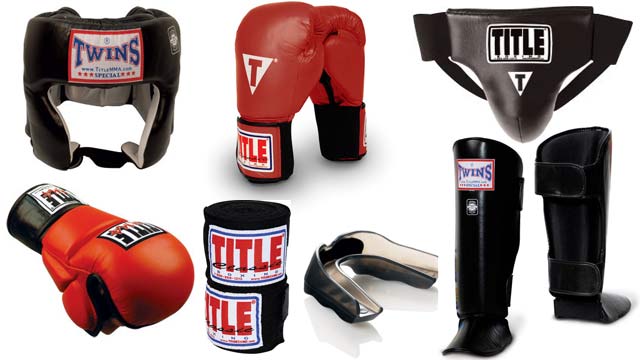
First of all, the number one priority in all good MMA gyms is on safety and keeping the injury rate low. Students must wear the following protective gears while they are sparring or doing drills where they are exchanging strikes:

  • Full-padded boxing gloves
  • Shin pads to protect the legs
  • Headgear
  • Mouthpiece
  • Groin cup (optional)

When students are trading strikes in training, for instance, they throw with 50% or less power. This is because the focus is on learning how to carry out the techniques, not on hurting the training partner. It’s really hard to suffer any injury if you are doing things this way.

MMA training gets even safer if we move to the grappling aspect of the sport. Rolling on the mats in BJJ classes is very safe because it doesn’t include any striking. If the partner catches you in an armbar or rear-naked choke, for instance, you just need to tap out to get out of it and avoid any injuries.

The thing is, MMA training differs a lot from the pro fights you watch on TV that may look brutal. You won’t go through those types of brutal fights in training, not even close. You can end up with few bruises on your body now and then after a couple of rounds of sparring. But these “injuries” are a part of every other sport, not just MMA.

Is Competing in MMA Dangerous?

Yes, fighting in MMA matches is dangerous just as in any other combat sport out there like boxing or Muay Thai. It differs a lot from training since the goal is to hurt the opponent as much and as fast as possible. Pro MMA fighters throw each punch or kick with violent intention to knock the opponent out cold. And they are also much more aggressive during the grappling as well.

Photo by Vladyslav Lohvin

In fact, the risk of suffering an injury during an MMA match is really high. Scientists at “Phys Sportmed” did a really good and detailed study on the rate of injuries in MMA. They used UFC injury reports from “Nevada State Athletic Commission” ringside physicians.

From 2016 to 2018, they recorded 291 musculoskeletal and head injuries in 285 fights. The most common injuries reported were head injuries (67%), followed by upper limb injuries that were higher among females (40%) than in males (14%). But, on the other side, lower limb injuries were higher among men (19%) than among females (5%). The results clearly show that the risk of injuries is really high in MMA fighting.

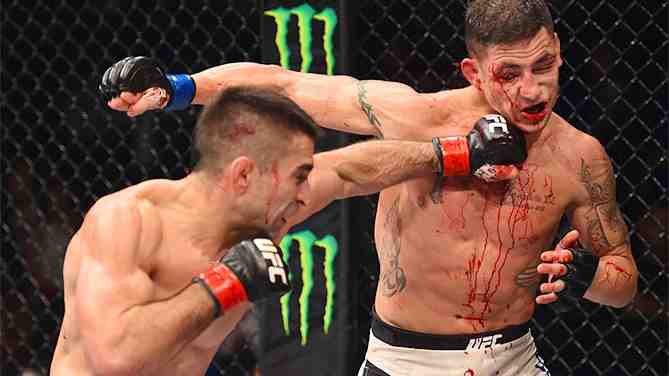
Unlike in training, fighters don’t wear any gear apart from a pair of 4 OZ MMA gloves. They don’t have to think much about safety as long as the techniques they are using are within the rules of MMA. Once the cage doors close, they use violent kicks, punches, knees, and elbow strikes to do damage. These strikes often lead to deep cuts, broken bones, brutal KOs that lead to concussions, and even brain damage in the long run.

What are the Most Common Injuries in MMA Fighting?

The UFC’s “Performance Institute” did a study on how often and what type of injuries fighters suffer in training and while competing. They did this by collecting all the injury reports from the training camps and UFC events.

Out of all injuries recorded, fighters suffer 77% of them in a fight, 10% in training, and 12% during the other activities.

The data shows that strikes cause most injuries during the training and UFC fights. Out of all injuries covered by UFC PI, head and face make up over 75% of fight injuries. Still, these injuries are not that serious and fighters can quickly recover from them in most cases. But grappling and takedowns often lead to more serious injuries and fighters take, on average, from 112 days to 129 days to recover.

Here is a list of body areas that suffer the most during MMA fighting, and the most common injuries:


1. Head/face(77.8%)

Fighters suffer most head and face injuries from receiving hard strikes like punches, elbows, and kicks to the face. The most common ones are:

  • Fractures (broken nose, orbital bone, or jaw)
  • Facial abrasions
  • Deep cuts
  • Concussions

2. Wrist and hands (19.5%)

Most common wrist and hand injuries happen when fighters are throwing strikes or grappling on the ground:

  • Torn muscles
  • Joint dislocation
  • Fractures

3. Knee injuries (15.6%)

The knee joint suffers a lot every time an MMA fighter steps on the mats in training or enters a cage to compete. Certain joint locks like “kneebar” can also cause serious knee injuries like:

  • Patella dislocation
  • Torn Meniscus
  • Torn ACL 
  • Torn PCL

4. Feet (10.7%)

One of the ways fighters can hurt their feet is by landing a kick with their foot. This can lead to:

  • Ankle sprains
  • Fractures
  • Contusions

5. Shoulders(9.7%)

Shoulder injuries in MMA are quite common and often happen during grappling exchanges. For instance, joint locks that often lead to shoulder injuries are armbar and kimura:

  • Anterior shoulder dislocation
  • Rotator cuff tear
  • Pectoralis major tear

6. Lower leg-(5.3%)

Leg kicks play a big role in MMA when it comes to injuries like:

  • Fractures
  • Lacerations
  • Abrasions

7. Elbow- (4.8%)

Most elbow injuries in MMA happen during the grappling exchanges. Some arm locks like the armbar often lead to elbow injuries like:

  • Sprain of the ligaments
  • Tendinitis
  • Bursitis

Is MMA More Dangerous than Football?

Both football and MMA are sports that carry a lot of risks when it comes to injuries and brain traumas. For instance, the data shows that brain injuries occur in 23.6% of MMA fighters, while in NFL, that number is 25% according to their data. Still, this is just the tip of the iceberg as we are talking about two separate sports.

But there have been a couple of fighters who came into MMA after playing football in college and even played for NFL teams. UFC fighters Eryk Anders and Ovince St. Preux both played football before MMA, and they both think MMA is a safer sport  than football when it comes to brain traumas and here is why. 

When MMA fighters suffer a KO in a match or even in sparring, they must go through a concussion protocol. Once that’s done, fighters get a time off or medical suspension that can go up to 6 months. They use this time away from the sport to heal their bodies and recover from concussions the right way. They can also go back and train in the gym to work on the heavy bag, hit the pads, but they won’t do hard sparring.

In football, on the other side, players get knocked out unconscious all the time. According to one data, collisions in a single football match have a similar force to 62 car crashes. But in the words of Anders and OSP, players don’t take a time off to recover every single time they get a concussion. No, they just play through it. Their head and bodies continue to absorb hard hits in training, and even harder in a match each Sunday.

This increases the risk of brain damage since players don’t have enough time to recover from concussions.

Is MMA More Dangerous than Boxing?

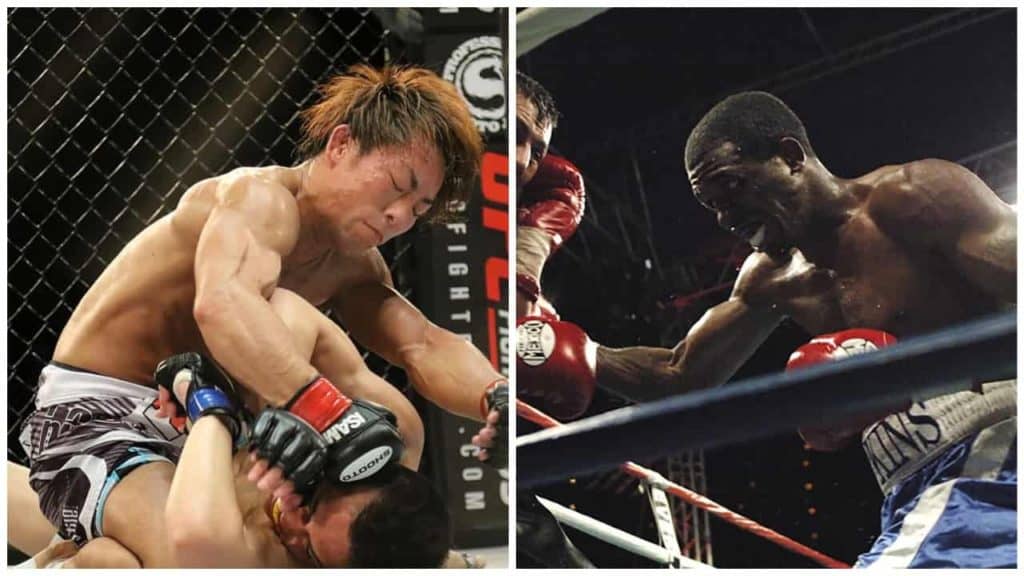
The short answer is no, MMA is not more dangerous than boxing. If we look at the data, MMA fighting causes much more injuries than boxing. But in most cases, these are not the injuries that will affect your health in the long run. Since MMA fighters use all limbs to do damage, we see a lot of facial cuts, broken fingers, noses, and orbital bones. Boxing, on the other side, leads to more severe injuries like concussions due to repeated blows to the head area.

Researchers at the “University of Alberta” did a detailed study on injuries in both MMA and boxing. They used post-fight medical reports from 1,181 MMA fighters and 550 boxers that fought from 2003 to 2013. The study showed that the injury rate in MMA (59.4%) was much higher than in boxing (49.8%). But the study also showed that boxers suffer more knockouts (7.1%) than MMA fighters (4.2%).

Reasons why Boxing is more dangerous than MMA:

  • Boxers use just their hands to strike above the waist only which means boxers are receiving far more head strikes. MMA fighters receive less as the sport is more versatile and includes kicks, clinch, grappling and ground fighting.
  • Boxers wear full padded gloves that are much bigger than the ones in MMA. This means they can throw punches with full power without thinking much about hurting their hands.
  • Boxing fights are longer as they include 36 minutes of action. This is a lot more than in MMA where non-title bouts are 15 minutes or 25 minutes if the title is on the line.
  • When a boxer gets knocked down, he/she has 10 seconds to recover and continue to fight. This means that a boxer can suffer a concussion and continue on fighting which can lead to CTE in the long run. In MMA, it’s really hard to recover from a knockdown as the action doesn’t stop. If a fighter suffers a hard knockdown and goes down face first, the referee will instantly stop the fight. 

Has Anyone Died in an MMA Fight?

Over the years, there have been a couple of deaths in MMA matches. But, we must say that not a single fighter has died while fighting for a big promotion like the UFC or Bellator. As of April 2019, there have been seven deaths in sanctioned MMA bouts and nine deaths in unregulated fights. Here are all seven deaths that happened in MMA and the causes of these tragic losses:

  • Sam Vasquez— was the first American fighter to die in an MMA match. He died on October 20, 2007, shortly after suffering a heavy KO loss against Vince Libardi. The cause of his death was a “Subdural hemorrhage” caused by the repeated strikes to the head.
  • Michael Kirkhan– died two days after suffering a TKO loss in his pro-MMA debut at “King MMA” in 2010. The cause of his death was “subarachnoid hemorrhage”.
  • Tyrone Mims– died on August 11, 2012, shortly after losing consciousness in the second round while fighting in an amateur MMA match. The cause of his death is still a mystery as the autopsy didn’t show any signs of brain trauma, heart disease, or the presence of alcohol and drugs.
  • Booto Guylain– died on March 5, 2014, after suffering a head injury in the third round at “EFC Africa”. He died due to the swelling and bleeding of the brain due to the repeated strikes he received in a fight.
  • Donshay White– died on July 16, 2017 moments after losing his amateur fight against Ricky Muse. The autopsy revealed that White suffered from high blood pressure but was not taking medication.
  • Rondel Clark– died on August 12, 2017, while competing at the “Cage Titans XXXV” event. In the third round, Clark was too fatigued to continue fighting which forced the referee to stop the fight. He died three days later in the hospital due to dehydration caused by the extreme weight cutting.
  • Mateus Fernandes– died on March 30, 2019, after suffering a KO loss against Obed Pereira at the “Remulus Fight” event. He suffered four heart attacks in the hospital caused by the drugs he took the night before the bout.

Do MMA Fighters Get Brain Damage?

MMA is a sport in which fighters have a high chance of getting brain damage. In their careers, they receive a lot of hits to the head while both training and competing. The years of fighting, being hit too hard and knocked out can affect the brain and lead to permanent damage. 

One study has shown that around 23.6% of MMA fighters suffered from a brain injury. But, this also depends on how long they have been fighting, and how much damage they have taken over the course of their careers. The longer they compete, the more likely they are going to suffer from brain damage in the end.

One of the most common brain traumas associated with combat sports is “CTE (Chronic Traumatic Encephalopathy)”. This type of brain disease is associated with traumatic brain injuries (TBI). MMA fighters can get TBI from concussions or by receiving hard strikes to the head. Once this type of brain injury develops into CTE brain trauma, fighters experience symptoms like:

  • Memory loss
  • Depression
  • Confusion
  • Aggression

But, the long-term effects of MMA fighting and how it affects the brain is still unknown. MMA is still a young sport and we are yet to see scientists coming up with more studies on brain damage and traumas like CTE.