Home Blog Page 46

10 Best Tips For Jiu-jitsu Beginners To Improve Faster

0
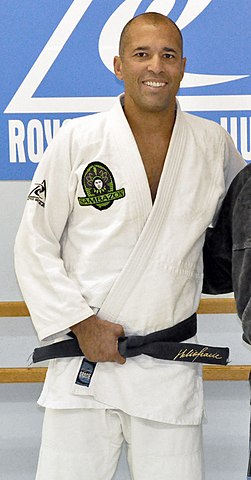
Royce Gracie(Credit:MartialArtsNomad.com)
Royce Gracie(Credit: MartialArtsNomads.com via Flickr)

It’s a workout. It’s movement art. It’s a community. It’s respect.

Brazilian Jiu-jitsu is all of the above and so much more. In my years of practicing this martial art, I’ve had the joy of witnessing scores of people come to jiu-jitsu with as many different motivations. I have been through that steep learning curve and watched others deal with similar issues: starting from nothing, slowly improving my skills, loving the sport and finally, reaching this point here where I believe sharing my struggles can help you get past yours.

Perhaps the most common question I get from beginners is, “How do I advance out of the beginner’s white belt faster?”

While there is no one-size-fits-all answer, I’ve compiled 10 of my best tips for BJJ beginners so you can improve faster than when I first started. Also the following information can help you if you aren’t getting better at BJJ as a beginner: 

(10) Good Coaching

Nothing replaces an experienced, knowledgeable teacher. A good teacher should have no reservations discussing their jiu-jitsu lineage, credentials and belt level. There should be positive word-of-mouth reviews. Classes should be conducted in a professional manner. Students should emerge from classes having learned something.

Most importantly, a good teacher communicates and demonstrates concepts appropriately. As a beginner, you will not benefit from learning the most advanced chokes and pins; rather, you’ll need to put in the time for drills and practice. A good teacher will identify level-appropriate exercises and allow the space and opportunity for practice until you’ve mastered them. Your teacher should be able to see where you’re struggling with the techniques and provide cues to work past your blind spots and weak points.

If you’re struggling with many of the concepts in your class, you may consider booking a one-on-one session with your coach. It may be worth the extra dollars to get your coach’s undivided attention for individual corrections and small adjustments. A good coach will have a discerning eye to how to help you improve.

(9) Mindset Matters

No matter your background, walk into every jiu-jitsu class with respect and humility. I find that the slowest learners are those who believe their background in another martial art gives them the right to skip steps and learn techniques beyond their ability. Approach BJJ with an open mind; let go of what you think is a “correct” move, even if it appears very similar to what you’ve learned elsewhere.

Allow your teacher to show you the specifics of the technique and learn it! You will progress through the techniques faster if you commit yourself to learning the stylistics of BJJ.

I find that the best jiu-jitsu practitioners approach every session with the same humility they came in with as a beginner. There is a lesson to be learned with every sparring match, every class, every drill. Stay open to learning, and you’ll continually improve no matter the color of your belt.

(8) Skill over Strength

As a beginner, we often muscle our way into a move–for instance, when locked in Arm Bar position, many beginners will attempt a bicep curl to escape. And for those of us who are strong enough, we may even succeed. However, not only is this method energy inefficient but it is also completely ineffective against a more highly skilled practitioner.

The beauty of Brazilian Jiu-jitsu is that with the correct identification of momentum and centre of gravity in your opponent, and your correct application of technique, you can escape without using brute force. After all, BJJ is nicknamed “the gentle art.” Strive to decrease the use of force.

Start looking for where your opponent is placing his weight and where his momentum is going. The practice of using your opponent’s momentum against him takes skill and repetition, both of which I personally am still working on, but it is the best and most sustainable way to practice this martial art.

Try developing your own coordination and body awareness. These skills are essential in knowing where your opponent’s energy is going and where you may decide to place yours. Observing more experienced practitioners, you may also notice they are not mindlessly executing skill after skill. Instead, they are strategically choosing which skills will help them gain the upper hand over their opponent–it’s a puzzle, and the more experience you have, the better equipped you’ll be to solve the puzzle.

(7) Take a Day Off

You may have heard of the importance of recovery–and it cannot be stressed enough! Too many beginners start improving their skills quickly and get addicted to training nearly every day. This, however, is a recipe for injury and burnout.

Without appropriate time for sleep, rest and good quality food, the body’s ability to recover from the previous day’s training will decline. Most beginners do very well with 3 days a week of training, with rest days between.

Besides the physical effects, the mind needs time to integrate the information acquired in the sessions before its ready to take on new skills. Beware of treating this martial art like collecting trophies, accumulating one skill after another in a semblance of advancement.

Truly advanced practitioners need to have complete mastery over the basics as well as experience using all their techniques with different opponents in varying scenarios. You may be able to get away with learning many skills quickly, but without adequate time for practice, recovery and truly understanding, you won’t be able to appropriately use them.

For a few genetically gifted individuals, daily training or even multiple sessions in one day still build towards incredible gains. However, these cases are the exception not the rule. Listen to your body for signs of overtraining: fatigue, decreased performance in the gym, low mood, increased number of colds, and many more. Give yourself a guilt-free day of rest regularly through the months. You will advance far more quickly if you don’t burn out right at the beginning!

(6) Stay Consistent

While overtraining is a serious concern (especially for those particularly passionate practitioners), so is undertraining. Like any skill, beginners need to incorporate regular episodes of training and practice into their routines.

For instance, consider a baby learning to walk: how far would the baby go if he gave up the first 3 times he fell down? Or if he only tried to walk only once every 2 weeks? Instead, it’s the consistent and patient effort that brings success. Schedule and prepare for your jiu-jitsu sessions as you would anything else important to you. The only way of advancing past that white belt is showing up for class consistently.

(5) Befriend Your Weakness

As a beginner, you’ll naturally gravitate towards the moves you’re good at and away from the techniques you find difficult. Often, I see beginners sparring with only their favorite techniques, even in situations where a different technique would serve them better.

Let go of your attachment to your favorite moves and learn your weakness. If you find yourself repeatedly locked a triangle choke, learn the counter move and practice it, regardless if it gives you the win or not. In the bigger picture, you’ll only advance in BJJ when you have a solid foundation in both your strengths and your weaknesses.

(4) Just Relax

As I’ve mentioned before, BJJ is dubbed “the gentle art” for its ability to use the force of the opponent against him. Beginners often use too much strength and assume they are winded because of a lack of cardiovascular health. Of course, this may be the case for some, but it isn’t the whole story.

As you roll with your classmates, you’ll see that conserving energy and relaxing into the movement will allow you to keep moving for longer. I often see students gripping their opponent’s lapels with all their strength, burning their energy out needlessly. Identify where you may be tense and minimize spending that excess energy. Relax.

When it comes to submissions, relaxing into the technique is incredibly important as to not only preserve your energy, but to keep your training partners safe. If your technique is sound, you should not need to exert all your strength in a submission in order to get the tap out

(3) Practice on your Own

In a number of studies, researchers have found improvements in physical skill performance after a visualization exercise. For example, sports psychologist Judd Biasiotto wanted to improve the free-throw accuracy of basketball players. Participants were split into 3 groups: one that practiced for an hour every day, one that visualized making free throws and one that did none of these. As expected, by the end of the study, the group that did nothing gained no improvements. However, the group that practiced and the group that visualized practicing both improved to nearly the same 24%. 

Now, it’s plausible that we could apply those same principles to the practice of jiu-jitsu. We know that the physical practice will confer improvements, so I highly recommend BJJ drilling.

Drills like Shrimping and Bridging are at the core of fluidity in sparring. Quickly mastering core drills like these will allow you to learn various BJJ techniques even faster since most are extensions of these simple drills.

In the case that you do not have the space to practice these drills, Biasiotto’s study has shown that there may be benefit in simply running through the drills in your mind. So set the stage for yourself. Close your eyes and as vividly as you can, picture yourself moving through the drill, how it feels, what it looks like, where you progress next.

Practice the drills in your mind as though you would practice them in your body. Who knows! You may see some improvement in your next training session.

If you thought BJJ drilling is not that important to improve your BJJ skills, you need to read Why Am I Not Getting Better at BJJ? – Drilling Is the Key. You will learn that your lack of BJJ drilling might be the reason why you aren’t getting better at BJJ.

(2) Spar with Who’s Better than You

We all crave the comfort zone, the techniques we prefer, the corner of the gym where the conditions are just right, the partners we like. However, the comfort zone is just that–comfort, not challenge. To improve in this sport, surround yourself with practitioners who are more experienced. Spar with bodies of different strengths, sizes and skill sets.

When you’re pitted up against an unfamiliar opponent, you’ll be challenged to use different techniques to combat their strengths and physical differences. You’ll begin to train the resilience and flexibility of expert practitioners.

Of course, when you stray outside of your rank, you will encounter opponents whose skills far outweigh yours. Here’s where it’s helpful to understand what you can control and what you cannot. You are only responsible for approaching the match with courage, a positive attitude, and a strong effort. Learn as much as you can from the match–even ask your opponent after the match for pointers!–and leave the rest.

The outcome of an unequal match is not within your control. Let yourself lose the match without feeling like a failure, because with every failure you’ll gain another piece of knowledge that may prevent a future failure. Every match is a lesson, if you are willing to learn it!

(1) Repeat Until You Have Learned

It doesn’t get simpler than this: repetition. Your body needs to do the movements in order to know the movements. Don’t be afraid to tell your teacher that you need more practice in one technique before you’re ready for the next. Don’t be afraid to revisit the basics when you haven’t done them in a while. Repeat the exercises until it almost feels as though your body could do it in your sleep. For this, there is absolutely no shortcut.

For many beginners, repetition will feel endless and brain-numbingly boring. Let go of that boredom and cultivate the drive and discipline for practice. It doesn’t become muscle memory until you drill it into muscle memory. Build the mental strength to push past your blockages, and repeat!

At the end of the day, advancing out of that beginner’s white belt may feel impossible but it is attainable to those who want it. I’ve seen many beginners grow impatient and quit before they could even improve. Others only come to the sport because of its growing popularity in mass media, and drop out when they face their first challenge. In this, there’s no magic pill. There is no short cut. The rewards of hard work, however, are worth every drop of blood, sweat and tears. Take it from me, the struggle is long, but the results are gold.

10 MMA Fighters Who Didn’t Live Up To Their Great Hype

0
Ben Asken(Credit MMAnytt via Wikimedia Commons)
Image Credit: Bad intentionz via Wikimedia Commons

Editor’s note: The views and opinions expressed below are those of the author and do not necessarily reflect the views of mmachannel.com, its affiliates and sponsors.

Mixed martial arts (MMA) is the most complex combat sport and it takes more than talent to succeed in it. In its short history, we have seen many talented fighters who have shown great potential at the start but failed to deliver in the most important fights of their careers.  

Whether it’s a lack of confidence and aggression or simply bad luck, there could be a million reasons why some fighters failed in expressing their full potential. We can all recall at least one such a fighter of whom we have all thought is going to succeed in MMA but he/she ended up having an average career. 

By no means am I suggesting that they are bad fighters, but some of them have had terrific MMA careers and amazing records which lead people to expect more from them. But despite their prior success, they just didn’t live up to their great hype when it mattered the most. I will show you who they are in the below.

10. Sage “Super Sage” Northcutt

Sage Northcutt (Image Credit:Rocky Balboa 222222)

Sage came in as a product of the UFC’s highly promoted “Dana White: Looking for a fight” show. Apart from being a very talented fighter, Sage was very athletic, and he had all the great skills on paper. 

He was explosive, good-looking, built like a bodybuilder and he moved like a video game character. Also, fans quickly fell in love with him since his fighting style was very exciting. He did all kinds of fancy kicks and flips that made people believe in the hype around him. 

Before signing with the UFC, Northcutt ran through each of his rivals, and it looked like the UFC just signed a potential superstar. But the “Super Sage” was in for a rough ride. 

After scoring two impressive victories, Northcutt got choked out by Bryan Barberena. He then bounced back with the win over Enrique Marin just to lose with a submission once again against Mickey Gall. Despite winning the next three fights against the average competition, it was clear Northcutt was not ready for the top yet. 

Surprisingly, UFC released him in 2019. This was shocking considering how much they’ve invested into promoting Sage’s career. Sage went on to join ONE FC and got brutally knocked out in his debut.

9. Uriah Hall 

Uriah Hall (Credit: U.S. Marines)

Uriah Hall is perhaps the best example of an amazing talent who simply couldn’t find his way to the top. When you watch his fights, Hall looked like a total MMA package. He was very athletic, agile, and his striking skills were off the charts. On paper, he was a complete fighter and many have thought he was the Anderson Silva’s successor. 

In 2013, Hall managed to put together some violent finishes on the “Ultimate Fighter Show” and secure the contract with the UFC. He was so dominant on the show that even Chael Sonnen looked at him as a middleweight contender. 

Hall kicked off his UFC career with a couple of outstanding performances. He proved the hype was real with the impressive TKO victory over very skilled Gegard Mousasi. But, his success was short-lived as he went on to lose the next three fights, including the rematch against Mousasi. 

Despite showing great skills at the start, the lack of consistency cost Hall a greater career. Although he was a perfect fighter on paper, Hall always had a hard time dealing with elite competition.

Nobody knows what caused Hall to rapidly decline and lose momentum. Many fans thought the lack of aggressiveness contributed to his fall. Whatever the cause may be, it’s a shame that he never unleashed the full potential.

8. Erick Silva

Silva entered the UFC as perhaps the biggest welterweight prospect in Brazil at the time and the Jungle FC champion. For many, Silva was a whole MMA package and he had all it takes to become a superstar. He was young, good looking and his style was very exciting. 

As a black belt in Judo and BJJ, Silva was an exceptional grappler. Also, he wasn’t afraid of trading punches in the pocket either. We all believed he had the skills to deal with the best UFC welterweights at the time.

He kicked off his UFC career with a couple of stunning finishes. But, it quickly became obvious that Silva would not live up to the hype. He never managed to go on a notable win streak and climb through the rankings. 

Instead, most of his UFC victories were against lower-level competition. Whenever he faced a notable name, Silva would get destroyed and forced back to the drawing board. So instead of working his way towards the top, Silva spent the entire UFC career as a gatekeeper and a proving ground for the upcoming talents.

He left the UFC in 2017 with a record of 8-10.

7.  Yoshihiro Akiyama

Yoshihiro Akiyama(Credit: Pabian via Wikimedia Commons)

Akiyama entered the UFC with a stellar record of 12-1 (2) and this was one of the most anticipated debuts of 2009. The hype behind his arrival was unreal since he was a huge celebrity in his homeland as a professional singer and male model. 

But make no mistakes about him, he was a great fighter. As a 3rd-degree black belt in Judo, his grappling skills were second to none. Also, his standup skills were decent and he had a lot of power in his hands. 

So, the UFC was more than happy to sign such a star. In fact, Akiyama’s first fight was given the royal treatment. He got the spot at the main card of the memorable UFC 100, the biggest event in the company’s history. This on its own was a clear sign that both the UFC and the fans have had high expectations. 

Akiyama scored a perfect debut by edging Alan Belcher in a split decision. Straight away, the UFC began putting a lot of resources in promoting Akiyama. But by everyone’s shock, his UFC journey ended up as a massive disappointment. 

He went on a terrible four fight losing streak and he left the UFC with a record of 1-5. Clearly, the UFC’s elite competition was too much for the Japanese superstar.

6. Hector Lombard 

Hector Lombard(Credit: Xtremelabels via Wikimedia Commons)

People tend to forget about the huge hype behind Lombard’s arrival into the UFC. At the time, Lombard was the Bellator champ and on an amazing 24 fight winning streak. 

Despite being a black belt in BJJ and a former Judo Olympian, Lombard was largely known as a knockout artist. His standup skills were very good and he used this mix of great power and explosiveness to put many people to sleep. Plus, he was built like a tank and was perhaps the most athletic MMA fighter at the time. 

His UFC start was a mix of split decision losses and impressive KO victories. But the KO losses to Neil Magny and aged Dan Henderson were a clear sign Lombard would not succeed in UFC. The shift to the Welterweight division didn’t help him either. 

Overall, we can say that Lombard’s UFC career ended up being a huge disaster. He retired from the sport with an amazingly bad UFC record of 3 wins and 8 losses. That’s not the run many fans expected to see from Lombard. 

The thing is, Lombard was already 38 years old when everything started to fall apart. Thus, he was way out of his prime and he battled with many injuries. Also, it’s worth mentioning that his career took a dive right after the Josh Burkman fight where he got caught for using anabolic steroids. 

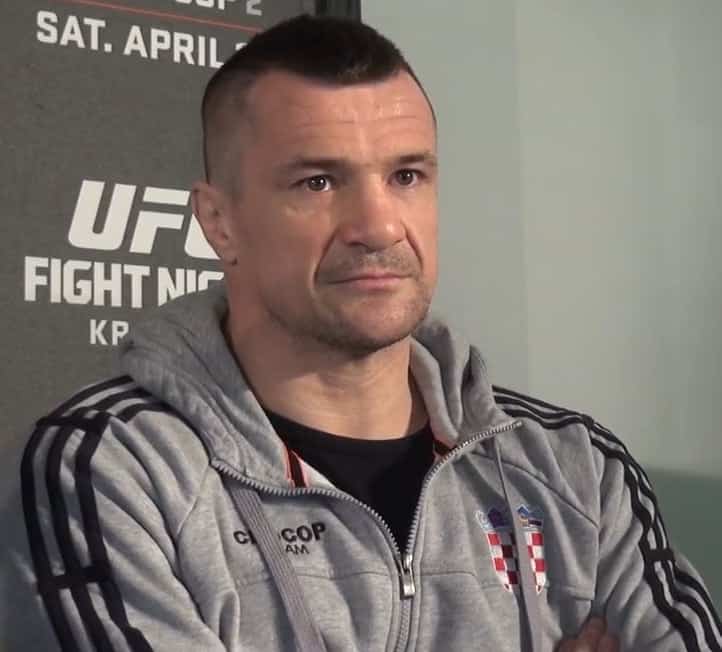
5. Mirko Cro Cop 

Mirko Crocop(Credit: KRK.TV via Wikimedia Commons)

It’s really puzzling what happened to Crocop. At the time, UFC was more than happy to sign Crocop as he was simply a wrecking machine. He came in as a Pride FC champion and people expected him to dominate the Heavyweight division. 

As a former K-1 champion, Crocop was by far the best standup fighter at the time. His left high kick was out of this world and he used this weapon to put many Pride legends to sleep. 

Rightfully, the UFC fans expected to see nothing but high kick KO’s from Crocop. And it all started well for the Croatian fighter. In his debut fight, he smashed Eddie Sanchez inside the first round, and the hype got even bigger. 

Then, he faced the upcoming Gabriel Gonzaga in the title eliminator bout. What supposed to be considered a tune-up fight for Crocop turned out to be an absolute nightmare. Gonzaga knocked out Crocop with one of the most brutal head kick finishes in MMA history. 

After that loss, Crocop wasn’t the same fighter, and he was never able to show UFC fans what he was capable of. In his defense, he was out of his prime when he started competing in the US. He left his best days and fights in Pride FC.

4. Gilbert “El Nino” Melendez

Gilbert Melendez(Credit:Michael Dunn via Wikimedia Commons)

It’s fair to say that Gilbert Melendez is synonymous with fighters who didn’t live up to their potentials. He joined the UFC as a two-time Strikeforce champion and a former WEC champion. He holds many records in both of these organizations, and many fans were happy to see him signing with the UFC.

In his prime, “El Nino” was a force to be reckoned with. He was a very technical striker and his boxing skills were among the best at the time. Also, he was a very formidable grappler who earned his black belt in BJJ under the legendary Cesar Gracie. 

The hype around him was so big that he instantly jumped into the UFC Lightweight title fight against Benson Henderson. Despite putting on a very good performance, Melendez lost a split decision.

He quickly bounced back by winning a brutal war against Diego Sanchez. However, this was the last time he would get his hand raised inside the cage.

For whatever reason, his career took a dive, and he went on a terrible five-fight losing streak. The fans couldn’t believe the most dominant champion in Strikeforce history could end the UFC journey with one of the worst records of 1-6.

3. Ben Askren

Ben Asken(Credit MMAnytt via Wikimedia Commons)

People were expecting a lot from Askren since there was much talk about his arrival. At the time, he was dominating in the ONE FC promotion and people wanted to see whether he could do the same in the UFC. As a highly decorated wrestler, he certainly had the skills to do so.

What he also had were great trash talking skills. Despite being a ONE FC star, Askren seized every opportunity to trash talk UFC fighters and hype up his arrival to the UFC. He even called out GSP, and people even saw Askren as a legit threat to the GSP’s legacy.

In reality, however, he was nearly knocked out by Robbie Lawler in his UFC debut. But he somehow barely managed to survive the early storm and win via bulldog choke. Many fans thought Askren wasn’t performing at his best in that fight. And we all assumed he would find his rhythm and look better in the following fights. 

The real answer came in the next bout against Jorge Masvidal where Askren ended up being a victim of the fastest KO in UFC history (5s). Some people thought Masvidal got lucky. But the loss in his next fight against Demian Maia clearly revealed Askren’s lack of championship skills. 

Despite handling both of these losses well in the media, it was clear that Askren couldn’t continue moving forward. The hype train was destroyed in pieces and it took down Askren’s UFC career with it.

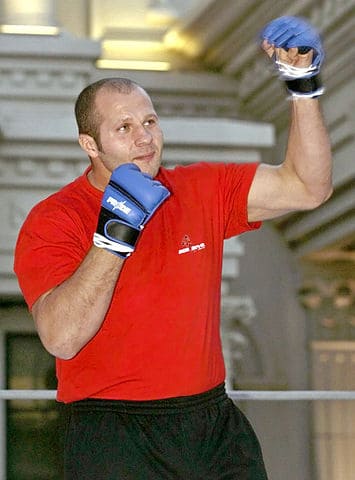
2. Fedor Emelianenko 

Fedor Emelianenko(Credit Larry Burton via Wikimedia Commons)

This may not sound right to many people but just try to remember how disappointed we have all been when Fedor started fighting in the US. We have all thought Fedor would walk through all the western promotions, including the UFC. 

Fedor came into the Strikeforce promotion as the greatest Pride fighter and the most intimidating man on the planet. After years of negotiations, he finally signed a contract to face the best fighters in the US at the time. Many fans actually believed the heavyweight fighters in the US were far below the competition Fedor faced in Pride FC. 

It all started well for the Russian with the TKO win over Bret Rogers. But Fedor’s 27 fight winning streak would come to an end in his next fight against Fabricio Werdum. Werdum managed to pull one of the biggest upsets in history by submitting Fedor in the opening minute. 

Somehow, Fedor was not the same fighter after that defeat. He uncharacteristically followed up with two more losses, and the era of Fedor’s domination was officially over. 

He did have some success in the U.S. but that small success was nowhere near what he had achieved in Pride FC where he fought the best of the best at the time. Some people think he failed because he’s not used to fighting in the cage. But we doubt that Fedor would allow such a thing to stop him from winning and performing at his best. Whatever the reason may be, we were all disappointed to see him going down like that.

1. Lee Murray

Many MMA fans who knew Murray back in the early days of UFC are still asking the same question: How far would he have gone if he wasn’t sentenced to prison? This is the question that still haunts many MMA fans.

At the time, he was a rising star and he had that unique personality to generate huge attention around him. We feel confident going further and saying that there was Lee Murray long before there was even Conor McGregor. Lee Murray was a ruthless fighter who truly feared no man. You can read more about his interview in the following link where he says he’s the real Notorious.

He backed up all his talking with great standup skills and very fast hands. He even went toe-to-toe with arguably the greatest standup fighter in MMA history, Anderson Silva. But most of the old MMA fans know him by the story where Murray allegedly knocked out Tito Ortiz in a street fight. According to witnesses, Murray knocked out Ortiz in front of a nightclub in London. What’s more, Matt Hughes, and Pat Miletich actually confirmed this was a true story. The story like this elevated Murray’s hype so much bigger than ever before during that time. As a result, there was a talk that Murray was very interested in fighting Tito Ortiz in UFC when Ortiz was at the peak of his career prime.

Murray was a wild man both inside and outside the cage. But above all, he was a very talented fighter with the big potential to conquer the world of MMA. Sadly, his MMA career was cut short due to his troubles with the law. He ended up in prison before he really started his UFC journey. Unlike the other fighters in this list, Murray’s case is unique in that he failed himself for a chance to live up to his great hype just when he looked like he was going to be a huge name in UFC.

10 Tips To Spot Bad Martial Art Schools For Beginners

0

Editor’s note: The views and opinions expressed below are those of the author and do not necessarily reflect the views of mmachannel.com, its affiliates and sponsors.

There’s an increasing demand for martial arts classes due to the mainstream rise of MMA. Martial arts business is booming and we can see new schools opening on every corner. 

But, as in any business, you have good and bad products and services. So martial arts schools are no exception. As we know, when there’s money involved, there’s a risk of dishonest people trying to scam you. 

That said, not every gym offers the same learning and overall quality experience. As we are about to see in this article, many factors separate good gyms from the bad ones. In martial arts community, bad schools are also known as McDojo’s and it’s not that hard to spot one if you know what to look out for. 

If you are about to start martial art class as a beginner, you should know what I’m about to tell you because it will help you spot signs of a bad school so that you can make the right choice in choosing the best martial art school.

10. The main Instructor is not there as Advertised

Many schools are advertising their classes as the best since the famous coach is leading the classes. So, it’s normal for you to expect to see the same famous coach teaching the classes. But in a lot of gyms, the reality is a bit different. 

Once you join the school, you may see that the “famous” instructor is there once a week or much less. This is because he/she is usually teaching in many schools around the town. While they are going from one school to the other every other day, their “certified” assistances are actually teaching. In other words, this is misleading.

An increasing number of schools use this type of misleading advertisement to attract more students from schools in different locations with the same famous instructor implied as head instructor. This doesn’t mean the school is bad but it’s clearly misleading. Logically, most people are expecting to see the famous coach be there every day and teaching when they sign up. 

To prevent this from happening to you, make sure to gather all the information about the school before joining the classes. If you see this type of advertisement, be cautious. You must ask how often the main instructor actually teaches in the class.

If you ask me, I personally won’t sign up at all since this is a huge alarm for me that something is not right. I would move forward and look for another gym where the main instructor is there at least most of the time.

9. Additional Fees (Hidden fees) 

Some of the martial art schools advertisements are not completely transparent about the fees they are charging. Thus, don’t be surprised if you arrive at the school and see that the amount you have to pay is higher than the one in the advertisement.

When you arrive at the school, they might not tell you about hidden fees at first. But when you are about to sign up and pay, they will request additional fees. For this reason, make sure to ask if there are any additional fees before you sign up.

Some of these schools might try to charge you for administrative fees, yearly fees or other similar things. Since these extra fees are often not mentioned in the advertisement or on their website, you should be extra cautious. 

Like in any business, they are using creative ways to collect more cash out of your pocket and this is perhaps the most common one. 

In many schools, some fees might be legit if they are optional such as exercise equipment fees. As long as these are optional, there’s nothing wrong with it. But there is a big difference in paying to use their service and paying extra fees they insist for.

8. Automatic Withdrawal

Giving your bank account to those you don’t know well increases the chance of accidental withdrawal.

I have heard stories, where the schools have withdrawn the money from the student’s account long after they left the school. What’s more, these students had a hard time trying to recover their hard earned money and stop schools from withdrawing the money again. 

I personally have not run into any school that insists on setting up automatic bank withdrawal. But if you run into this, then you don’t need any other reason to leave the facility and train somewhere else. 

This might be ok if the school gives you an option to pay with cash, card or set up the automatic payment. If you do decide to set up automatic payments, make sure you have some type of banking protection from accidental withdrawal. But under any circumstances, they should not insist on setting up the automatic bank withdrawal payment.

7. Questionable Credentials

There is nothing worse than training with a teacher who pretends to be a martial arts expert.  Many instructors proudly mention their past accomplishments such as winning a big world tournament or former champion to imply that they are experts in their profession.  But you can’t always take their words at face value.

If an instructor can’t prove their martial art background, stay away from that school. You should be able to verify their accomplishments when you search it online etc. You can go here to verify your BJJ instructor’s black belt if it’s certified. Learning from a certified BJJ black belt is much more important than you think. For this reason, read the full report on why it’s important to verify BJJ black belts.

As is usual, good coaches have a lot of combat experience and some type of accomplishments that make them credible to teach other people. 

Even if the school looks professional, don’t let this overwhelm you. A good school doesn’t necessarily need to look new and has the most expensive equipment. Sometimes, they try to hide the lack of integrity with a professional look. State of the art equipment doesn’t mean a thing without a skilled instructor who knows how to teach other people

6. The Lack of Hygiene In The School

The lack of hygiene is synonymous with bad schools. Dirty mats could lead to many serious infectious diseases. A good martial art school should care about the student’s health. They must clean and disinfect the mats on a daily basis. 

MMA or BJJ training includes a lot of close contact between the students. It’s fair to say they come in contact with mats more than other martial arts training. During the sessions, people sweat, bleed and contaminate on the mats. 

Also, I have seen some martial arts schools that are regularly cleaning the mats but their bathroom is filthy. A good school must maintain high hygiene in every corner of the school and there is no argument about that.  

If you step on the mats and see they are dirty and not disinfected, avoid that school before it’s too late. It’s a clear sign that they do not care about the safety of their students. 

5. Making You Buy Their Gears 

Some martial art schools insist on buying their gear and equipment like Gi or boxing gloves. They will offer you various stuff such as Gi that can cost you hundreds of dollars. But you may find the same or similar Gi in the online market for a much better price and there’s nothing wrong with it

But in some bad schools, they refuse your wish to bring your own gear and train in it. This is a clear sign they are only interested in squeezing more money out of you and they clearly don’t care about your financial situation. 

You need to have an option to buy the gears either from the school or in some other store on the market. Why would you buy the equipment at school when you have an option to find it much cheaper on Amazon or other stores? 

What’s more, there’s no difference between expensive and cheap gear when it comes to beginners. The only difference is it saves you a lot of money and the school should not insist on buying their gears. 

4. Fast Track Promises

If someone offers you a quick road towards the black belt or gives you any other unrealistic promises, be sure that it is a bad school. A black belt is more than a piece of cloth and you have to earn it. It represents a journey of the martial artist, his dedication and sacrifice. Thus, you can’t buy such a thing. 

Just like in college, a student must put a lot of effort and prove that he/she is worthy of getting that degree. 

If the instructor says you can earn a black belt in a short time span, you are at a bad school. We even heard there are schools with the “Guaranteed Black Belt” signs at the front doors. 

Also, if you see plenty of black belts walking around the gym, that should raise your suspicion if those black belts are actually legit. The requirements for promotion through the belt ranking system are probably very low. 

The same stands for the combat styles that do not include the belt ranking system. In MMA for instance, we sometimes hear about the schools that “guarantee” you a spot in the UFC. If they give you such a promise, ask them about the fighters they have produced and fought in UFC.

3. Instructor Not Sparring With Students

If you notice the head instructor is never sparring with the students, this might be a sign they are maybe scared to reveal their true skills which are probably very bad. Of course, we can understand this if the instructor is old or has some health issues. But other than that, there’s no reason why the instructor wouldn’t spar in the classes. 

The instructor’s main task is to teach the classes and sometimes spar with the students. In my school, for example, we can sometimes see the main instructor sparring with the best students and presenting great martial arts skills. In some way, this reminds us that he is a legit martial artist and that we are in good hands.

If the instructor is young and healthy and never spars, there’s a good chance he/she is hiding the lack of skills. You won’t learn much from this type of person, so you make sure to not waste your money on their classes.

2. Asking You To Sign A Contract

Some martial arts schools insist on signing a long term contract which obligates you to stay in that school for the next year or more. Usually, longer contracts include lower monthly fees and the month-to-month may be more expensive. But if the school tries to convince you to sign a contract instead of explaining why you should join them, don’t waste time going any further. 

Like some other things, this one also must be optional. Every school has to offer you an option to sign a month to month deal. Forcing beginners to sign long term contracts is absolutely pointless and everyone should avoid signing with this school. 

There are many reasons why singing such a contract is bad. For instance, if a student wants to leave the school and train somewhere else, they are still legally obligated to pay off the remaining months under the signed contract term. Thus you are far better off signing up for monthly membership so you are not obligated to stay long term nor be financially obligated should you decide to leave the school.

Thus make sure to watch out for this type of legal contract and avoid schools that are insisting on signing them.

1. Bullies In The Classes

The moment you see a senior student berating a newcomer, be sure to pack your bag and search for another school. Bullying in the classes denies everything martial arts stand for.

The best schools include a high level of discipline and respect between the students. Instead of feeding your ego, martial arts schools are places in which we all look to support and help each other. That should be the fundamental base for any school.

It all begins with the instructor’s authority and their ability to keep all in order and discipline. When you see a bully inside the gym, be sure that it is entirely the instructor’s fault. He shouldn’t allow that type of behavior to even exist inside the gym. To avoid this, ask for free trial classes so you can observe the atmosphere of the class to see if you are comfortable learning there. Do not just assume that all martial art classes are any different than a hostile work environment.

I mean, martial art schools are places in which you learn how to defend against bullies, not to learn how to become one.

Many of the well-known MMA fighters have been bullied in the past and they have overcome by learning martial arts. You can read about these top MMA fighters who were bullied.

10 Most Influential MMA Fighters In History That Are Forgotten

0
Randy Couture (Credit: Gage Skidmore via Flickr)

Throughout its history, we have seen many MMA fighters changing the face of the game. Like in any sport, every generation has its own hero; a man responsible for bringing the sport to another level. 

The following is a list of fighters who are directly responsible for shaping the modern MMA we know today. Unfortunately, their contributions have been forgotten by many modern MMA fans

If it wasn’t for their attitude and unique fighting skills, MMA would never become what it is today. Now, let’s look at who were these fighters and why are they most influential. 

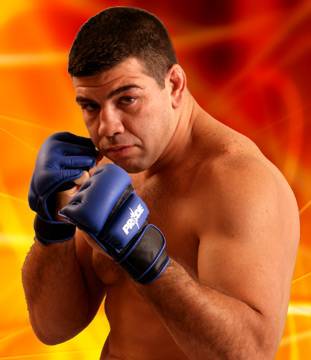
10. Pedro Rizzo 

Rizzo was a very skilled kickboxer and one of the most influential MMA pioneers. He had shown us how to properly utilize the leg kicks in MMA fights. At the time, many fighters were not familiar with how to defend against kickboxing techniques such as leg kicks. Thus, many of Rizzo’s rivals were victims of his hard low kicks. 

In his long career, Rizzo dealt with the best of the best fighters in the world. He holds notable victories over the legends like Dan Severn, Andrei Arlovski, and Ken Shamrock. 

Inside the cage, his kicking technique was also very effective against the wrestlers who tried to take Rizzo down. He was a master at landing hard low kicks to shin area and limiting the movements of his rivals. No matter how big the opponent was, they just couldn’t stay in front of him for too long. 

The perfect example is his second UFC fight in which he faced Mark Coleman at UFC 18. Rizzo executed a perfect game plan by using the low kicks to keep Coleman at distance and stop him from scoring a takedown. Nowadays, low kicks are one of the main techniques of every UFC fighter’s game because what Pedro Rizzo had shown us.

9. Tito Ortiz

Tito Ortiz (credit: Migle Media TV via Wikimedia Commons)

Tito’s contribution to MMA is unrelated to the actual fighting inside the cage. He is largely known as the first bad guy who played that villain role so well. 

Early into his MMA career, Tito figured out that you need to play the WWE role in MMA. This way, you can promote yourself above others and enjoy the privileged status. 

It’s fair to say that Tito was one of the first fighters to bring that type of entertainment factor into MMA. During the press conferences, Tito didn’t hold back verbally attacking his rivals and showboating. He was a very polarizing person. Plus he played that villain role perfectly. I mean, his trash talk leading up to his fight against Ken Shamrock was pure gold.

As a result, you either liked him or not. But from the business point of view, he was a gold mine. Tito garnered much attention and was able to bring tons of new fans into the UFC and sell more PPV fights. 

In some manner, Conor McGregor is Tito’s successor. They both have that unique ability to create a massive hype and deliver inside the cage with the spectacular finishes. Tito was a UFC Champion who backed his talk with his ferocious ground game. 

8. Lyoto Machida 

Lyoto Machida (credit:Marcos Joel Reis – Wikimedia Commons)

In the early days, many traditional styles proved worthless inside the MMA cage. But, Machida made sure that Karate won’t fall under that category. He showed traditional arts like karate can be very useful in MMA. Moreover, Machida went on to become the UFC champ due to his Karate fighting style.

He was always using his great footwork and lateral movement to stay out of the range. He preferred to quickly close the distance from the outside, and land with high precision and power. While holding his hands low, Machida was always using the low center of gravity to quickly close the distance and escape the dangers. 

Thus, he has many great finishes on his record. But the most memorable were the ones in which he knocked his rivals out with brutal Karate front kicks. He managed to execute this kick against Randy Couture and Vitor Belfort. 

His Karate style has influenced many modern MMA stars to come in and test their skills inside the cage. In modern MMA, most famous Karatekas are Stephen Thompson and George St. Pierre.

7. Bas Rutten

Bas Rutten By Michael Dunn via Wikimedia Commons

For many people, Bas Rutten is the pioneer of striking in MMA and a forgotten MMA legend by many. His unique style changed how standup fights should be fought in MMA. 

Bas started out as a traditional martial artist by mastering Taekwondo and Karate. He was the first one who saw the need for adding other combat styles to his game such as boxing and Muay Thai. That’s why Bas was ahead of its time. 

His striking style was a blend of different combat arts. Whether kicking or punching, Bas didn’t depend on one type of striking style. From Karate palm strike to boxing punch in MMA fights, Bas was one of the first to use different combat styles as one style in MMA. 

Bas is synonymous with the famous liver shot. All through his entire career, a liver shot was Rutten’s favorite weapon and he popularized its use in MMA. At the time, he was by far the most skilled standup fighter.

Rutten was also the first standup fighter to dominate in the Asian “Pancrase” MMA promotion. His blend of various striking styles was a pure mystery at the time. For instance, he emphasized the wider stance facing the rival in MMA instead of a traditional boxing stance used at the time. 

Bear in mind that during the 90s, fighters were mostly specialized in a single martial art. But Rutten was, in fact, one of the first well-rounded fighters because his standup skills were based around various styles. 

6. Anderson Silva 

Anderson Silva via Wikimedia Commons

Anderson Silva showed the world how agility can be a great tool in MMA. He had unusual agility that allowed him to avoid just about every attack. He would allow his rivals to step into his range and he used agility to catch them with vicious counter combinations. 

In his prime, Silva was an incredible striker as well. He could move in and out very fast and strike from awkward angles. Plus, great agility enabled him to avoid every strike and any dangers inside the cage. 

Even the strong wrestlers couldn’t do much against Silva. What’s more, He never had great defensive wrestling skills. But he relied on his agility to quickly avoid the takedown and keep the fight standing. So, most wrestlers had to fight under Anderson’s terms and conditions. 

Many fighters try to mimic his style, but it’s very difficult to achieve Silva’s type of agility and timing. 

At the time, fighters used to only focus on strength in terms of physical fitness. There was not much emphasis on agility training. But Silva has changed all of this. Fighters now realize there actually needs to be a separate training devoted to improving agility since it allows a fighter to move faster and better. 

5. Randy Couture

Randy Couture (credit: Mark Richardson via Flickr)

Randy was a brilliant fight strategist. He treated fighting like a game of war where one must have a plan to deal with various situations in a fight. 

At the time, many fighters used to go into a fight with pure instincts and without any thoughtful plan whatsoever. But Randy showed you must have a smart plan for each fight. He studied his rivals and tried to figure out their game and how he can win. 

He was well aware of his own strengths and weaknesses. So, he always made the game plans around his strengths while minimizing his weaknesses. 

When Couture fought new and upcoming Brandon Vera, aging Randy wasn’t supposed to win. He clearly lacked athletic ability to match against Vera. But Couture had a great game plan. Despite being a controversial victory, Randy controlled Vera throughout the fight by clinching and scoring takedowns. He totally neutralized Vera’s movement in that fight. 

As boring as this may have seemed, it was a perfect game plan to defeat such a dangerous fighter like Vera.

Rather than going with pure fighting instincts, Randy always had a great game plan that brought him many great victories as seen against Vera. He showed the combination of great skills and smart strategy could bring more success in MMA fights. 

He was always able to stay away from receiving much damage and dominate the fight by fighting smarter. That’s why he was able to stay competitive even in his 40s.

Today you see that just about every fighter follows their strategies in their fight just like Randy emphasized.  Instead of fighting with instincts, every modern fighter must have a game plan in order to succeed in MMA.

4. Mark Coleman 

Image credit:twitter@Markcolemanmma

Mark Coleman is a true MMA pioneer and many consider him to be the godfather of ground and pound technique. In the late 90s, Coleman showed the world how effective wrestlers can be on the ground. 

He was a former NCAA Division I wrestling champion (1988) and three times Pan American wrestling champion.

With such a background, Coleman was able to score takedowns against any fighter back then. He used his superb takedown skills to wipe out any threat on the feet and secure top position. But instead of holding them on the bottom, Coleman would posture up and land vicious strikes. 

At the time, many wrestlers were afraid of taking down the BJJ specialist due to their submission skills from the guard position. But Coleman changed this paradigm by using his wrestling abilities to secure the top position over a BJJ fighter and smother them with a barrage of punches. As a result, most of his BJJ rivals were totally destroyed on the ground by this revolutionary ground and pound technique.

He had an impact on other collegiate wrestlers to join MMA and dominate BJJ fighters in MMA fights. To a certain degree, Coleman gave a blueprint for how wrestlers can dominate MMA.

3. Pat Miletich 

Pat Miletich (Source:Wikimedia Commons)

Pat Miletich was a great UFC fighter and champion, but his influence has a different story. As a very smart and innovative person, Miletich changed the way fighters train. 

In 1997 he opened the “Miletich Fighting Systems aka MFS” training facility. At the time, MFS was highly advanced and one of the first super camps. It was a camp in which fighters can learn all aspects of MMA. 

Despite being a wrestler, Miletich saw the need to create a camp, so the fighters from various styles can train under one roof. At the time, wrestlers would train with wrestlers, and the same was for every style. To master other techniques, fighters needed to travel to other gyms. Thus, MFS was a revolutionary solution and one of the original MMA academies that allowed the fighters to learn all aspects of MMA in a single gym. 

Over the years, MFS has trained over 90 elite fighters. The camp also produced some pretty successful champions like Matt Hughes, Robbie Lawler, Jens Pulver, and Tim Sylvia. 

When it comes to training systems and methods, Pat Miletich is by far the most influential MMA person. If it wasn’t for him, the big gyms of today like Greg Jackson and the American Top Team wouldn’t exist in the same form. 

2. George St. Pierre 

George St. Pierre (Credit: scienceduck via Flickr)

GSP is one of the greatest UFC fighters and truly the most complete fighter in the history of MMA. He is one of those god-gifted fighters who could be great in many martial arts. In MMA, GSP showed the importance of the rounded game. 

When GSP lost against Hughes via submission, he improved his BJJ skills with vows never to lose again in a submission. He never had any issues in his BJJ game after that fight and he even won a rematch against Hughes. 

The same thing happened against Matt Serra. When GSP lost to Serra via hard TKO, he instantly shifted his focus on improving striking skills. As a result, he came as a much better striker in the rematch against Serra and he defeated him via TKO.

GSP started as a Karate fighter and he never competed in amateur wrestling. But he went on to become a high-level wrestler and a true takedown artist in MMA. Throughout his entire career, he never stopped improving his game by sticking only with what he does the best. 

Today, every fighter must be good in all aspects of fighting. Fighters no longer focus mainly on one skillset of fighting. GSP influenced many fighters to really do try to be complete fighters and prepare for every fighting scenario. 

1. Royce Gracie

Royce Gracie (Credit:Peter Gordon via Wikimedia Commons)

Without a doubt, Royce Gracie is the biggest influencer in MMA history. He introduced the Brazilian jiu-jitsu to the world at UFC 1 and proved it is the most effective style. On that stage, Gracie at just 175 pounds beat the guys who weighed more than 240 pounds. 

In fact, Gracie went on to win three of the first four UFC tournaments. He showed that BJJ as a single art could work against any other style in MMA. During his UFC run, he defeated specialists from other styles like boxing and wrestling.

Basically, he submitted anyone UFC had put in front of him and no-one knew how to defend his attacks. People were confused that such a small guy can use this grappling technique to defeat much bigger opponents.

There have been many influential fighters, but Royce’s influence runs far deeper. He showed the world that being undersized doesn’t mean you can’t compete and be a top fighter. Right from the first UFC event, the world became aware of the importance of ground fighting techniques. 

Despite the obvious lack of striking skills, Royce went against all odds to fulfill his family’s mission and showed the world the power of BJJ. For many people, he is the father of modern MMA and the reason why MMA and BJJ have exploded in the 90s and still continuing on.

How UFC Has Evolved From The Humble Beginning

0
Image Credit: MartialArtsNomad.com
Image by Andrius Petrucenia via Wikimedia Commons

UFC is the leading force in the modern MMA world and has influenced the sport more than any other company. UFC’s influence can be seen in the rules it sets that all other MMA organizations follow, and sets the standard for quality MMA content across the world. In fact, UFC is the real reason that modern MMA exists as a sport today and has influenced its development since UFC began in 1993.

Almost single-handedly, UFC revolutionized the sport of MMA and made it a viable and exciting modern sport, creating a market for fighters and viewers and making it popular across the world. Without UFC, mixed martial arts would not be as popular, not only in the United States but across the entire world. 

As a result of UFC’s success, MMA is the fastest growing sport worldwide and shows no sign of stopping its incredible growth. 

This article illustrates the journey UFC undertook on the path to its current success. From humble beginnings, UFC transformed itself and the sport of MMA into a global sensation, gaining the admiration of athletes and audiences across the world at the same time. 

Here we will focus on key points in UFC’s history to see how by tenacity, bravery and intelligence the company was able to overcome these obstacles and become one of the leading sports organizations in the world today and earning its rightful place in sports and business history.

The Beginning

The Gracie Challenge was the main concept behind the creation of UFC. Started in 1920s by Gracie family in Brazil to show the effectiveness of the Gracie Jijitsu(Gracie style of Brazilian JiuJitsu:BJJ) in fights,  the Gracie Challenge was an open invitation to anyone willing to test their fighting skills against Gracie Jiujitsu.

In this open invitation fight, Gracie often faced a much larger and stronger fighter with different fighting background such as boxing or wrestling. Gracie Family defeated just about every fighter who accepted the challenge. This challenge became very popular during that time.

Rorion Gracie, a grandmaster in Gracie Jiujitsu, wanted to expand the popularity of BJJ into the United States of America. He also wanted American audiences to witness the superiority of BJJ over other popular martial arts at the time in a real combat fighting very similar to the Gracie Challenge. 

Rorion Gracie worked with John Milius and Art Davie, who is a business executive and entrepreneur, to create what would become the Ultimate Fighting Championship in 1993, partnered with SEG Company for sponsorship. 

As a result of the Gracie influence, the early form of UFC also served as a sort of advert for the Gracie family and their brand of BJJ, following the debut of Royce Gracie in UFC 1. 

Despite this focus on the merits of BJJ, the early UFC gained popularity and success after UFC 1. This popularity was due to the no holds barred style of fighting it presented, with fewer rules than modern UFC has. Tactics such as groin shots, headbutts and hair pulling were allowed that are forbidden and looked down upon today. 

In addition, the early UFC had no weight classes which meant fighters could be matched with much larger and stronger opponents. Having no weight classes made for size mismatches and exciting fights in the style of David and Goliath. 

This style of fighting was not regulated or strictly refereed and appeared closer to a street fight than a professional sports match, with a focus on winning rather than perfect technique and points. 

The only important thing was to win. Like in a real fight there were no strict rules, no gloves and no time limits. This made fights messy and could be extreme. This helped UFC and hurt it in other ways.

The Trouble Started For UFC

The extreme and violent nature of UFC caught the attention of fans, but it also caught the attention of fierce political opposition in particular Senator John McCain (former Republican Senator for Arizona). In 1996, Senator McCain saw a video tape of the early UFC fights and was immediately appalled by the barbarity being shown, finding it abhorrent and unacceptable.

Senator McCain became of the leading voices denouncing UFC, and led a campaign to have UFC banned outright. Senator McCain felt so strongly about banning the “human cockfighting” as he called it. McCain personally wrote to the governor of every fifty US states, urging them to ban UFC. McCain’s campaign and personal efforts paid off for him, and 36 states voted to ban “no-holds-barred” fighting, the style UFC had become popular for. 

New York was one of these 36 states and was due to host UFC 12. This was on the eve of the ban, which meant UFC 12 had to be relocated, this time to Dothan, Alabama, and causing serious financial issues for the company.

UFC Making Rule Changes To Survive

Despite the crushing blow of the ban, UFC continued to operate and broadcast on the air through DirecTV PPV. However, due to being relegated to a small-scale platform it received very few views, much fewer than larger pay-per-view platforms of the time they could not use. 

UFC decided to adapt to the opposition they received and made some changes. UFC began to increase its cooperation with state athletic commissions across the country and also became to reform some of its rules. This was to appeal to a wider audience and to avoid criticism of being too violent and unnecessary that people like Senator McCain objected to. 

More rules and regulations were introduced over time to UFC. such as introduce weight class and to outlaw some elements such as fish hooking, and more changes included making gloves compulsory (beforehand most fights were bare-knuckles which meant more bleeding and bruising for both fighters) as well as outlawing tactics kicks to the head of downed opponents. 

As time went on this movement to more conventional fighting matches continued, and further changes to make the sport less violent were added. UFC saw more limitations of violent measures previously allowed, with the banning of strikes to the back of the neck and the back of the head, the banning of hair pulling and other irregular tactics such as head butting. 

A final key change was made brought in time limit rules that introduced with five-minute rounds. These changes slowly helped UFC rebrand itself into an organized and controlled sport, rather than a bloody spectacle. UFC wanted to retain the excitement of combining martial arts and combat while reducing the parts people found objectionable. 

UFC did this to try to keep true to their idea of the sport of MMA whilst making it accessible to more people and increase the popularity of the sport. UFC made these changes carefully over time to keep with its vision and distinct brand.

UFC Sold To New Owner

Despite making these changes to become more commercially viable, UFC continued to struggle financially and continued to lose money. SEG was struggling and on the verge of bankruptcy, spelling disaster for UFC. 

Due to losing so much money SEG were struggling to pay their fighters and were looking to get rid of the money sink UFC had turned out to be. 

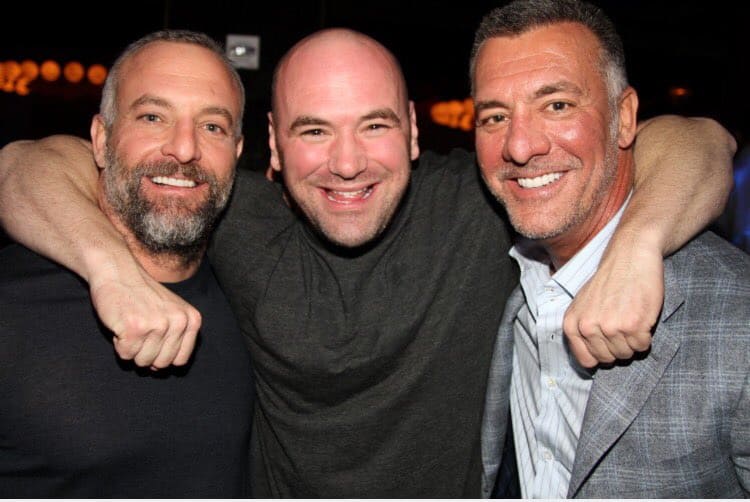
At this time in 2000, SEG was approached by Station Casino executives Frank and Lorenzo Fertitta, and their business partner Dana White with an offer crucial to the survival and future of UFC that changed its fortunes for the better. 

Lorenzo Fertitta, Dana White and Frank Fertitta.

This offer was to purchase UFC, and this came at a critical time for the company. A month later and the deal was done, and in January 2001 the Fertitta’s purchased UFC from SEG for $2 million, and created Zuffa, LLC as the parent entity controlling UFC. This was a real turning point for UFC that allowed its real breakthrough and success.

Reality TV Show To Save UFC From Financial Trouble

Following its purchase and the foundation of Zuffa, UFC began to experience some increase in popularity and success. However, despite this success UFC was still in a vulnerable position, and was still losing considerable amounts of money at this time. 

Faced with the real possibility of folding entirely and stopping operations, UFC made a bold decision and turned to new alternative, stepping away from its usual pay-per-view strategy and making its first foray into television. 

This was prompted by the Fertitta brothers, who had already found success in reality television. The brothers had been featured in the reality television series American Casino, and they used this for inspiration: if reality television could help their business, why not use it to help UFC find a wider audience and popularity? Could UFC be made into a reality television show, and could this help increase the popularity of its fights? 

The Ultimate Fighter TV Show Created

The Fertitta brothers came up with the idea of The Ultimate Fighter, a reality television show featuring up-and-coming fighters from all backgrounds competing against each other for a six-figure UFC contract. Each competitor would fight the others in exhibition-style mixed martial arts matches, knocking each other out of the competition until only one remained and won the prize. 

This idea by the Fertitta’s was a key moment in the history of UFC. Finding the right company to broadcast the show wasn’t easy. The Fertitta brother approached many networks with their idea and pitched the show, but found very little interest, and most rejecting it outright

Finally, the Fertitta brothers approached Spike TV. Spike TV eventually took a liking to the idea and agreed to broadcast The Ultimate Fighter, but not until the brothers offered to pay the entire $10 million production costs themselves. 

Finally, The Ultimate Fighter could go ahead, and a key part of UFC’s history began to unfold. No one could predict how popular The Ultimate Fighter would be, or how important it would be for spreading the popularity of the sport and organization.

The Breakout Moment

Spike TV launched The Ultimate Fighter in January 2005, screening in the time slot directly after WWE Raw. This was a key slot and hoped to appeal to fans of professional wrestling, making them interested in the real combat of MMA. The stage was set and the first episode was broadcast – would it save the company or lose the Fertitta brothers their $10 million investment? Fortunately for the Fertitta’s, the show became an overnight success. 

The Ultimate Fighter was popular from start and grew in popularity over the first season with people enjoying the personal element of the show as well as the brutal exhibition fights each episode. The show culminated in a heated season finale between light heavyweight finalists Forrest Griddin and Stephan Bonnar in the final brawl to determine who earned the life changing prize of a six figure UFC contract.

The final was broadcast live, and received a commendable 1.9 overall rating. The Ultimate Fighter 1 was a real turning point for UFC, with Dana White stating the show was what saved the company and the sport of MMA. 

As a result of the show’s popularity, interest in mixed martial arts exploded across the globe. This translated into a much larger audience of people watching UFC’s pay-per-view events than ever before, which allowed UFC to broadcast more fights. 

The show’s success gave UFC and MMA a much-needed popularity boost and helped the company finally make the profits it dearly needed. Finally, the show saved the money-losing promotion in an underground sport into an international brand that Fertitta brothers and Dana White had envisioned when they purchased the company.

UFC Popularity Helped Legitimize MMA

As well as increasing UFC’s popularity, the success of the show also made a real difference for the sport of MMA as a whole. Following the financial and popular success of The Ultimate Fighter, UFC began to add strength to its executive team, and this was a key decision for the company.

A vital addition was made in March 2006, when UFC announced it had hired Marc Ratner as Vice President of Regulatory Affairs. Ratner was the former Executive Director of the Nevada Athletic Commission, and had, equally importantly, been a key ally and advocate for Senator McCain’s campaign against no-holds-barred fighting.

However, in his new role in UFC, he became a catalyst for the growth in MMA, and became a key figure in legitimizing the sport. Ratner campaigned for the sport relentlessly and lobbied countless United States athletic commissions in favor of authorizing the sport. 

Through his campaigns and efforts, Ratner became a key all for UFC and improved the UFC’s media profile, and made progress towards what UFC really wanted – the legitimization of MMA as a sport inside and outside of the United States of America, giving it global recognition. This was key for guaranteeing UFC’s current and future success as a company.

Years of campaigning and rallying finally paid off in 2016, when on March 22 the New York Assembly voted to lift the long-standing 1997 State ban on MMA, almost a decade later. Further to this, on April 14 2016 Governor Andrew Cuomo signed a critical bill for the sport, finally legalizing and regulating the sport into law. 

This was the final step, as New York was the very last state to legalize the sport, meaning MMA was finally legal in every state in America at last. This was an important part in the history of UFC and MMA in the US and beyond.

UFC Helped Clean Up PED Usage

Having gained legal legitimacy in the United States, UFC took further steps to verify its position and the position of MMA in the world of sport. In July 2015 UFC officially partnered with the United States Anti-Doping Agency (USADA) and launched a historic and comprehensive anti-doping program for all competitors

This was a world first in combat sports, with UFC authorizing USADA to independently administer random testing for all athletes, both in and out of season, year round to test for PEDs and banned substances, ensuring clean and fair competition. Beyond this, UFC made the decision to take additional steps to ensure the safety of its fighters by implementing one of the strictest PED testing strategies in the world. 

Now, UFC has one of the strictest PED testing in the entire world to ensure safety and fair competition. UFC has become a leader in fair sports conduct and an ambassador for anti-doping across the world.

UFC Creates Women’s Divisions

Women had already been competing in MMA competitions for some time, but UFC did not already have a division for women and focused on male competitors. Finally, in 2012, UFC decided to launch its own women’s division, meaning UFC catered for all MMA fighters in one place, capitalizing on its growing success and giving the opportunity for further growth as female fighting involvement continued to increase. 

UFC’s women’s division was confirmed on the eve of UFC154 on November 16 2012, with St Pierre vs Condit. Dana White confirmed with Jim Rome that UFC would now launch its new women’s division, announcing the signing of Strikeforce bantamweight champion Ronda Rousey as UFC’s first female athlete. 

Ronda Rousey was hugely influential for women in MMA, similar to the role of Royce Gracie in popularizing MMA in the beginning of UFC. Rousey was a popular figurehead for women in MMA and helped UFC’s women’s division to a strong start and growing popularity. Ever since its launch, this division has gone from strength to strength, being tremendously popular and increasing the number of women interested in and competing in MMA. 

As a result of its success, women now have the same opportunities as male fighters, with women often headlining pay-per-view events and often generating more interest than the men’s fights. UFC”s women’s divisions continue to be a great success for UFC and for women in MMA.

UFC Going Global

Following the enormous success of events based in the US, UFC is now making an impact all over the world, hosting and funding international events and reaching fans and athletes everywhere in the world. 

Noticing the growing popularity of MMA in Asia, UFC created a dedicated UFC performance institute in China. This is part of its plans to increase the popularity of MMA in China as well as in other Asian countries to access the vast pool of talented martial artists and interest them in mixed martial arts. 

UFC events can be viewed on television in 170 countries and continues to grow in popularity with its international audience.

UFC Sold To New Owner

In 2016, UFC was sold to a very powerful Hollywood talent agency WME-IMG for $4 billion dollars. Despite the change of owner, UFC President Dana White agreed to remain in his position to run the company. This move was widely expected to make UFC even more global. Read more here.

Big TV Deal With ESPN To Expand Its Presence

Following the conclusion of UFC’s television deal with FOX Sport, UFC entered a new contract with the massive sports channel ESPN. Following negotiations, UFC and ESPN reached a multiyear deal. 

This deal brought exclusive, live UFC Fight Night events to ESPN+, starting from January 2019. In addition to this, ESPN and UFC also reached another separate multiyear agreement to allow ESPN the exclusive right to broadcast its pay-per-view bouts. 

As well as being available on television on ESPN and keeping up with new technologies and viewing preferences, UFC can be streamed online through various streaming devices. This is part of an attempt to reach new audiences and help continue to grow the popularity of the sport.

Going Forward

As we can see, the future is very bright for UFC and MMA as a whole. MMA can be understood, admired, and appreciated by people from all backgrounds, bringing together people from all around the world to enjoy athletes fighting with no language or cultural barriers.

As the clear leader in MMA organization, UFC continues to expand and host events all around the world, from Brazil to Ireland to New Zealand to Singapore. UFC has been a sole driver in growing the sport of MMA, and the sport continues to grow in popularity each year as new people are exposed to UFC events on television, online and in person. 

Thanks to UFC organizing, legitimizing, and hosting the sport, MMA has a very bright future and can look forward to future expansion and new opportunities all over the world.

Who Are The Best BJJ Fighters in MMA History?

0
Image by Layne Luna via Flickr

Brazilian jiu-jitsu (BJJ) is mainly known as one of the most important styles in MMA. Unlike some other styles, BJJ has been a part of MMA since day one. 

When Royce Gracie introduced BJJ to the World in 1993 at UFC 1, it quickly became obvious that BJJ would rule the MMA cage in the following years. From vicious boxers to decorated wrestlers, Royce Gracie submitted them all. So during those wild and barbaric MMA beginnings, BJJ quickly emerged as the most useful fighting style. In modern MMA, it’s impossible to compete without at least the basic knowledge of BJJ fundamentals.

Throughout MMA history, we have seen many elite BJJ fighters putting their skills to work inside the MMA cage. So, after doing a lot of research and analysis, we have compiled a list of the 10 best BJJ fighters of all time. In this article, we will explain why they are the best and what is so special about their BJJ skills. 

10. Frank Mir 

Image by Gavin Ng via Wikimedia Commons

Throughout his whole career, Mir was a highly underrated BJJ specialist. He is a BJJ black belt under Ricardo Pires and he actually competed in a couple of BJJ tournaments. What’s more, his achievements are decent:

  • 2001 – Pan American Champion (blue belt)
  • 2007 – NAGA Absolute Division champion 

Mir was a well-rounded fighter who could do it all. In his prime, he mostly relied on great BJJ skills and getting the job done on the mats. At the time, Mir was an unstoppable force. We can all recall him submitting Tim Sylvia and breaking his arm to win the Heavy Weight title at UFC 48 in 2004

In the second stage of his career, he began knocking people out and that’s why modern fans don’t know how good Mir was on the ground. What always stood up in his game are very dangerous submission techniques off his back.

MMA fans always knew Mir was a very good submission artist but never knew exactly how good Mir was until he actually fought the very best BJJ fighters. For example, MMA fans were in disbelief when he submitted very high-level BJJ fighter Antonio Nogueira at UFC 140.

Up until that point, nobody was able to finish Nogueira on the mats and Mir did it in a spectacular fashion by breaking his arm via Kimura (armlock). With the submission over Nogueira, Mir proved once and for all that his BJJ skills are amongst the best of the best in the world. 

Although he lacks some major BJJ world titles on his resume, Mir has proven himself in the cage as one of the best BJJ fighters in actual MMA fights.

9. Gabriel Gonzaga

Photo by Josh Vandegriff via Wikimedia Commons

Many people recall Gonzaga as a man behind the brutal head kick knockout over Mirko Crocop at UFC 70. Thus, one can quickly create a wrong perception about his fighting style. He is an elite BJJ fighter and a black belt in BJJ under Wander Braga. Also, Gonzaga competed at the world BJJ stage while representing the Macaco Gold Team academy:

  • 2019 – Masters World Jiu-Jitsu Champion (ultra-heavyweight)
  • 2006 – IBJJF World Jiu-Jitsu Champion (ultra-heavyweight)
  • 2005 – ADCC Submission Wrestling silver medalist (+99kg)

In MMA, Gonzaga was a well-rounded fighter who enjoyed knocking people out. With the 9 knockouts and 7 submission victories on his record, we can see why most people see Gonzaga as a vicious striker. But In his prime, he was one of the best grapplers who preferred to dominate from the top position. Considering his size and BJJ skills, he was perhaps the worst person you can have on top of you in MMA fights.

8. Shinya Aoki 

Photo by Evolve MMA via Wikimedia Commons

In spite of many controversies around him, Aoki is still one of the best BJJ fighters ever. He is a black belt in Judo and Brazilian jiu-jitsu under Yuki Nakao and his style is very exciting. Over the years, he has gained an image of the most aggressive BJJ fighter in MMA. His main BJJ achievements are

  • Deep X Superfight Champion (2007)
  • Budo Challenge Champion (2006)
  • Shooto Grappling Champion (2006)
  • Dumau/Kansai Cup Champion (2005)
  • ADCC Japan Trial Champion (2005)
  • Reversal Cup Champion (2004)
  • All Japan Champion (2004)

Aoki is also known by the nickname “Tobikan Juda” which means “master of flying submissions.” In some manner, this tells how skillful Aoki is. But, he is also seen as a dirty fighter as well. On many occasions, he had a hard time controlling his aggression. So, he managed to severely injure several rivals in his career.  

Further, Aoki is a very smart fighter who mainly relies on BJJ skills. All he does on the feet is a set up for a takedown. As soon as he advances to the mat, Aoki prefers to work from the guard and he has strong top control. From there, he can execute favorite submissions like omoplata and heel hooks.

Aoki used his BJJ skills to dominate the rivals through many MMA promotions. He was able to capture the ONE FC and Dream Lightweight titles and is also the former Shooto Japan champion. He has an amazing 29 submissions on his record, many of which against elite grapplers. 

In 2000, the famous “Bleacher Report” gave Aoki the “Grappler of the Decade” award for his great achievements in MMA.

7. BJ Penn

Photo by KoreAm via Wikimedia Commons

It’s a shame that modern-day fans don’t know how good BJJ fighter BJ Penn was. He is one of the craziest MMA fighters in history and truly one of the best BJJ fighters as well. In one of his interviews, BJ said he got his black belt in jiu-jitsu in three years and four months. 

His biggest BJJ achievement represents a win at the World Jiu-Jitsu Championship in Rio de Janeiro in 2000. He was the first non-Brazilian to do so.

Penn was an absolute master in dominating the opponents on the mats. He has that distinct ability to direct them where he wants them and take their back. From that position, he would close the show with his favorite weapon, a rear-naked choke. 

In his prime, Penn was a whole package. He was a very aggressive striker and a very tricky BJJ fighter on the mats. 

6. Antonio Nogueira

Photo by Grook Da Oger via Wikimedia Commons

Nogueira is the former Pride FC champion and one of the best BJJ fighters to ever compete in MMA. He and Kazushi Sakuraba both keep the record for most submission wins in Japanese Pride Fighting Championship history (11). Like a true grappling expert, Nogueira also competed in BJJ. Here are some of his best achievements: 

  • 2000 ADCC Submission wrestling championship (quarter finals)
  • 1999 CBJJ Pan American Champion (2x)
  • 1998 CBJJ Brazilian Champion (brown belt)
  • 1996 CBJJ Brazilian Champion (blue belt)

Like Fabricio Werdum, Nogueira was also known for his great boxing skills. In his prime, he went toe-to-toe on the feet with the best strikers like Mirko CroCop and Fedor Emelianenko. But as a much better grappler, he stopped most of his rivals with BJJ skills. 

In his 16 years long career, Nogueira had submitted 21 rivals. Also, some of these finishes were against elite BJJ fighters like Josh Barnet. For almost a decade, Nogueira was a man to avoid on the mats. 

He was an absolute master in using the open guard and finishing rivals with armbars and triangle chokes. There has never been a fighter more capable of fighting from the bottom position. As such, many fans believe he is the greatest BJJ specialist in the history of MMA.

5. Fabricio Werdum 

Photo by Mike Dunn via Wikimedia Commons

Fabricio Werdum is the former UFC champion and a famous name in the BJJ world. For many people, he is the best BJJ fighter in MMA history. Throughout his grappling career, he represented Brazil in many tournaments, and his achievements are amazing: 

•ADCC Submission wrestling gold medalist (2x) 

•IBJJ World jiu-jitsu gold medalist (4x)

•Pan American Jiu-Jitsu Champion (4x)

Also, he had a very good MMA career as well. Despite being an elite grappler, Werdum is also a very good striker. His boxing skills are very good, and he can land punches from various angles. Yet, he uses the striking just to set up the takedowns and advance the fight to the mat. 

Once on the mats, Werdum is like a fish in the water. Thus, he shifts between positions fast and has great finishing abilities. What he does best is working off his back and placing submissions like armbar or triangle chokes. 

Over the years, Werdum has gained a fearsome reputation and respect from his rivals. What’s more, even the former UFC champion Frank Mir had great words for Werdum.

When people compliment my Jiu-Jitsu I also say (Fabricio) Werdum’s is better than mine

Frank Mir

In his MMA career, Werdum has submitted many MMA legends like Antonio Nogueira and Cain Valasquez. Yet, he is best known for ending the Fedor Emelianenko’s famous 27 fight winning streak at Strikeforce in 2010

4. Ronaldo “Jacare” Souza

Without a doubt, Souza is one of the best BJJ fighters of this generation. He is judo trained and holds the BJJ black belt under Henrique Machado and has one of the best grappling records on paper. So, just take look at his achievements: 

• ADCC Submission Wrestling Champion (2x)

• World Jiu-Jitsu Champion (8x)

• CBJJ World Champion (8x)

• CBJJ Pan American Champion (2x)

Souza is not just an amazing grappler, he is a very good MMA fighter as well. Throughout his career, Souza was able to capture the Strikeforce Middleweight belt. Also, he is one of the greatest fighters who never won the UFC gold. 

As his nickname Jacare (Alligator) suggests, Souza is a very powerful grappler. Once he gets a strong grip, he won’t let you go. He has a very good top control and prefers to stay patient and wait for the perfect opening to attack with submission. 

Souza has also become a well-versed MMA fighter who doesn’t solely rely on his BJJ skills. Over the years, he has developed very good striking skills as well. Moreover, many people actually know him as a knockout artist. That’s a bit of ironic considering how good BJJ fighter he is.

3. Demian Maia 

Photo by Peter Gordon via Wikimedia Commons

It’s impossible to create any kind of BJJ list without mentioning the BJJ legend, Demian Maia. We can firmly say he is one of the best grapplers in the history of MMA. He is the 4th-degree black belt in BJJ under Fabio Gurgel, and his achievements in BJJ competitions are amazing: 

• 2007 ADCC World Champion 

• 2004 ADCC South American Champion 

• 2001 CBJJ Brazilian Champion (brown-belt)

• 2000 CBJJ World Champion (purple belt)

Maia is a very tricky MMA fighter. He is one of those fighters who remained loyal to BJJ. His fighting style is built entirely around his grappling skills. Though he doesn’t have great striking skills, Maia is always able to find a way to advance to the ground. In his career, he defeated some great strikers like Jorge Masvidal and Carlos Condit. 

Unlike some other BJJ fighters who are hesitant to face high caliber wrestlers, Maia is one of the rare BJJ fighters who can perform against any other style. He doesn’t mind being overwhelmed by the elite wrestler since he has a very dangerous game off his back. In a split of a second, he can use his BJJ magic to reverse the position or secure the submission over the wrestler on top. 

For this reason, many wrestlers avoid going to the ground with Maia. We saw this many times throughout his career and the best example is his submission victory over the elite wrestler in Ben Askren at UFC Fight Night 162. 

Also, he doesn’t have any holes or weak points in his grappling game. Whether he is on top or fighting off his back, he will always find a way to set up the submission. Basically, Maia is on another level compared to the other BJJ experts in MMA. 

2. Roger Gracie 

Photo by Iwtbf42 via Wikimedia Commons

Roger Gracie is regarded by many as the best BJJ fighter to ever set a foot inside the MMA cage. He is a 4th-degree black belt in BJJ and his achievements are astonishing.

•ADCC World Champion (2x)

•2004 ADCC South American Champion 

Brazilian jiu-jitsu World Champion (10x)

In 2005, Roger became the first fighter to win ADCC Submission Wrestling World title by winning eight matches in both super heavyweight and absolute weight classes. Thus, he is one of the most dominant BJJ fighters ever. What’s more, he hasn’t been submitted in the competition since he was a blue belt.

For many people, Roger is the greatest BJJ competitor ever. As a black belt, he has 10 wins at the IBJJF World Jiu-Jitsu Championships with three of those victories while competing in open weight competition. 

Roger started competing in MMA in 2006. He holds notable submission victories over the Pride FC legend Kevin Randleman and UFC star Anthony Smith.  Roger would retire from MMA in 2016 with the submission victory over Michal Pasternak and with the ONE FC Cruiserweight belt around his waist.  

1. Rickson Gracie 

Photo by Ricksongracie.com

Some may disagree with our number one pick. But in the BJJ world, there is no other MMA fighter who has got more recognition than Rickson Gracie.

He is the 10th-degree red belt in BJJ under his brother Rorion Gracie. Also, people forget that he is the black belt in Judo under Georges Mehdi as well. For many people, Rickson is simply a mythical legend in MMA.

His MMA career began way before the mainstream days of UFC. As a young BJJ fighter, he fought against the experts from other styles wherever he could. From the streets of Brazil to the Vale Tudo tournaments, Rickson was always there to defend the honor of BJJ. 

Further, through the 90s, he fought as a professional MMA fighter in Vale Tudo Japan, Pride FC and C2K: Colosseum. In his MMA career, Rickson fought in 11 bouts and he finished them all by submission. His style was very aggressive and he submitted 10 out of his 11 opponents inside the first round. He’s had that unique ability to adapt his BJJ skills against any other combat style and execute his gameplan without receiving any damage whatsoever. 
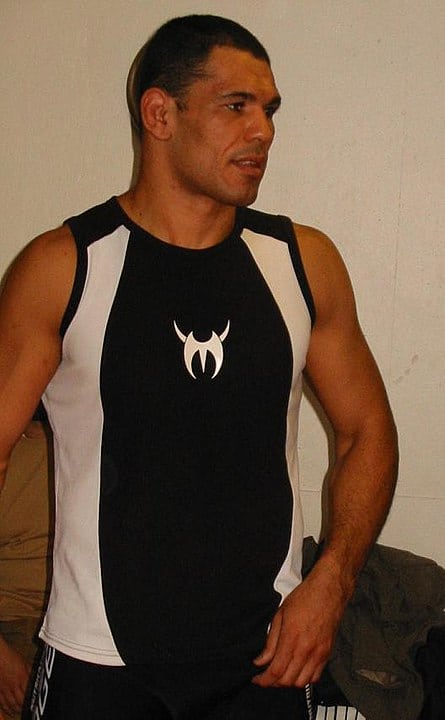
Also, bear in mind that Rickson competed in a different time and entirely different MMA world from what we know today. Just like Muhammad Ali, Rickson is a legend of his time and the best BJJ fighter in the history of MMA.

You can learn more about why Rickson Gracie was so special in our article entitled, “Why MMA Fans Should Know About Rickson Gracie!”.