Home Blog Page 22

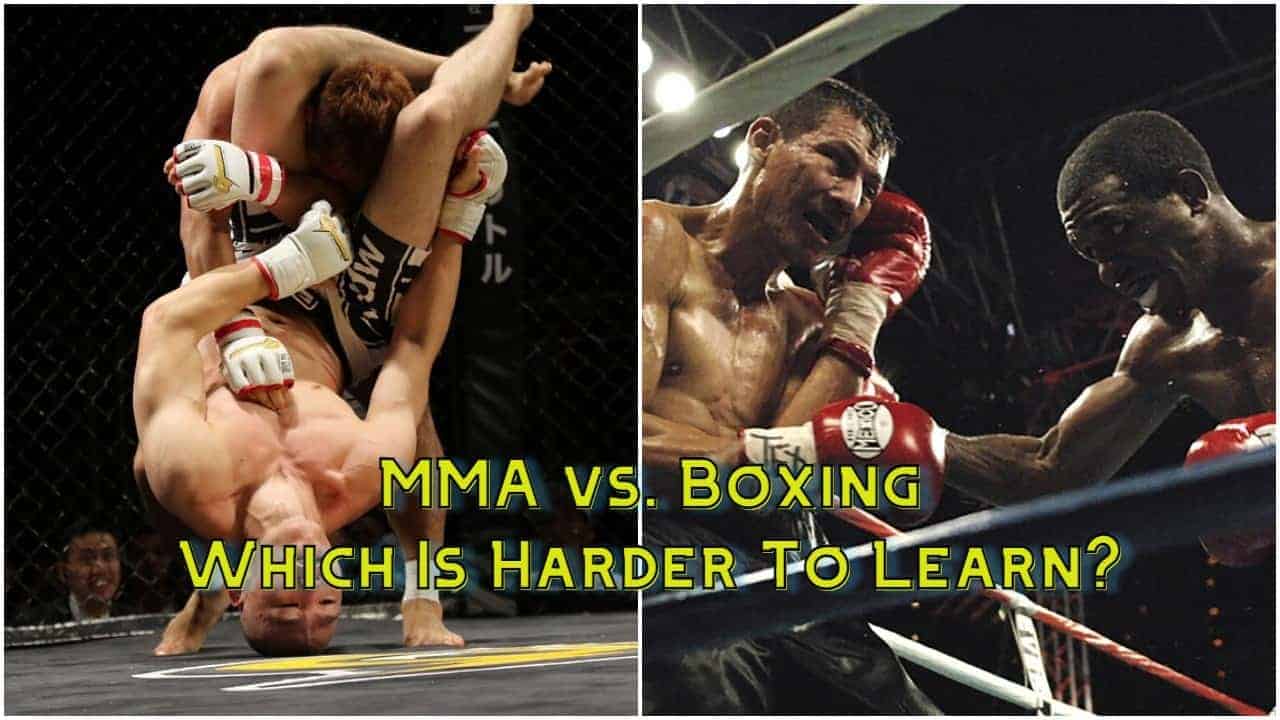
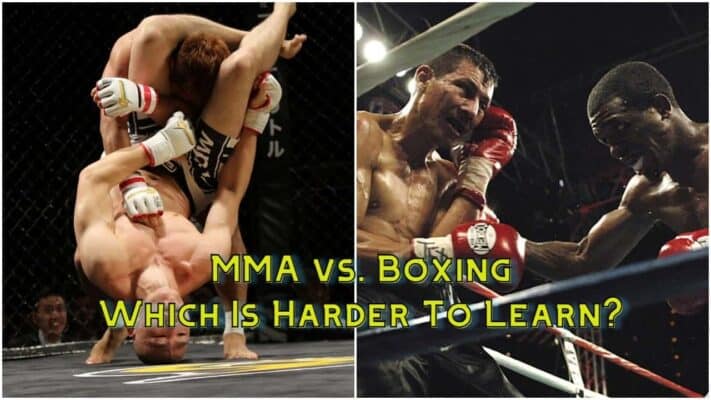
MMA vs. Boxing: Which Is Harder To Learn? (Best Explained)

0

Boxing and Mixed Martial Arts are undoubtedly the two most popular combat sports on the planet, but the debate as to which one is most difficult to learn is never-ending.

On one hand, you have MMA which typically requires at least a base level of proficiency in both striking and grappling arts, on the other hand, you have boxing, a sport where only the most honed, focused and technical pugilists can ascend to the highest echelons.  

In this article, MMA vs Boxing, I will further examine which combat sport is harder to learn and which one has an overall higher skill level required to be highly successful as a competitive athlete.

MMA vs Boxing – Which One Is Harder To Learn?

It goes without saying that to be proficient at any sport, particularly a martial art requires a great deal of dedication and perspiration. The hard work involved with both boxing and MMA has a fantastic pay-off for the practitioner in terms of enhanced discipline, improved fitness, weight loss, muscle tone and stress relief but in the initial stages, learning the fundamentals of boxing is arguably much easier than MMA.  

The Duke of Queensbury rules limits the attacker to variations of straight punches, hooks, uppercuts and overhands, but all of these strikes, along with kicks, grappling and submission techniques can be found in Mixed Martial Arts.  Trying to develop even a basic understanding of all of these skills can be incredibly confusing, so much so that many MMA fighters choose to learn each individual art separately. Finding out how to combine the arts can be even more difficult in MMA – flat-footed wrestling or Jiu Jitsu stances don’t typically lend themselves well to throwing kicks, whilst a side-ways boxing stance is open to both takedowns and leg kicks.  

As time goes on, high-level MMA fighters tend to focus on one particular skill set and use their other skills either to protect against the attacks of their opponent or to provide unexpected threats. For example, wrestling specialists are known for faking takedowns and following up with overhand crosses, whilst strikers are sometimes known for “sprawling and brawling” styles – using wrestling to prevent them from being taken down in order to keep the fight on their feet.  

Whilst it is not unheard of, it is rare for submission specialists to also be absolute knock-out artists. That being said, if both fighters are more or less equally good grapplers, then striking abilities will come to shine. Conversely, striking art-focused competitors seldomly have as advanced ground-fighting techniques as more grappling-focused ones. Though, if a fighter finds his or her opponent to be a more dangerous striker, they can employ wrestling to slow them down or take them to the ground to follow up with ground and pound, or look for chokes and joint locks.  

This can act as a double-edged sword. With more ways to lose, fighters can achieve wins out of seemingly nowhere and champions are rarely dominant for long stretches of time as other fighters exploit weaknesses in their games.  

So on paper, with fighters having to develop such well-rounded games it would appear that MMA fighters have a significantly larger amount of skills to learn than boxers.  An argument could be made, however, that due to its limitations, boxing with its footwork, feints, slips, dips, rolls and head movement forces the best boxers to have a much higher level of refinement than their 4 oz glove-wearing counterparts.

RECOMMENDED FOR YOU:
Why Is Boxing Called The Sweet Science? – Ultimate Answers

What Takes More Skill, Boxing or MMA?

It is almost impossible to have an answer to whether MMA or boxing requires more skill, but to be a high-level boxer, you certainly need a more singular focus. An adage about boxing states that good boxers make their opponent miss by a mile, but great boxers make their opponents miss by an inch. The reason being is that a near miss can allow a fighter to counterpunch. Whilst this evasiveness, punching precision and distance management is important in MMA, it matters for different reasons and an MMA fighter can, in some instances be a fundamentally poor striker if their grappling ability is such a higher standard to compensate for this.

There are also certain angles which MMA fighters will tend not to throw punches from, due to the risk of being kicked or grabbed by their opponent.  They also simply don’t have the time to devote to certain punches due to requiring such a broad skillset.

Arguably, the difference between boxing and MMA arguably comes down to subtlety, something is incredibly difficult to quantify.  It goes without saying however, that few pugilism purists have transitioned over to MMA with a great deal of success and MMA fighters don’t often make for great boxers.

Is It Easier To Be A Pro Boxer or An MMA fighter?

In terms of whether it is easier to become a professional boxer, or a professional MMA fighter, it is almost undoubtedly the case that it is easier to become a professional MMA fighter. There are a number of reasons for this.

Firstly, MMA is growing so rapidly, that depending on where you are, there may be far more MMA gyms than there are boxing gyms in your area. Many of them operate much more as businesses, rather than the grass-roots community center feel, which boxing gyms have. This means they are often quick to get new students in the door, to not only pay their membership dues, but find willing fighters they can enter into the MMA events of local organizations.  

Secondly, boxing has a significantly larger amateur boxing scene. Many boxers spend many years accumulating almost countless wins at amateur level before they turn professional. It is not unheard of for some boxers to go as far as to compete in the Olympics before they start their professional career.  MMA doesn’t have this barrier at all, with many fighters skipping amateur fights and heading straight into professional competition.

Perhaps because of this increased level of difficulty in getting to a professional level, the level of potential earnings is almost ubiquitously higher in boxing than MMA. Only the likes of Conor McGregor have earnings in the realms of the big names in boxing and in his case, these earnings stem more from marketing contracts, or the success of his other business ventures.

RECOMMENDED FOR YOU:
MMA vs Boxing – Which is More Popular? Simple Analysis

What Requires Higher Amount of Stamina, Boxing or MMA?

Another difficult thing to compare is the levels of stamina needed for both boxing and MMA. Each sport has their heavy hitters – heavily built fighters who are “all or nothing” – trained, or born to throw shots with incredible power, power which comes at a cost – gas tank.  Outside of these heavy-hitters, fighters have to prepare for the long haul.   

Professional boxing bouts consist of twelve three-minute rounds, so going the distance will involve 36 minutes of actual fighting. MMA on the other hand will consist of three five-minute rounds, or in the case of title fights, five five-minute fights (25 minutes total). This means that boxers have on average more resting time in their fights and shorter rounds before they get to their next opportunity to rest. The difference is going to be related to activity.

Whilst grappling is usually incredibly draining and often becomes a much more anaerobic activity than the breath-aided striking, it can also be used as a stall tactic, for some fighters to recover their energy levels.  

One of the complaints spectators of the octagon-based fighting sport is that there is too much “hugging” – either standing clinch work, or grapplers who utilize “lay and pray” tactics to eek out decision victories from taking their opponent down and smothering them to accumulate points. Referees take a significantly longer period-of-time to break fighters up if they do not display enough activity from clinch positions in MMA than they do in boxing matches.

Whilst it is arguable that both arts require roughly the same levels of stamina, Vice president for the UFC Performance Institute, Duncan French analyzed both MMA and boxing to see which one expends more energy during the fight based on the tempo of a fight.

“Importantly, the biggest difference between boxing and MMA is the effort-to-pause ratio, which essentially defines the tempo of a fight,” says French. In boxing, the effort-to-pause ratio averages 3-1, but in professional MMA that ratio is flipped to 1-4, primarily due to the impact of grappling and ground fighting.

Source: The Irish Times

In other words, boxers tend to spend more time working and less time regrouping, requiring boxers to have higher stamina for the fight than MMA fighters do.

Which Is More Dangerous: MMA or Boxing?
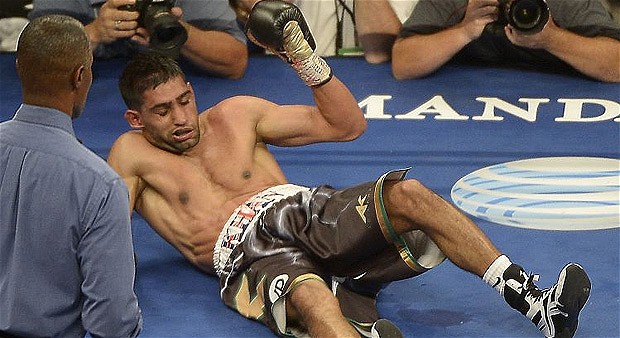
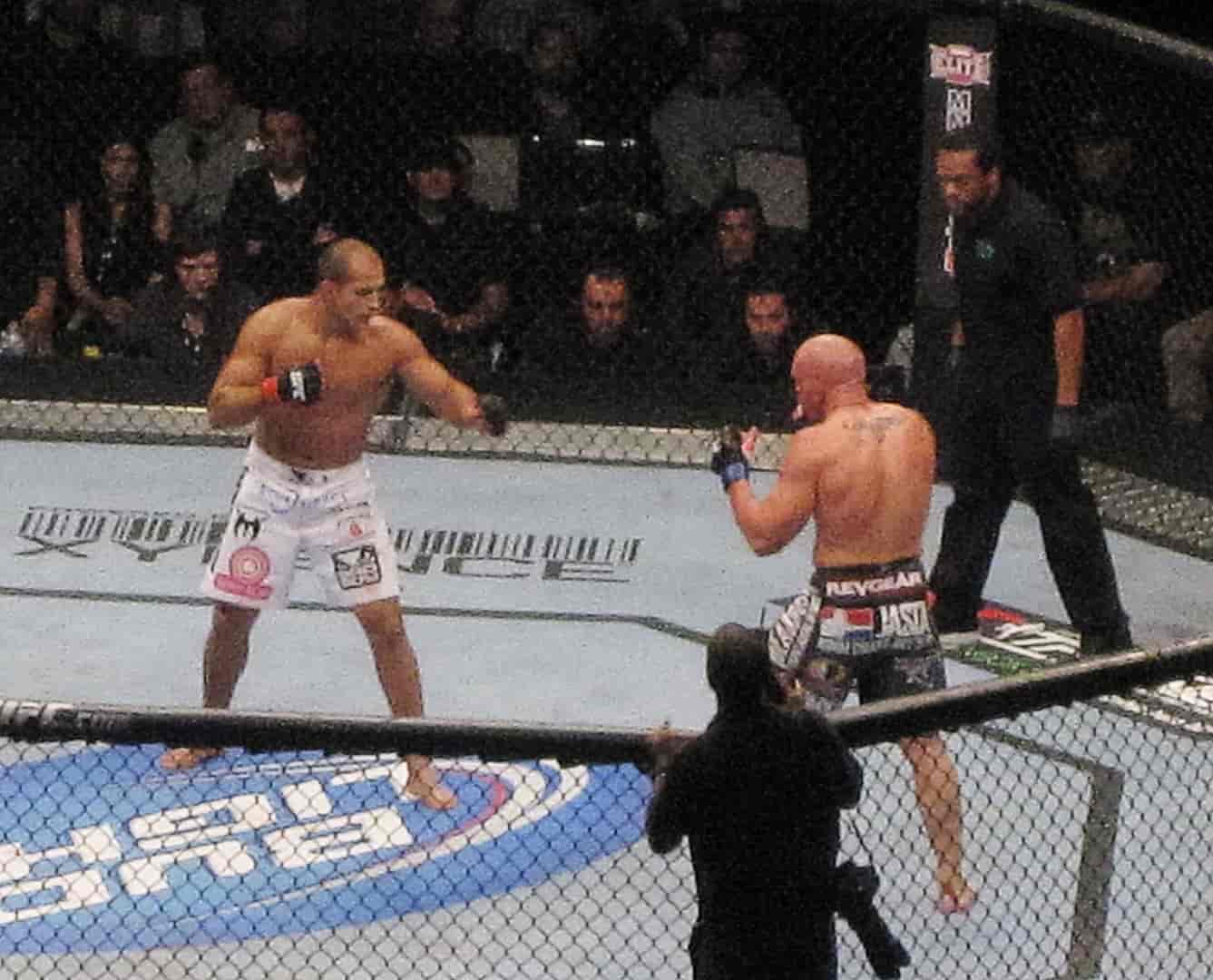
Photo by Uzzy01234

Health experts have been able to conduct comparable studies on the risks of injury in MMA and Boxing. The study shows that both boxing and MMA have their inherent dangers, but statistics suggest that boxing is more dangerous than MMA.

A ten-year study undertaken by researchers at the University of Alberta’s Sather Sports Medicine Clinic from 2003 to 2013 was one of the most important studies revealing that boxing leads to more serious injuries than MMA.

These researchers discovered that the injuries which boxers sustain are more likely to affect their health in the long term. MMA fighters may have an increased chance of minor problems such as facial cuts and contusions but overall less major ones.

Of the 1,181 MMA fighters in the study, 59.4% of them received some form of injury in their fights, whereas 49.8% of the 550 boxers received an injury during their, however these injuries were typically much more severe. 

7.1% of the 550 boxers evaluated were knocked out or lost consciousness. In comparison, only 4.2% of MMA combatants were knocked out or lost consciousness. This higher rate of concussions precipitated a higher rate of medical suspensions.

This concussion rate is almost certainly from the greater number of significant strikes to the head being thrown in boxing. Boxers can receive hundreds of blows to the head in a single fight, whilst MMA fighters, with their leg and body kicks, and grappling techniques have a wider range of alternatives to winning via KO. These techniques also typically increase the distance MMA fighters engage with each other at. The further they are from each other, the more difficult it is for boxers to land multiple punch combos. These combos are more easily disrupted with kicks, or takedowns.    

Submissions can result in torn ACLS, damaged ligaments, dislocated shoulders or even unconsciousness, but even chokes, which can be extremely dangerous if they aren’t released early enough rarely lead to sustained trauma to the brain. In the case of head kicks, they can undoubtedly land with more force than a punch, it is rarely a case that single strikes do the damage, but rather the sheer volume sustained. The greater the volume, the greater the risk.  

Lastly, it should be noted that the safety regulations of both sports affect the injury rate. This comes into play in a number of ways. Firstly, although the larger gloves used in boxing would seem like they would protect fighters, they tend to protect their hands more, meaning that they are more willing to throw dangerous shots into their opponents head. 4 oz gloves do not provide the same protection to the brittle bones in a hand and fighters are forced to pick their shots with more precaution. 

Secondly, as a latecomer with a grizzly reputation, MMA was forced to develop a ruleset which looks after its competitors more. If an MMA fighter gets hurt and can’t defend themselves, the fight is almost instantly stopped by the referee.  Boxing on the other hand allows pugilists to be knocked down and given a ten-second count to get back to their feet and show their ability to continue fighting. Most matches have a three-knockdown, which means a fighter can receive three knockdowns before the fight is over. This can sometimes mean a pugilist will fight for several rounds with a concussion.

RECOMMENDED FOR YOU:
Do MMA Fighters Get Brain Damage?

MMA Fighters vs. Boxers: Who Punches Harder?

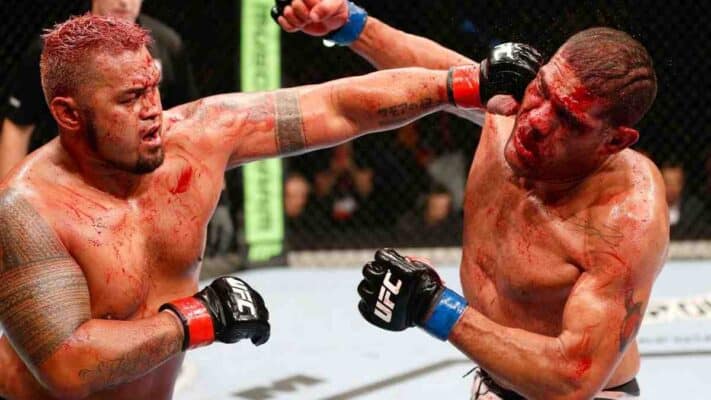
Photo by BagoGames

Whilst both professional MMA fighters and boxers are incredible athletes boxers will typically have a higher force output capacity in their punches. This is usually for two main reasons – the obvious reason is that boxers spend far more of their time focusing on doing one thing: punching. The extended time focused on punching will lead to improved muscle memory and technique. 

The less obvious reason is that people who are more naturally built for boxing are likely to gravitate towards the fist-focused sport.  

With regard to the actual damage done, boxers with their refined sense of timing and knowledge of angles will be able to achieve a lot more with their punches than MMA fighters do with theirs. Knowing when the exact moment an opponent is committing momentum to their own attack can mean that a boxer can land a clean shot on a vulnerable target like the chin, jaw or temple, further maximizing the impact.

RECOMMENDED FOR YOU:
How Hard Can an Average Person Punch?

Should I Choose MMA or Boxing?

Whether you should take up MMA or boxing depends largely on the reasons you wish to train. Both will provide fantastic improvements to your lifestyle in terms of increased fitness, confidence and discipline, but it is arguable that MMA is more useful for self-defense due to the high amount of street fights which either go to the ground, or end up in some form of grappling position. MMA prepares you for any kind of fighting scenario.

If you follow both sports and want to compete professionally, then try to listen to what your heart (for lack of a better word) is calling you to pursue. If you have time, try some classes in each sport, after all there are almost no MMA fighters who don’t train in boxing at some part of their careers. Knowing how to punch properly can only be a benefit.

RECOMMENDED FOR YOU:
Which Martial Art Has The Most Injuries? FAQs
Which Martial Art Has The Most Injuries? FAQs

0
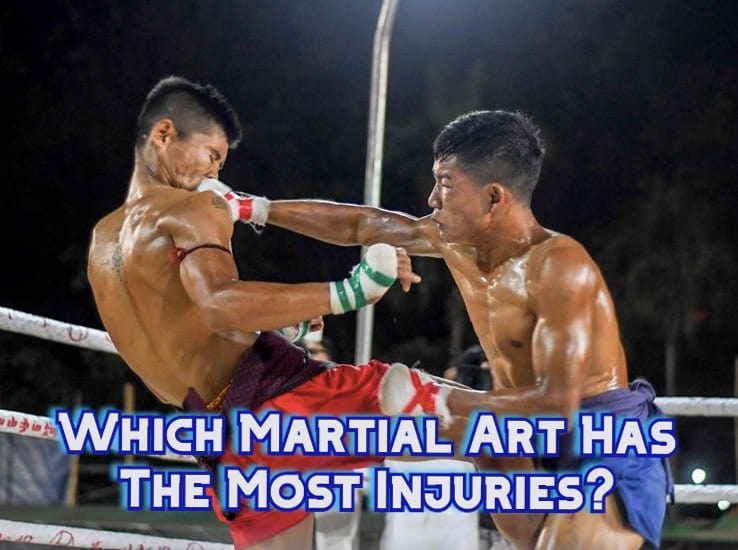
Photo by Lethwei Master

All martial arts have the potential to cause injuries. At some point in their training or during competition, all martial artists or mixed martial artists have had to take a little time off to recover from some form of injury. However, there are some martial arts that are more dangerous than others. Which one has the most injuries and why? 

Lethwei, Burmese bare-knuckle boxing, is a martial art that is highly likely to cause the most injuries because there are two key factors that accentuate Lethwei’s natural proclivity for injuries: bare-knuckle striking and head butts are allowed in Lethwei competitions.

Aside from being the injury-causing martial art, Lethwei is one of the more obscure forms of martial arts. Very few people outside of Burma have heard of it. But that doesn’t limit its dangerous nature. Keep reading to learn more about Lethwei and why it causes the most injuries.

Which Martial Art Has The Most Injuries?

The most injury-prone martial art is a relatively obscure type of combat sport known as Lethwei. The following list highlights Lethwei’s inherent propensity for injuries:

Photo by Lethwei Master
  • Ability to headbutt. In many combat sports, this move is so dangerous that it is banned in every other santioned combat sport. But in Lethwei, headbutt is a common part of the sport.
  • Bareknuckle. There aren’t any gloves used to lessen the impact of the blows. At most, there will be some hand tape used to protect the knuckles. 
  • All types of strikes are allowed. Kicks, Punches, Knees, Elbows, Headbutts

In modern rules, the aim is to knock out the opponent. Almost anything goes when achieving this goal. If the fighter gets knocked down more than three times, the fight is over. Even if the fight lasts all three rounds, there is still an incentive to be aggressive. The judges will score the winner based on aggression, number of significant strikes per round, damage, and blood drawn

The traditional version of the sport, though, is a lot simpler. Traditional rules do not have a scoring system. Fighters can win only if they knock the opponent out. If the match goes to distance, it would be declared a draw no matter how dominant one fighter was. 

Whether modern rules or traditional rules, all Lethwei matches are violent, bloody, and visually look far away from anything that’s safe.

When it comes to more conventional martial arts sports, Tae Kwon Do(TKD) was deemed the most dangerous according to a 2005 study. The researchers found that participants in this sport had a 59 percent chance of incurring an injury that required them to take some time off from training. 

How Dangerous Is Lethwei?

Lethwei has earned the title of the most brutal sport on the planet for a reason. The use of brutal kicks, knee strikes, bare-knuckle punches, and flying headbutts all ensure plenty of potential for serious injuries. It’s no wonder that Lethwei bouts end with one, or both, fighters always bleeding. 

RECOMMENDED FOR YOU:
Top 11 World’s Deadliest Martial Arts Revealed – Ranked

How Effective Is Lethwei In A Street Fight?

Lethwei tactics aren’t just effective in the ring, they can also be used to win street fights. In training, students learn how to use the entire body as a weapon to strike.

Lethwei includes the infamous head butts and trains you to fight bare-knuckle and focus on a knockout. This makes it as real and as close to street fighting as it gets. Once the fight breaks out, there are no gloves, forbidden strikes, or referees. The faster you put the opponent out, the better chances are for you to get back home safe.

Why Do People Practice Lethwei If It Causes the Most Injuries?

Even though the thought of participating in the most dangerous martial arts can cause some people to shudder, the sport is growing. People can watch the events on popular streaming platforms like UFC Fight Pass. The UFC’s interest in the sport shows you that Lethwei is garnering a lot of attention. Many other aspects attract people to Lethwei, these include: 

  • Cultural heritage. For some people, this sport plays an important role in their cultural heritage. There are historical carvings, made in temples at Bagan, that show people engaging in this sport as early as the 11th Century.  
  • Potential to start a career. For many years, Lethwei was a very obscure form of martial art. There weren’t any opportunities for skilled Lethwei fighters to advance themselves, so many of them often turned to Muay Thai kickboxing. But this is starting to change a little. Promotions like World Lethwei Championship (WLC) are bringing global attention to the sport, including signing a deal with UFC Fight Pass to televise their events. 
  • Self-defense. Though the tactics of Lethwei are brutal, Lethwei techniques are real life practical. Each technique you learn works in real life because Lethwei fights are the closest thing to real fights, and unlike most other arts, it will teach you how to use dirty moves as well.
RECOMMENDED FOR YOU:
What Is Dirty Boxing In MMA/Boxing?

Lethwei vs MMA – Which One Causes More Injuries?

In this area, many people would instinctively choose MMA. But this isn’t the case in my assessment. Lethwei, while lesser-known, is likely to cause more injuries than the MMA. Both traditional rules and modern rules Lethwei fight is set up like a bare-knuckle brawl. Fighters don’t wear gloves to soften the impact of the punches.

In Lethwei bouts, traditional rules do not include a scoring system and judges. The winner is the person who incapacitates their opponent by knocking them out or doing so much damage with all kinds of striking which includes headbutting that they can’t continue the fight. In modern rules, judges pick the winner based on aggression, number of significant strikes per round, damage, and blood drawn.

On the other hand, there are far more rules in MMA fights to protect fighters from getting seriously injured. MMA fighters must wear gloves and headbutting is banned in MMA fights. MMA fight can be stopped by the referee if one of the fighters is badly hurt to prevent further injury.

What Are The Most Common Injuries In Martial Arts?

The type of injuries you can expect will vary a little, depending on the type of martial arts you are pursuing. But, according to a study from the Canadian Memorial Chiropractic College which took place over nine years, the most common causes of injuries were:

  • Contusions
  • Strains
  • Sprains
  • Broken limbs
  • Broken noses

What Is The Deadliest Martial Art Move?

A general consensus is usually judged to be the rear-naked choke as the deadliest martial art move, better known as the sleeper hold. When done right, this will be enough to cause your opponent to become unconscious, because it immediately restricts blood flow to the brain via the carotid arteries. If you continued to apply the hold, the lack of blood flow could prove fatal within a minute.

Which Martial Art Has The Least Injuries?

According to research from Salve Regina University, Tai Chi is the safest martial art, with an injury rate of 14 percent. This can be attributed to the slow-motion movements that the sport emphasizes.

RECOMMENDED FOR YOU:
10 Safest Martial Arts That Are Effective In Real Life

How Do You Ensure Safety While Practicing Martial Arts?

It’s important to remember that all martial arts, even Lethwei, can be practiced safely. It all comes down to the way that fighters approach the training and bouts. Some of the simplest steps that can be done to prevent injuries include: 

  • Knowing the risk of each martial art
  • Have a strong warm-up and cool-down routine, so muscles aren’t overstrained. 
  • Use the right protective equipment
  • Fighter should learn their limits and work within them, avoiding taking on opponents before they are ready
  • The body needs to be given enough time to properly heal and recover from the damage sustained during a fight

Final Thoughts

Lethwei is called the most brutal sport in the world that causes the most injuries, for good reason. It is a bare-knuckle fight, with a wide range of attack methods available, including the headbutt. After each of these fights, it’s common to see fighters left bloody. Many have been left with serious injuries. Though the sport has been transformed to take a more modern approach, like separating the conflict into rounds, it has retained the violent nature of the traditional fights. 

What Are Liver Shots In Combat Sports/MMA? A Beginner’s Guide

0

When most people think about combat sports or MMA, they usually visualize brutal punches and kicks to the head as the most effective strikes. On the other side if you ask pro fighters, most of them would tell you that nothing hurts like a well-placed shot to the liver. But what exactly is a live shot?

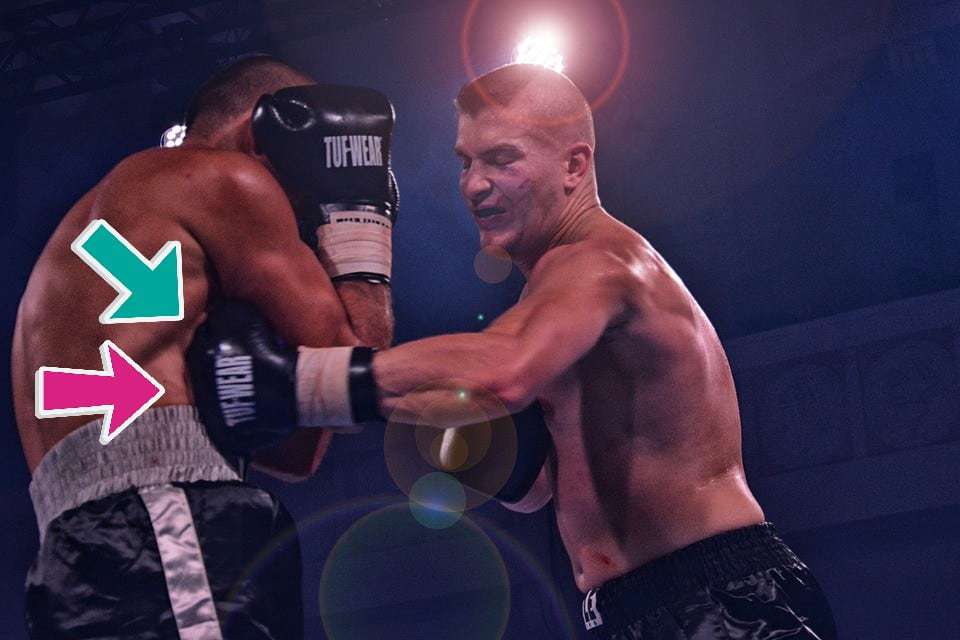
A liver shot is a punch, kick, or knee strike that lands right under the ribcage on the right side of the stomach and penetrates the body enough to damage the liver. The liver shot instantly causes excruciating pain and sudden paralysis and puts the body into shutdown mode.

Keep reading this article to learn more about liver shots in combat sports, how fighters use them, and why it is so effective.

What Are Liver Shots In Combat Sports/MMA?

A liver shot is a kick, punch, or knee strike that lands right under the ribcage on the right side of the stomach and penetrates the body enough to damage the liver. It is a very popular strike in combat sports/MMA because it instantly causes unbearable sharp pain in the area. No matter how physically strong the fighter is or has a high pain tolerance, a well-placed liver shot would drop anyone down to the ground.

The exact origins of the liver shot are not clear because this strike has been a part of combat sports like boxing since ancient times. But if you look at MMA that emerged in the mid-80s, one of the fighters who popularized a liver shot was a Dutch fighter, Bas Rutten. He is a former “King of Pancrase” and UFC champion who utilized a liver shot to perfection.

RECOMMENDED FOR YOU:
How Hard Can an Average Person Punch?

What Happens To A Body Upon Receiving A Liver Shot?

The liver is the largest organ in the human body. It is located under the 9th and 10th ribs on the right side of the abdomen and is around 3.3 lbs heavy and is responsible for:

  • Blood circulation
  • Serves as a filter that protects our bodies from toxins
  • Regulates glycogen storage
  • Produces various hormones

When a hard punch, kick or knee lands, one side of the liver gets compressed while the other side gets stretched which stimulates the longest nerve of the Autonomic Nervous System called “vagus nerve”. This causes blood pressure and heart rate to dramatically drop and the entire body would get into a survival mode. To maintain a blood flow to the brain and survive, the body would force itself into a horizontal or supine position, which is the reason why fighters collapse. Bear in mind that all of this is happening in a few seconds.

What Happens To A Fighter Upon Receiving A Hard Liver Shot?

Upon receiving a hard liver shot, most fighters would bend over and place at least one of their hands on the liver. The unbearable pain would cause them to lose balance, fall down to the ground, and in most cases, they would get into a supine position. They would lose their focus, breath, and fighters very rarely ever recover to continue fighting.

Even if they do recover enough to continue, this doesn’t mean that their liver is fully recovered. In fact, the liver would still be damaged and the only thing the opponent needs to do is to hit the same spot once again to finish the fight.

RECOMMENDED FOR YOU:
Do MMA Fighters Get Brain Damage?

Can A Liver Punch Be Fatal?

A liver shot is very painful and may lead to light or serious injuries, but it has not been fatal in combat sports. In theory, a hard punch, kick, or knee might rupture the liver and cause internal bleeding and death, but that is highly unlikely in combat sports.

In combat sports history, it has never happened that a fighter died due to the injuries sustained by a liver short. This strike has led to serious injuries, but there is no recorded fatality. 

According to the “American Association of Surgery for Trauma”, there are six types (grades) of liver injuries you may suffer upon receiving a hard shot. Here are the most common light injuries (Grade 1 and 2) and severe injuries (Grade 5 and 6):

  • Hematoma (less than 10cm) — Grade 1 and 2 injuries
  • Laceration (less than 1cm and without bleeding) — Grade 1 and 2 injuries
  • Injuries to the liver’s vanes that cause bleeding — Grade 5 and 6 injuries
  • Deep Laceration (severe injury)- Grade 5 and 6 injuries
  • Loss of blood supply to the liver — Grade 5 and 6 injuries

In most cases, combat sports athletes experience light liver injuries and do not need much time to recover.

RECOMMENDED FOR YOU:
What Is A Superman Punch In MMA? Easily Explained

Yes, liver shots are legal in UFC and fighters regularly use this strike. Since MMA is a versatile sport where fighters are allowed to use all limbs as weapons, you can also see different types of liver shots. Most UFC fighters prefer to target the liver with a vicious roundhouse kick from the distance. They can generate a much bigger force with a kick than with a punch, a force similar to hitting someone with a baseball bat. When a kick carrying such a force hits the liver, it instantly sends the opponent down to the ground in huge pain.

The other way UFC fighters land liver shots is inside the clinch. This is notably true for fighters trained in Muay Thai who know how to get a dominant position inside the clinch and hit the liver with a knee. In most cases, they would get a double collar tie which allows them to control the head of their opponent. Then, they would break their posture and unload with a barrage of knees to the stomach. Although these knees might look soft on TV, skilled fighters know how to generate a lot of power and damage the liver.

RECOMMENDED FOR YOU:
What Is A Haymaker Punch In Boxing? Easily Explained

What Does It Feel Like To Get Punched In The Liver?

Most fighters describe this sudden pain as if the electric current starts running down through your body. The sharp pain would cause a sudden paralysis and drop you down to the ground no matter how tough you are. ​In most cases, a fighter would fall down to their knees while holding both of their hands on the liver. They would get into a horizontal or supine position to increase the blood flow, and stay in that position for another 5–10 seconds until the pain is reduced. Depending on the damage, they need around 5 minutes to fully recover.

How Do You Throw A Perfect Liver Punch?

Since the liver is located on the right side, most shots come via the left hand, leg or knee. Here are the most common ways boxers, kickboxers, and MMA fighters land a liver shot:

  • Boxing — landing a liver shot in boxing is a bit tricky because you need to close the distance first and be at close range. In most cases, boxers would set up the liver shot by feinting or landing a punch to the face first. This would force the opponent to lift their guard up to block the punch, which would leave the body open for a left hook or “shovel” hook to the liver. For instance, a boxer would throw a jab and follow with a hard cross before landing a shovel hook to the liver.
  • Kickboxing — most fighters prefer to land liver shots using roundhouse kicks from the distance. They would set up a liver shot by throwing a combo to the face like a jab-cross. Once the opponent lifts their hands and elbows to block the punches, they would blast them with a hard kick to the liver. The other way is to get a dominant clinch position from which you can land knees to the stomach.
  • MMA — is a combat sport where fighters use all limbs as weapons to throw strikes, and they fight at all ranges, including the clinch. MMA fighters can land liver shots using boxing combos, hard kicks from the distance, or knees in the clinch.

How Do You Defend Against A Liver Shot?

The key behind defending against the liver shot is to always keep your defense tight, stay focused, and give your best to read the opponent’s attacks. You should always keep your guard up, arms close to your body, extend the elbows to protect the ribcage, and tighten the abdominal muscles right before the body shot hits you.

Although this may sound simple, it’s not. Due to fatigue, most fighters tend to drop their hands or start to move their hands away from their bodies. A skilled tactician would instantly see the openings and expose every single hole in your guard.

The other way to defend against liver shots is to train your body to receive hard blows:

  • Core exercises— improve the strength of your abdominal muscles, spinal erectors, and hip flexors.
  • Train your explosive shell —the trick is to learn how to flex your stomach and breathe out quickly at the same time just before the body shot hits you. By tightening up your abdominal muscles right before the impact you may prevent the opponent’s fist from penetrating deep into your body and damaging the liver. 
  • Sparring — is the best way you can learn how to keep your guard tight, improve the strength of your midsection, roll with the punches, and learn how to block and parry.

Did Bas Rutten Create A Liver Shot?

Photo Credit: Basrutten.com

No, Bas Rutten didn’t create a liver shot. What’s more, a liver shot has been around since ancient times and boxing matches held in ancient Greece. Bas was the one who popularized liver shots in the early days of MMA during the 90s as this was his trademark weapon.

As a fighter with a strong background in Taekwondo, Rutten often used kicks to land vicious body kicks. He scored many liver shot finishes, which is the main reason why he has become synonymous with this specific technique.

Can A Punch Stop Your Heart?

Yes, a hard punch directly over the heart at the critical time during the cycle of the beat may cause disruption of heart rhythm called “Commotio cordis”. According to the studies, the fatality rate is around 65% and goes all the way up to 80% in some cases. But on the other side, sudden cardiac death caused by commotio cordis is a very rare event. Apart from boxing and combat sports in general, other sports that carry a high risk of commotio cordis are:

  • Baseball
  • American Football
  • Ice Hockey
  • Rugby
  • Fencing
  • Wrestling

Why Are Kidney Punches Illegal In Boxing?

Kidney punches or intentionally striking the lower back of your opponent is illegal and not allowed in boxing. This is because damaging kidneys with hard strikes may lead to serious, life-threatening injuries. 

But despite being illegal, you can often see boxers landing unintentional kidney punches, notably when they are in the clinch. The other situation is when one fighter suddenly turns their back and exposes their kidney to the upcoming barrage of punches. In this case, the referee would usually warn fighters to stop turning their back, and the other fighter to watch for the kidney punches.

What Is Considered A Rabbit Punch?

Rabbit punch in combat sports is an illegal strike that lands on the back of the head or top of the neck. Fighters are not allowed to throw these strikes because the back of the head is a place where our key brain and motoric functions are located. 

Just a single, well-placed blow to the back of the head could damage a spinal cord or brain, which could lead to serious injuries and be fatal. Due to the dangers it poses, rabbit punches are illegal in all combat sports/MMA, and intentionally landing one would instantly get you disqualified.

What Was The Very First Martial Art? How Martial Arts Started

0
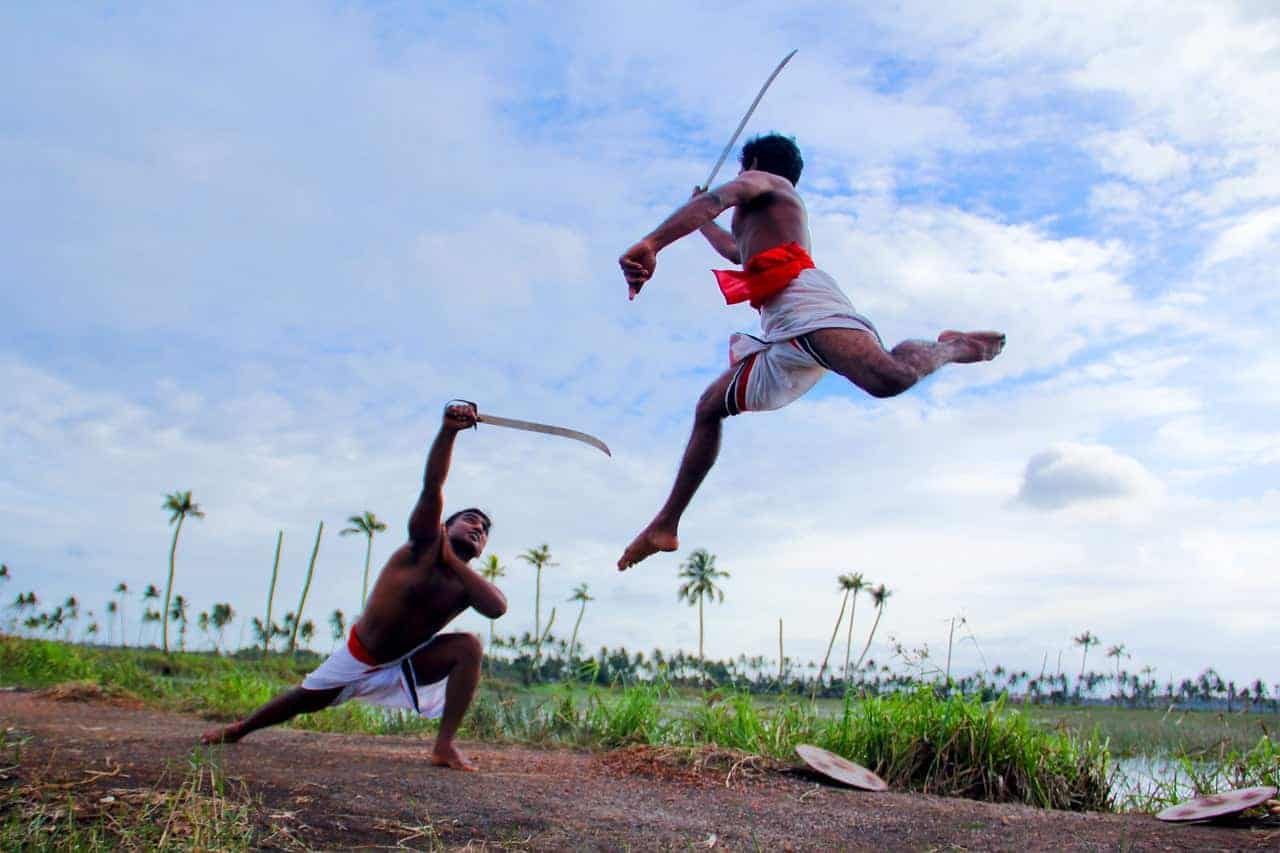
Kalaripayattu
Photo by Ginu C Plathottam

Martial arts is a combat style that has a rich and varied history through the ages of many ancient cultures. The martial arts we practice today all have their roots in these historical fighting styles, but what was the first martial art developed, and where did it come from?

Kalaripayattu is the first martial art that can be traced back to a combat sport that was actually used in combat on the battlefield. Kalaripayattu spread to China through the Indian Buddhist monk, Bodhidharma, who taught the technique to Shaolin monks and became Shaolin Kung fu.

Our modern forms of martial arts have their roots deeply embedded in ancient fighting arts, some from a variety of styles that originated centuries in the past. The first martial art ever created that we have historical evidence of may be surprising to many people!

What Was The First Martial Art?

Finding the origins of martial arts can be difficult due to historical records only being available for a limited time of our human history.

There may have been fighting styles developed prior to written history, but those styles will be lost forever due to no written or pictorial evidence of their existence.

The oldest known martial art, and therefore the fighting style being credited as the first known martial art, is Kalaripayattu. This martial art has a 3000-year-old known history and originated in the southwest regions of India.

Kalaripayattu, sometimes known as just Kalari, was a fighting style developed specifically for the battlefield, which is why it is considered by most to be the first true martial art. Wrestling has been around for longer, with depictions that it was used as a sport in ancient Egypt. However, there is no indication that wrestling was used on the battlefield.

Kalari was taught to men and women alike in India. The name of the martial art roughly translates to “practice in arts of the battlefield.” The martial art was invented to train the Indian people for battle. Some of the movements from the fighting style were introduced to many of the cultural dances of the time.

When Britain colonized India, the practitioners of Kalari were considered such a threat that the teaching and studying of the martial art were banned. The British took this so seriously that the punishment for practicing the art was either exile or death.

Kalaripayattu includes weapons training, strikes, kicks, formulated moves, grappling, and knowledge about pressure points on the body that can harm or heal.

https://youtu.be/oI84oM_bJeg

Which Country Used Martial Arts For The Very First Time?

The Country that shows martial arts being used for the first time is Egypt. A mural discovered in a tomb in Beni Hasan in Egypt unmistakably depicts a sequence of wrestling moves.

The mural is quite detailed in its depiction of several wrestling holds, takedowns, defenses against takedowns, and throws. The level of detail can imply that wrestling was popular at the time, and the mural is similar to a training manual.

However, there is no indication that wrestling in Egypt was ever considered a battlefield technique, so the only conclusion that can be drawn is that it was for sport. This is why Kalaripayattu is credited as the oldest martial art since it is known to have been used as part of warrior training for battle.

RECOMMENDED FOR YOU:
Freestyle Wrestling vs. Greco Roman: Key Differences and Comparison

Who Is Considered The Father Of ALL Martial Arts?

The man who is considered the father of ALL martial arts is a Buddhist monk named Bodhidharma. His existence is known, but his exploits are a mix of legend and truth. Bodhidharma was proficient in the Indian martial art, Kalaripayattu, which formed part of the combat training he taught. 

The exact time of his life is not known but thought to be either the 5th or the 6th century. He came from the western regions of central Asia and was credited with bringing martial arts and Buddhism to East Asia when he traveled to this region.

Bodhidharma began teaching Shaolin monks martial arts techniques, which was the birth of Shaolin Kungfu in China.

RECOMMENDED FOR YOU:
Bruce Lee – Why He Is Considered The Father Of MMA

Why Did Martial Arts Develop In Asia?

Martial arts developed in Asia firstly among monks and secondly among peasants who had no other way of defending themselves from attackers.

As the use of martial arts spread, it was taught to family and tribal clans who used these combat skills to fight other tribes and clans. Weapons were simple, and combat was hand to hand, which required the development of superior combat skills to defeat raiding parties from rival families or clans.

Emperors In China, particularly Huang Di, who was trained in wrestling and pole fighting, insisted that all his troops were trained in martial arts. Since that time, martial arts have become an integral part of soldier training in China.

RECOMMENDED FOR YOU:
Do Most Traditional Martial Arts Actually Work?

Why Was There Secrecy In Chinese Martial Arts?

It was a matter of survival. Chinese martial arts techniques were closely guarded ancient secrets and were only taught to clan members. The intent around the secrecy was to have techniques in their style that were unknown to rival clans and gave them an edge over their opponents in battle.

The traditions of each clan’s martial art were passed down from father to son, and the advanced techniques were only taught to those deemed worthy with proven loyalty to the family.

RECOMMENDED FOR YOU:
15 Rare Martial Arts You Have Never Heard of

Who Invented Martial Arts In China?

There is no definitive historical account for any one person who invented or developed martial arts in China. However, many legends and folklore attribute the Yellow Emperor Huangdi with firmly establishing martial arts in China.

Huangdi wrote many papers on various topics, from medicine to astrology and martial arts. Huangdi’s main rival at the time, Chi You, is credited as the founder of Jiao di, which was the precursor to modern Chinese wrestling styles.

What Is The Oldest Martial Art In China?

The oldest formal form of martial arts in China is commonly considered to be Jiao di, which was the founding martial art for modern Chinese wrestling, called Shuai Jiao.

Jiao di included strikes, throws, pressure point attacks, and joint manipulations among the techniques taught as part of the combat style.

RECOMMENDED FOR YOU:
What Is Sanda Chinese Kickboxing? Introduction To Sanda

What Is The Oldest Japanese Martial Art?

The oldest form of martial art known in Japan is Koryu, which, when translated, means old school or old style. The term had meaning for schools teaching an array of traditional arts. Ko-budo was the school that taught fighting arts.

Other terms that describe this original combat art were Koryu bujitsu, which was taught as a real-world martial art for use in actual combat on the battlefield.

While Koryu was the foundational martial art, it led to the development of many other martial arts in Japan, including Karate, Judo, Aikido, Sumo, Kendo, and Jujitsu.

RECOMMENDED FOR YOU:
What is Japanese Jujutsu? Here’s What You Should Know

Which Is Older Kung Fu Or Karate?

Kung fu is historically a Chinese martial art, while Karate is a Japanese martial art. Kung fu is the older combat art of the two and has influenced some of the moves and techniques in Karate.

Kung fu has more circular movements and relies on shifting weight and balance, while Karate is a mire linear fighting style.

RECOMMENDED FOR YOU:
What Are The Different Styles of Karate? Simply Explained

What Was The First Martial Art Added To The Olympics?

Wrestling is attributed as being the first martial art to be included in the Olympic Games, introduced to the Olympics in 708 BC.

Boxing made its first appearance in the Olympic games in 688 BC, 20 years after wrestling. Judo was the first Asian martial art included in the Olympic Games in 1964. Judo was not part of the 1968 Olympic game agenda but re-appeared in 1972 and has been included in the games ever since.

RECOMMENDED FOR YOU:
Is Brazilian Jiu-Jitsu (BJJ) an Olympic Sport?

Conclusion

Martial arts have a long history dating far back into the mists of time in human history. Martial arts are probably older than we think, but we can only go by sparse written and pictorial depictions. 

Even with the pictorial history, there is no conclusive evidence of the martial arts intention, so deductions have to be made.

From the history that can be pieced together, the Indian martial art of Kalaripayattu stands tall as the origin of martial arts and has influenced every martial art developed since!

How Many Times A Year Do UFC Fighters Fight? Fully Explained

0
Photo by Bad intentionz

MMA is a combat sport where you can’t see your favorite athlete compete every week or month. In fact, it may pass over a year until you can see them fight again. But why do UFC fighters compete so rarely, and why do some fighters compete more than others?

UFC fighters typically fight 2-3 times per year. Unranked and low-ranked fighters compete up to 5 times per year, whereas top-ranked fighters typically fight 1-2 times per year. Injuries, contract disputes, and medical suspensions are some reasons that impede fighters from competing more often.

In this article, I will further explain how often do UFC fighters fight, and why some athletes compete more than others.

How Often Do UFC Fighters Fight Per Year?

Champions and top 10 ranked fighters fight once or twice per year can be attributed to one of the following reasons:

  • Lack of PPV events – UFC holds around 12 pay-per-view events every year, and these high profile events are where champions defend their titles. If you consider that there are 12 UFC champions in total, you get why most champions fight only once per year as there are simply not enough pay-per-view events. 
  • High level competition – top level competition is much tougher and the risk of losing is much higher so top fighters prefer to take more time to prepare, and they usually avoid short notice fights. Simply put, top-ranked fighters are far more cautious about agreeing on who they fight and this may delay their next fight.
  • Work outside the UFC – high profile fighters are quite busy with building their brands, starting their own business, and doing a lot of media work.

Low-ranked and unranked fighters tend to fight more often. Some of them even compete up to five times per year as Kevin Holland did in 2020. The main reason is the fact that low-ranked fighters are eager to move up the UFC ranking, thereby accepting more fights with the aim of winning them all.

It doesn’t matter if it is a short notice call or they are not 100% ready, most low-ranked fighters are likely to accept any offer from the UFC. If they don’t, this means that some other fighter might seize their opportunity to move up.

In general, fighters outside the rankings also earn less money than ranked fighters do. For this reason, there’s a financial incentive for unranked fighters to accept more fights to earn as much as they can while climbing up the ranking.

RECOMMENDED FOR YOU:
How Much Do UFC Fighters Earn? – Here’s a Closer Look

Why Do UFC Fighters Compete So Rarely?

The following is a list of the main reasons why UFC fighters compete rarely:

  • Medical suspensions

Medical suspensions are the most common reason why UFC fighters have to wait a couple of months before they can compete again. Depending on the severity of injuries they have sustained in a match, fighters get from 30 days to 6 months medical suspensions.

After the fight, every fighter has to go through a post-fight medical check. If the fighter gets knocked out unconscious or suffers severe head injuries, the medical suspension, in that case, ranges from 3 to 6 months. In this time span, they are not allowed to spar or compete until the suspension expires. They get a couple of weeks for less severe injuries.

  • Injuries

MMA might be physically the most demanding combat sport. Fighters need to train up to 3 times per day 6 days a week to improve their game and prepare for a match. Training this much and sparring all the time means that UFC fighters are prone to overtraining and injuries. Sometimes, they can fight through the injury and show up on fight night, but in other cases, they must pull out of the fight and take a break of a couple of weeks or months to heal.

  • Match-making

Match-making is a complicated job because matchmakers need to deal with over 600 fighters on the UFC roster. On the other side, there are around 40 events per year (pay per view and fight night), and it’s really hard for matchmakers to offer all the fighters more than 3 fights per year.

Out of these 600 fighters, many of them deal with injuries, contract disputes, or medical suspensions. But still, it would be mathematically impossible for matchmakers to give all healthy fighters a chance to fight 5 or 6 times per year as there are simply not enough events.

  • Weight cutting

All UFC fighters go through a grueling weight-cutting process where they lose up to 20 pounds in a week leading up to a fight. They do this to compete in the weight class below their natural one and gain a physical advantage. However, cutting this much weight in a single week is fraught with danger, and it puts both your mind and body through huge stresses. 

After the fight is over, fighters need to spend some time recovering their body and mind from weight cutting. They can’t just take one week off and then go through another weight-cutting process. This is very dangerous and can lead to long-term health issues, and even be lethal in some cases.

  • Refusal to fight

UFC fighters, notably the ones who compete at the top level, often refuse to fight. In most cases, fighters who refuse to fight do that because they think their opponent is below their level and that they don’t have anything to gain in that fight. For instance, a #5 ranked fighter on a winning streak might refuse to fight against the #10 ranked fighter. They have nothing to gain in that fight, but on the other side, might risk losing a top 5 status in that division in the case they lose.

They also might refuse to fight because they want more money, or maybe they have a contract dispute with the UFC.

  • Personal issues

MMA fighters are humans too and they face various personal issues as all people do. Sometimes, they need to take a break to deal with the loss of the loved one, fix their marriage, spend more time with the family, or even bounce back from depression. One of the fighters who battled with depression was Ray Borg, and he refused a couple of offers from the UFC because he was coping with depression.

What Happens If You Decline a Fight In UFC?

Yes, fighters can decline the fight offered by the UFC and this happens all the time. Although they are under a contract with the company, fighters don’t have to accept the fight every time the matchmaker calls them. After all, no one can force a fighter to accept a fight offer if he/she doesn’t want to fight. But bear in mind that declining the fight comes at a certain price, notably when it comes to unranked fighters who are still working their way up and are yet to prove that they belong in the UFC.

First of all, fighters may have dozens of legitimate reasons to decline the fight. They might be dealing with injuries, medical suspensions, or some private issues within the family. In that case, the UFC would just search for someone else and offer you another fight once you heal up and start training.

But, some fighters may decline the fight because they want more time to train, money or they simply don’t like the opponent. In that case, the UFC would accept their decision and maybe offer them another fight in the near future. However, UFC may view this fighter as unreliable and would not give them the same treatment as they would to other fighters who are always willing to fight.

For instance, the next time a big opportunity comes around, they would not call you but rather a fighter who is eager to seize every opportunity to move up the rank to get a title shot.

The story is a bit different for high-level fighters who are a big part of the UFC brand and who bring a lot of value to the company. These fighters have higher negotiating power and can decline the fight if they are not satisfied with the terms without consequences. 

How Bad Do MMA Fighters Get Hurt?

According to data, MMA is a sport with the highest rate of injuries out of all combat sports. The worst type of injuries come via brutal knockouts, which may result in long-term brain damage like CTE. Fighters also often sustain various other serious injuries like:

  • Fractures (broken ribs, hands, legs, noses, jaw, orbital bone)
  • Torn ACL, PCL or meniscus
  • Joint dislocations
  • Muscle tears or strains
  • Deep cuts
Photo by Vladyslav Lohvin

Shortly after the bout, most fighters would not feel much pain due to high adrenalin. But the morning after the fight is probably the worst because this is where they start feeling every single punch or kick they have absorbed in a fight. Depending on the outcome, some fighters might feel light pain while others might feel like they have survived several car crashes.

“I think the thing that stands out the most is just being so sore that I can’t tie my own shoes, my wife will have to put my shoes on and tie my laces for me … I can’t touch my fingers to my thumbs. I had a couple of fights where my hands swelled up like lunchboxes after.” 

 UFC lightweight, Scott Holtzman (source)

Even if the fight goes well, most fighters would need a couple of weeks or months to feel normal again. Despite not absorbing much damage, their hands, legs, and elbows would feel sore, and they might have headaches and neck pain for a couple of days as well. And they also need to recover their bodies from brutal weight cuts.

It’s worth bringing up that fighters also get injured a lot in training. MMA fighters train up to 3 times a day, 6 days a week, and they do a lot of sparring which is very hard on their bodies. On a daily basis, they trade punches, kicks, powerful takedowns, slams, roll on the ground and practice submissions. Spending that much time on the mats hand to hand fighting with other skilled athletes significantly increases the rate of injuries, and this is the main reason why they get injured all the time.

https://youtu.be/Ov64wf8OLig
RECOMMENDED FOR YOU:
Do MMA Fighters Get Brain Damage?

How Often Do UFC Fighters Train?

Outside the training camp, most fighters hit the gym around 5 to 6 times per week, and they spend around 2 hours working out. They do this to stay in shape, maintain a healthy weight and work on adding new skills and weapons.

But once inside the training camp, UFC fighters train at least 2 times a day, 6 times a week. Some fighters go even further by training three or four times a day leading up to a fight. But the exact number depends on their schedule and the intensity of these workouts. For instance, they don’t spar every day or exhaust themselves by doing high-intensity strength and cardio workouts all the time. No, their training schedule needs to be well balanced to prevent overtraining and potential injuries.

Their weekly training schedule is a mix of striking, grappling, and ground fighting sessions. On top of that, they need to work on their strength and conditioning and maintain a healthy diet.

RECOMMENDED FOR YOU:
Why Are MMA Fighters Skinny And Don’t Have Big Muscles?

Who Had The Most UFC Fights In a Year?

As of 2022, the record for most fights in a year belongs to 10 UFC fighters who all had five fights each. Here is a list of all the record holders:

  • Chris Leben (5 fights in 2006)
  • Roger Huerta (5 fights in 2007)
  • Donald Cerrone (5 fights in 2011)
  • Daron Cruickshank (5 fights in 2014)
  • Neil Magny (5 fights in 2014/2015)
  • Uriah Hall (5 fights in 2015)
  • Ross Pearson (5 fights in 2016)
  • Thiago Santos (5 fights in 2018)
  • Greg Hardy (5 fights in 2019)
  • Kevin Holland (5 fights in 2020)

However, it’s worth bringing up that only Neil Magny, Kevin Holland, and Roger Huerta were able to win all five fights in a single year. The second place belongs to Thiago Santos and Donald Cerrone who had four wins.

What Do UFC Fighters Do After a Fight?

It really depends on the outcome. First, they have to go backstage where they have to go through post-fight medical checks before they can start doing interviews and other media work. After that, some UFC fighters would leave the arena and go home or directly on vacation, while in other cases, they might end up spending a couple of days in the hospital. But in most cases, they would go home to recover from the injuries alongside their family and friends. 

The thing is, UFC fighters spend around 2–3 months preparing for a fight. While in training camp, they go to the gym up to 4 times a day, and they do this 6 times a week. Some of them even travel to different states to train with top coaches, which means they are away from home for a couple of months. So once it’s all over, most of them prefer to stay away from the media and training for some time and focus on resting and spending time with their families. 

What Is The Minimum Recovery Time For a UFC Fighter Between Fights?

There is no such thing as the minimum recovery time. If a fighter sustains an injury in a fight, they must fully recover to be medically clear to compete again. How many weeks or months that would take depends on the type and severity of the injury they have sustained.

On one side, a fighter who got the job done without getting injured would be medically clear to fight the next week if they want. On the other side, a fighter who got knocked unconscious could be out of competition for up to six months.

RECOMMENDED FOR YOU:
Why Do MMA Fighters Take Ice Baths? Simply Explained

How Soon Can a UFC Fighter Fight Again?

UFC fighters can fight as early as the next UFC event if they pass all medical checks, and receive a green light from the UFC and athletic commission overlooking the event. This happened more than once with the most famous case being when Khamzat Chimaev fought twice in 10 days. But if they are injured from the previous fight, or have received a medical suspension, then the UFC won’t allow them to fight again. In most cases, fighters need to wait a couple of months before they can compete again due to various reasons like:

  • Medical suspensions 
  • Injuries
  • Matchmaking and contract disputes
  • Weight cutting procedures
  • Other personal issues
https://twitter.com/UFCView_/status/1285997076342542337?s=20&t=9j74itSUjnTWSaHrzm5_Jw

Is Creatine Good For MMA Fighters? What You Should Know

0

Disclaimer: The contents of this website, such as text, graphics, images and other material are intended for informational and educational purposes only and not for the purpose of rendering medical advice. The contents of this website are not intended to substitute for professional medical advice, diagnosis or treatment.

Creatine is a popular sports supplement. It’s worked its way into the gym world, used as a way to gain muscle mass fast. But is it used in the MMA? 

Creatine is widely used in MMA. It aids the development of muscle mass and boosts strength. It also helps to lower recovery times. The downsides are minimal. The side effects are mild and it isn’t viewed as a performance-enhancing substance by the USADA. 

Like most supplements, there are pros and cons to taking creatine. Keep reading to learn more about how creatine can affect MMA fighters. 

What Is Creatine?

Let’s start by getting a brief overview of what creatine is and how it can affect the body. Creatine is a substance that is naturally produced by the body. It is primarily used to provide muscles with energy during intensive activities.

In supplement form, you will be producing phosphocreatine. This increases your body’s store of ATP which is a molecule that carries energy within cells. As a result, those using it will be able to perform better during exercise. Typically, these benefits won’t last for long. In most cases, athletes will only feel this for 30 seconds, during a high-intensity exercise.

Is Creatine Good or Bad for MMA/Combat Sports? 

There are a few benefits that this supplement can unlock, including: 

  • Increased muscle mass
  • Lower recovery time
  • More strength 
  • Lowered chance of neurological disease

There have been numerous studies showing how effective this supplement can be. For example, a study from Bloomsburg University showed that taking creatine could improve weightlifting performance by up to 43 percent

For a more MMA-specific example, athletes who take creatine will be able to get better at delivering repetitive strikes, at a higher intensity. This has the potential to give them the edge needed to win the fight, as many bouts come down to the activity that occurs in the last 30 to 45 seconds. 

Do MMA Fighters Take Creatine?

In many ways, this supplement is ideal for athletes, like MMA fighters. It allows them to gain more strength while lowering their recovery time. Because of this, many trainers might recommend the athlete considers taking creatine.

However, it’s unlikely that they will use creatine all the time. This is because of the side effects that this supplement can have. Namely, it can make them appear bloated. 

This isn’t because creatine is fatty. The average scoop will contain around five calories, which can be burnt off within a few seconds. It does, though, cause an increase in water retention. This can sometimes have a pronounced impact. According to the International Society of Sports Nutrition, it’s standard to see athletes gain one to two pounds within the first week of using creatine. 

This can cause big problems when it comes time to weigh in because MMA fighters have to lose weight rapidly to make weight. Because of this, they will often stop using creatine when it comes time to cut weight.

RECOMMENDED FOR YOU:
Do UFC Fighters Get Drug Tested? – Fully Explained Here

What Are Possible Side Effects of Creatine?

No sports supplement is perfect. Because of this, there are some downsides that MMA fighters taking creatine might experience. This can include: 

  • Kidney issues. Some people report that creatine can lead to cramping and kidney failure. There is also the risk that it might cause dehydration if the fighter forgets to drink enough water. 
  • High blood pressure. This has the potential to cause problems for people who have diabetes. 
  • Dizziness and diarrhea. These tend to be fairly minor side effects, which will usually pass fairly quickly.
  • Mania. There is some evidence that those with pre-existing schizophrenia will have higher risks of manic episodes when taking creatine.  

How severe these effects become might depend on the type of diet being consumed. Energy drinks have been known to worsen dehydration, increase the risk of heart problems, and worsen muscle cramps. Because creatine is being given in a controlled environment, it’s unlikely that a professional MMA athlete is going to have a severe negative reaction to the supplement. 

If these side effects get worse, the MMA fighter will likely visit their doctor. In some cases, they will be unable to take this supplement. However, these side effects are usually fairly minor and will pass once the body becomes used to the supplement. 

How Much Creatine Should an MMA Fighter Take During Training?

The amount of creatine that athletes will take varies. However, there have been studies done to determine the optimal dose. According to research from the International Society of Sports Nutrition, athletes should start with a dose of 20 grams. This will need to be spread throughout the day in four doses of five milligrams. 

This dose level should be maintained for five to seven days. Then, the maintenance stage will begin and the required dose will fall. Only three to five milligrams will be required. 

There are some ways that the body’s absorption of creatine can be improved. One of the most notable ways of doing this is including meat as a regular part of the diet

Does UFC Allow Creatine?

The UFC bases its drugs policy on the recommendations of USADA. Interestingly, this organization doesn’t class creatine as a performance-enhancing substance. There are a few reasons behind this decision. First, as we’ll discuss later, it doesn’t put the health of the athletes at risk. 

But the more significant reason is that not all athletes will benefit from creatine. It’s only when paired with the right training program that the benefits begin to appear. Because of this, the supplement is not a determinant of success in the fight.

RECOMMENDED FOR YOU:
What is Banned/Illegal in the UFC?

What Supplements Can UFC Fighters Use?

There are a few other supplements that aren’t banned by the UFC. This includes: 

  • Protein powder
  • L-carnitine, though it can’t be taken via UV injection
  • Beta-alanine
  • Caffeine

Various other substances are allowed. Athletes can get a ruling on a range of substances by looking them up in the USADA/WADA prohibited list because all the UFC drug tests are conducted and evaluated by USADA.

Is Creatine Safe to Take?

One of the biggest concerns about any supplement is the potential health risks that it can pose. The popularity of creatine has sparked a lot of research from the medical community into what impacts it has on the body. 

As we discussed, many of the side effects associated with this supplement are fairly benign. Because of this, the focus has shifted to the longer-term implications that stem from this supplement. In this area, the research is less clear. 

However, initially, it seems like the health risks are relatively low. A study by The University of Memphis tested a group of 98 footballers over 21 months. During the study urine samples were taken and analyzed. At the end of this period, there was no significant difference in the health markers of those who took creatine and those who didn’t. 

This research was confirmed by a review from the Free University of Brussels. They looked at studies of people who had been taking creatine over the long term. This was defined as being up to five years. They found no significant changes to kidney function

What Are the Alternatives to Creatine?

There are no other supplements that replicate what creatine does. But there are some ways to get creatine naturally. These include: 

  • Eating more red meat
  • Eating lean fish
  • Taking an amino acid supplement
RECOMMENDED FOR YOU:
MMA Diet On A Budget To Improve Performance

Do Fighters Use Pre-Workout Supplements Before Fights?

It’s common for MMA fighters to take protein shakes and other supplements before they fight. Many of these will contain creatine. This is used to build strength and muscle before the bout. Afterward, it’s used as a part of the recovery process. 

Final Thoughts

Creatine has become one of the most widely used supplements in sport. It’s a common ingredient in muscle-building supplements and sports drinks. In MMA, it’s used in the training process, helping fighters gain muscle mass before a bout. However, it’s likely avoided during the weight cutting process, as it can lead to water retention. After the match, they will start using it again as part of the recovery process.