Home Blog Page 48

The Little-Known Pros And Cons Of Learning MMA

0
image credit:flickr@stroopsmma
Photo Credit:flickr@stroopsmma

The function of MMA continues to evolve in modern society. Today, self-defense and sport are the primary applications of MMA. However, there are lesser-known benefits of learning MMA as a hobbyist that can be discussed. There are also safety concerns and gripes when it comes to learning MMA.

Many natural questions arise as a result of this. Will learning MMA make you a better person? Can learning MMA replace your workout? To answer some of these questions and gain a better understanding of both sides of this discussion, let’s explore a growing argument about the pros and cons of learning MMA, so you’re better informed to decide for yourself.

MMA Is An Effective Self-Defense System (Pros)

Among the pros of MMA, the self-defense system has been proven to work effectively. Many techniques have been brought together and combined from different martial arts. For example, a single leg takedown taught in Brazilian Jiu-Jitsu will be taught with a modified head position to account for strikes from the opponent. In this way, the techniques continue to be developed for all situations to offer the most comprehensive self-defense system out there.

These skills have been tried and tested in competition against a trained opponent and they’ve also been tested on the streets. Even if the arts are practiced for sport, beginners can enjoy a great deal of carryover if they end up in a situation where they need to defend themselves

More notably, certain techniques revolve around using leverage to your benefit to overcome a larger, stronger aggressor. This is especially advantageous for genetically smaller and weaker individuals. If you learned a single martial art such as boxing, you won’t necessarily have an advantage against a bigger opponent.

Having the knowledge necessary to defend a friend or a relative can sometimes be the difference between life or death. With crime rates going up in many parts of the world, you’ll eventually run into a situation where you’ll need to protect yourself or someone else.

The confidence to pull off these techniques in stressful situations is also an overlooked part of self-defense. MMA teaches you the management of stress hormones like cortisol and adrenaline as well. Although MMA training is not the be-all and end-all of self-defense, it will give you a significant advantage over untrained or unarmed attackers.

MMA Offers Incredible Physical Benefits (Pros)

Be ready to enjoy many physical benefits if you choose to learn MMA. For starters, your coordination and control over your body improve drastically. Distance, timing, and balance are all factors that play a key role in MMA, and they get sharpened while you learn the arts.

Image Credit:flickr@stroopsmma

The sport is very dynamic, so you’ll learn how to put together combinations that flow. Even if you’re clumsy, training MMA will allow you to improve your coordination and become a better athlete overall.

Cardio is something everyone wishes they could improve. Aerobic conditioning is responsible for getting oxygen to your muscles efficiently. MMA training like hitting the heavy bag or skipping rope is a great way to improve your cardio. Better cardio will help you fight heart disease and leave you in a great mood.

One benefit that becomes more noticeable the longer you train is improved strength and flexibility. You’ll develop a lot of muscles that you don’t normally use in everyday life. You’ll even activate ones that you unknowingly neglect with traditional strength training. A lot of these muscles can get really weak if you sit for too long, so it’s important that you give them the training they deserve.

A lot of sports focus on one muscle group only. Cyclists and soccer players have strong legs. Boxers have strong shoulders and a core of steel. With MMA, you can rest assured it’ll be a full-body workout.

MMA Is Humbling And Instills Respect (Pros)

The Dunning-Kruger Effect states that people tend to overestimate their own abilities when it comes to an activity they’re incompetent at. MMA training serves as a reality check and breaks the mental delusion of competence. This delusion in and of itself is dangerous. In other words, a person could be in a high-risk situation and trick themselves into thinking they have it under control.

Before training MMA, beginners grossly mismeasure their ability to control a situation gone awry. Conversely, when those people start training MMA, they experience a period of humbling. The discrepancy in estimated skill and actual skill becomes apparent when they spar with a training partner or grapple on the mats. Although sparring is not as stressful as a real-life scenario, it does a great job of replicating the conditions in which MMA may be used.

MMA training helps us understand true threats and dangers. When someone is put in a compromising position in training or is defeated during a sparring competition, it acts as an indicator of the reality of violence. If this were real life, it would have ended much differently. It’s a motivator to act appropriately in public when altercations arise. Much of the population have no clue what to do in a situation where the stakes are high, and this is dangerous for all parties involved.

MMA Develops Self-Confidence (Pros)

MMA develops the confidence needed to achieve anything you set your mind to. When you begin your training, you may feel overwhelmed by the number of techniques you have to learn. However, the more you train, you will come to realize that you can hold your own and even overtake your training partners after a while.

In training MMA, you will begin to learn that you can accomplish anything if you put in the hard work and stay dedicated.

As alluded to previously, this benefit is one that transfers into other areas of life. Confidence to be more social is something you can look forward to if you decide to embark on this journey. Since you will be training in a discipline with other people, you will inevitably increase your social contact. You may find yourself asking questions to an instructor or working through a technique with a fellow student.

Improving the physical fitness and look of your body is an exceptional benefit. This will no doubt raise your confidence to another level. Regardless of which combination of martial arts you choose to train, they will burn hundreds of calories and improve your muscle to fat ratio also known as “body composition”.

Having the confidence to take risks in life is also another huge proponent of MMA training. If you’re someone who always plays it safe in life, MMA will teach you that intelligent risk should be embraced. It opens the doors to experimentation and play, and ultimately if you take a risk in training and it fails, you can always reset and go back to the drawing board.

MMA Comes With Injuries (Cons)

Injuries are prevalent in MMA, especially if you’re new to training. Since MMA is essentially learning how to fight, you can expect some chance of injury. Punching, kicking, and submissions are all activities where you’ll need to risk your body to improve at MMA. Also, your body won’t be used to the new movements you’re learning, and you’ll end up in some awkward positions. 

A study done by Joseph L. Torres, MD at the Florida Sports and Health Centre, concluded that most injuries were inflicted on the upper body. This is easy to see since the objective of a fight is to knock your opponent unconscious or submit them. Not only that, but all fights start standing up. This means that there is a higher chance striking will happen before the fight hits the ground.

Looking at the injuries on the upper body, arm injuries were the most common. One example of an upper-body injury is the armbar. It’s a common submission used in jiu-jitsu. An armbar works by hyperextending the elbow joint. The person on the receiving end of this nasty submission is forced to tap or end up with a broken arm.

Severe MMA injuries risk your mobility later in life and they can leave long-lasting, nagging effects.

MMA Is Not Weapon Proof (Cons)

Weapons have been getting much easier to get and they pose a serious threat to the general public if misused. The self-defense techniques taught in MMA do a decent job of disarming such an attacker. It’s not a blanket solution to the problem of weapons though. MMA can only go so far. At the end of the day, weapons can easily nullify MMA because of their ease of use and accessibility.

Some martial arts include weapons as a part of their practice. Canes, spears, swords, and daggers are all used in martial arts, just to name a few. However, the sport aspect of martial arts does not use any weapons and people generally don’t carry weapons in public, so the focus should be on unarmed combatants.

It’s much easier to be trained in the use of a powerful weapon. Likewise, a concealed carry of pepper spray or a similar substance is a more convenient option. For this reason, many people find the commitment of training MMA for self-defense obsolete.

MMA Does Not Deal With Multiple Assailants (Cons)

Taking on multiple assailants is nothing like you see in the movies. The hero is often surrounded by multiple enemies and they attack one by one, letting him defeat them. The obvious problem with this is that it’s unrealistic.

Can you realistically fight more than one opponent? Truthfully, no MMA style is fully adept at taking on more than one attacker. It depends on how well you are trained. At best, you may be able to knock out or submit one or two attackers. As soon as you get to four of five, things will change. Let’s hope that finishing one or two of the assailants is enough to discourage the others from attacking.

When dealing with multiple attackers, you’ll have to make sure that the fight stays standing. Once you hit the ground with one person. You’re at risk of being hit by kicks from the other person(s). How unskilled the group of people attacking you is a huge part of this equation, and probably the more important bit. Weapons factor in as well. If your attackers are unarmed, you stand a much better chance of survival.

If you’re wanting to learn MMA for the purpose of fighting many people at once, prepare yourself for disappointment. The fights that we see in movies are not an accurate depiction of reality. 

MMA Has Too Many Techniques To Master (Cons)

From jabbing to sprawling and guard passing, learning MMA can be challenging due to the number of techniques you need to master. One session you’ll be striking, another session you’ll be grappling and it can get overwhelming at times. On top of all that, you need a certain level of mastery to apply the techniques together to make them flow.

MMA is constantly evolving as new strategies are discovered. What may have been an effective technique at one time, might be obsolete now, and you’ll need to learn something completely new. Counters are also something that need to be mastered for every move. A counter is essentially a technique that nullifies or renders your opponent’s attack useless.

There are fundamental MMA techniques that are universally taught no matter where you go. Contrast this with the number of MMA techniques that are not shared across schools and you end up with a lot of different moves.

To expand this idea further, certain coaches will teach the moves they are personally exceptional at, leaving lesser-known moves on the back burner. This means that you’ll often encounter situations where you’re up against a move you’ve never seen before. Fear of the unknown is something you’ll have to embrace if you wish to learn, and master MMA.

Conclusion

Starting your journey to learn MMA can be tough and it comes with its own hurdles, but I can assure you it’s incredibly rewarding. It’s an intense, demanding workout and the benefits reach further than regular exercise. Learning MMA won’t make you a world killer, but it’s definitely a great skill to have in your back pocket, should the need to defend yourself, or another arises.

If your normal workout routine is getting a little stale, or you have a hard time dragging yourself into the gym, then you might want to drop into an MMA class. You’ll be glad you did.

Why You Might Be Surprised That MMA Is Safer Than Boxing

0

Editor’s note: The views and opinions expressed below are those of the author.

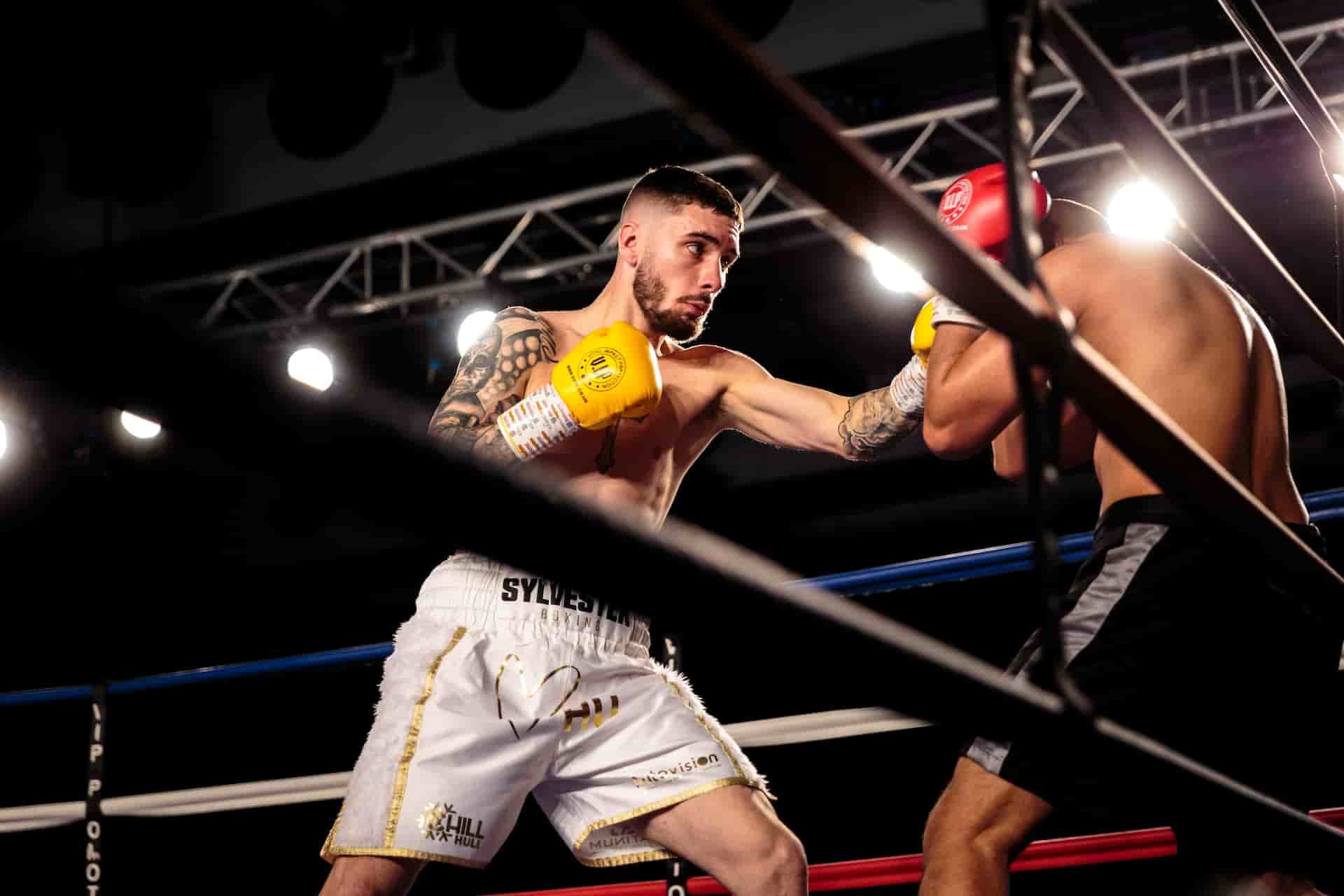
The sweet science of boxing has been prime household entertainment for over a century. To this day, it leaves us on the edge of our seats, craving more. However, past all the fun and fanfare, there are major safety concerns, as time and brute force have not been kind to their practitioners.

With the popularity of MMA rising, a lot of boxing fans are turning to MMA as an alternative. It is a sport that encompasses all the best elements of boxing and offers much more, but is much safer than boxing. This may not make sense to some because MMA fighting seems more brutal with kicking and elbow striking.

This is why I will illustrate surprising reasons why MMA is safer than boxing.

Is MMA Safer Than Boxing? (Data analysis)

MMA is safer than boxing when it comes to severe injuries that might impact your health in the long run. This primarily includes concussions caused by repeated blows to the head that may result in severe brain damage like CTE. Next are other facial injuries such as broken jaw, nose, orbital bones, and many others.

Boxing vs. MMA Injury Rate

MMA includes the highest rate of injuries out of all combat sports, which stands at 28 injuries per 100 athlete exposures. But since MMA fighters can grapple, fight on the ground, and strike using all limbs, including knees and elbows, the majority of these injuries are actually lacerations, arm injuries, neck injuries, hand/wrist injuries, knee injuries, and hematomas.

Boxing has a lower rate of 17.1 injuries per 100 boxing matches. However, these numbers only tell a partial story because severe injuries in boxing are far more common.

Boxing vs. MMA Concussion/Knockout Rate

Boxers are more likely to suffer severe injuries that will affect their health in the long run, which was confirmed by the University of Alberta’s Sather Sports Medicine Clinic research. Researchers looked into post-fight medical data between 2003 and 2013, and across this 10-year span, they have discovered that 59.4% of MMA fighters receive some type of injury in their fight, while boxers receive less, 49.8%. However, 7.1% of boxers got knocked out or lost consciousness, more than in MMA, 4.2%. So, in their conclusion, MMA is bloodier but less dangerous than boxing.

Another study carried out at the Central Queensland University in Sydney, Australia, discovered a higher rate of injuries in MMA. But the study also showed that head and neck injuries were more frequent in boxing (84%) than in MMA (64%). The concussion rate in boxing was 14%, much higher than in MMA, where it was “only” 4%. 

Lastly, one study showed that approximately 90% of boxers will suffer a concussion during their career, and 12.8% of all injuries are attributed to concussions. This is much higher than in MMA, where concussions account for 1.8% of all injuries.

Boxing vs. MMA Deaths

Boxing also leads to more cases of death. According to the Association of Boxing Commissions, 30 boxers have died between 2011 and 2019 (3.75 per year). According to the “Manuel Velasquez Collection,” which has been recording boxing deaths since the 1720s, there have been 1897 deaths in boxing between 1720 and 2019.

The death rate is much lower in mixed martial arts as of 2023, where 26 fighters have died since 1981 (0.565 per year); 17 happened in sanctioned bouts, while 9 happened in unsanctioned matches. It’s worth noting that no deaths occurred in the biggest MMA promotion, the UFC.

In conclusion, it is fair to say boxing is more dangerous than MMA because it includes a higher rate of head injuries and also leads to more cases of death.

Reasons Why Boxing is More Dangerous Than MMA

To better understand why boxing is more dangerous than MMA, you have to take different factors into consideration.

Boxing Is All About Punching, But MMA Is Not

MMA is a mix of grappling, clinch fighting, and striking. Apart from striking on the feet with kicks, punches, elbows, and knees, MMA fighters also spend a good portion of time wrestling in the clinch and fighting on the ground with submissions.

According to data, UFC fighters spend 10% of their fight time on the ground with someone in control and 15% of the time inside the clinch. They also attempt around 2 takedowns over a 15-minute fight on average.

On top of that, 21% of MMA fights end via submission finish, which is a much safer method than knockout as it does not cause serious injuries like concussions, while 29.3% of matches end via KO or TKO. As far as striking is concerned, MMA fighters spend around 60% of fight time at a distance and land around 4 strikes per minute on average (punches, low/high kicks, knees, and elbows), or 12 per 15-minute match. Much less than Boxers.

Boxers spend 100% of their fight time on their feet, and the striking rate is much higher. Unlike in MMA, punching in boxing is not evenly distributed across the entire body because most punches land on the head area. It all revolves around 5–6 different types of punches, putting them together into combinations and mixing them with footwork and head movement.

As a result, boxers absorb far more full-blown punches to the head area and suffer more knockdowns and concussions than MMA fighters, who spend a lot of time grappling and ground fighting and absorb far fewer strikes to the head.

Boxers Absorb More Head Strikes

Boxing is all about punching the upper body area above the waist. As far as the body shots are concerned, they primarily target the rib cage and liver, but the main target is the opponent’s head.
On average, boxers throw close to 800 punches throughout 12 rounds.

Heavyweight boxers throw less, around 500 on average, while in the lower classes, they can throw as much as 1,200 punches per match. The accuracy of these shots could be anywhere between 30% and 45%, which means that a boxer, on average, absorbs between 300 and 400 punches per match. Again, this varies between weight classes as heavyweights usually take around 100 hits, while the ones in the lower classes may absorb up to 500.

MMA fighters, on the other hand, throw and absorb far fewer direct hits to the head because there is a lot of wrestling and fighting on the ground. Even if you focus solely on striking on the feet, a lot of significant strikes that land are actually kicks to the legs or knees to the body.

For instance, Max Holloway holds a UFC record for the most head strikes landed in history, 274 against Calvin Kattar, which is below average for a boxing match in the boxing featherweight division.

As a result, around 66% of boxing matches end in a knockout, much more than 29.3% in MMA.

Boxing Gloves Cause More Severe Injuries

In professional matches, boxers wear either 8 or 10-oz gloves, which are heavier than the 4 oz used in MMA matches. At first, you may think that open-fingered gloves that offer less padding are more damaging. Ironically, heavier and more padded gloves actually cause more severe injuries.

MMA fighters have to be very careful and strategic when throwing hard punches while wearing thin gloves like MMA gloves. This is because there isn’t much padding inside the gloves to protect their hands, so they can easily break their hands while throwing hard punches.

Boxing gloves are heavier than MMA gloves, but boxers don’t worry about breaking their hands because the gloves provide enough padding to protect their hands during punching. Consequently, boxers tend to throw far more powerful shots without fear of injuring their hands during the fight due to padding, which can inflict more harm on their opponents.

Not All MMA Fighters Are Strikers

MMA is a sport dominated by wrestlers and skilled grapplers from various martial arts. According to statistics, wrestling has produced the most UFC champions in history, with Brazilian jiu-jitsu taking second place. Being a striker is just one of many styles, and knocking the opponent out is one of many ways to finish the fight.

These grapplers are all-around fighters, and they all know how to strike. However, their game primarily revolves around taking the fight to the ground, controlling the opponent from the top position, and finishing with submissions or ground and pound.

As a result, the entire UFC roster, which includes over 700 skilled MMA fighters, is split between grapplers, strikers, and hybrid fighters who mix both elements together. Training time is evenly split between striking, jiu-jitsu, wrestling, and cardio and strength workouts. The majority of MMA fighters spend more time grappling than striking in training because this aspect is technically more demanding and, in terms of injuries, much safer.

On the other side, every boxer in the world dedicates every single second of their training time to learning how to knock someone out using their hands effectively. Everything they do is aimed at improving their punching skills and power, and as a result, boxers absorb far more head strikes both in training and competition.

Boxing’s 10 Count Rule Can Be Harmful

Boxing and MMA are two completely different sports. One rule in particular makes boxing more dangerous, and this is a 10-count rule. When a boxer receives a hard punch and gets knocked down, the referee starts counting to 10, and downed boxers can use this time to get back to their feet. The referee will then check if they have recovered enough and give a green light to continue.

This is one of the most dangerous aspects of boxing because a boxer is often knocked out twice within a round. Two concussions in less than a few minutes are terrible in terms of brain injuries.

Boxers are known as super durable; for most of them, 10 seconds is more than enough to recover from a bad knockdown. Deontay Wilder famously knocked Tyson Fury out cold, but he somehow managed to get back up.

However, 10 seconds is insufficient for a fighter to recover from a concussion. Instead of giving up and going through the concussion protocol, the 10-count rule enables a concussed boxer to continue on and, in a lot of cases, get knocked out even worse the second time shortly after. And this second concussion significantly increases the chances of a brain injury.

MMA is different because there is no 10-count rule. When a fighter gets knocked out cold, the referee will immediately step in and stop the match. When a fighter gets knocked down and is still conscious, their opponent will usually follow up with ground-and-pound strikes, and the referee will stop the match as soon as the hurt fighter is no longer defending intelligently.

RELATED: What is the Boxing 10 Point Must System?

Longer Rounds Hurt Boxers Oore

According to the rules, professional boxing matches have between 4 and 12 rounds. The majority of high-level matches have between 10 and 12 rounds, with each round lasting 3 minutes in duration. This means that a boxing match lasts between 30 and 36 minutes in total, which is much more than MMA, which lasts 25 minutes at the maximum.

According to the unified rules adopted by all major promotions, MMA matches include 3 rounds, with each round lasting 5 minutes. The only exceptions are championship fights and main events that last 5 rounds, with each round lasting 5 minutes. In total, a regular MMA match lasts 15 minutes, while championship bouts last 25 minutes.

The math here is simple — boxing matches last almost twice as long as the ones in MMA, which further means more time for the fighters to absorb cumulative damage, get knocked out, and suffer severe injuries. Combine total fight time with the fact that boxers absorb much more head-strikers, and you get why MMA is safer.

RELATED: What Does the “Queensberry Rules” Mean in Boxing?

Longer Boxing Careers Damage Bodies More

Boxing has a much longer history and tradition, and it is more popular worldwide. It has also been a part of the Olympic Games, so the amateur competition is very strong.

In order to succeed and reach a high level, most boxers begin training at a very young age. The age limit in amateur boxing is between 13 and 39 years of age, and the competition is strong.

During their teenage years, young boxers spend a lot of time competing in amateur leagues and tournaments, and until they turn pro, they can have anywhere between 50 and 100 amateur matches on their record. This is on average. Bear in mind that there are successful boxers with over 400 amateur bouts on their records, like Gennady Golovkin (440 amateur fights).

The MMA world is completely different. First, amateur competition is not so important because the sport is not included in the Olympics, and winning titles at the amateur level is not considered a significant achievement like in boxing.

In contrast with boxing, MMA fighters can start competing in amateur competition only when they turn 18 and can stay at this level up until 40 years of age. And they usually have much fewer amateur bouts before turning pro, around 10 fights, for example, but this may vary.

The same stands for professional competition, where boxers tend to compete more often. In the early stages of their pro careers, boxers compete between 4 and 7 times each year, while the majority of MMA fighters compete around 3 times. UFC fighters, for example, rarely compete more than 3 times at any level.

So overall, boxers have much longer careers, and they compete more often both on the amateur and professional levels and are very likely to absorb more damage compared to MMA fighters in the end.

RECOMMENDED FOR YOU:
Is Boxing Good for Self Defense?

Why More Weight Classes In MMA Will Cause More Problems

0
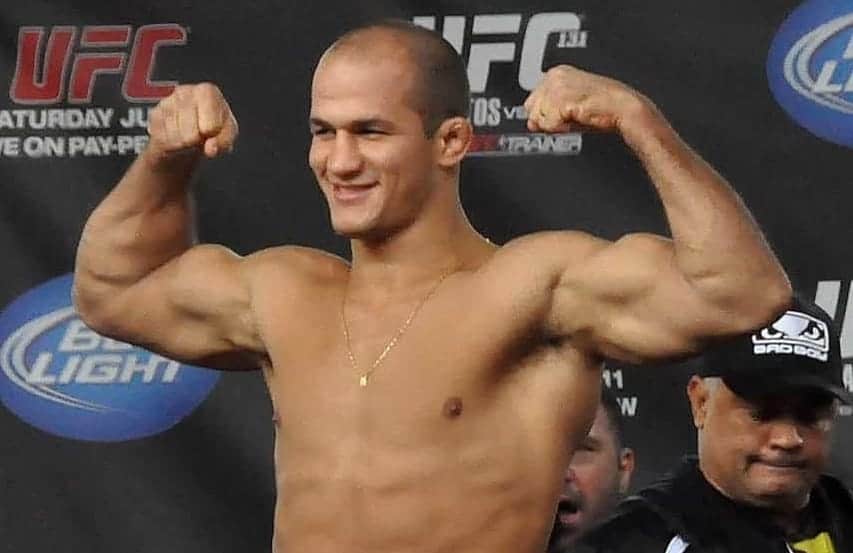
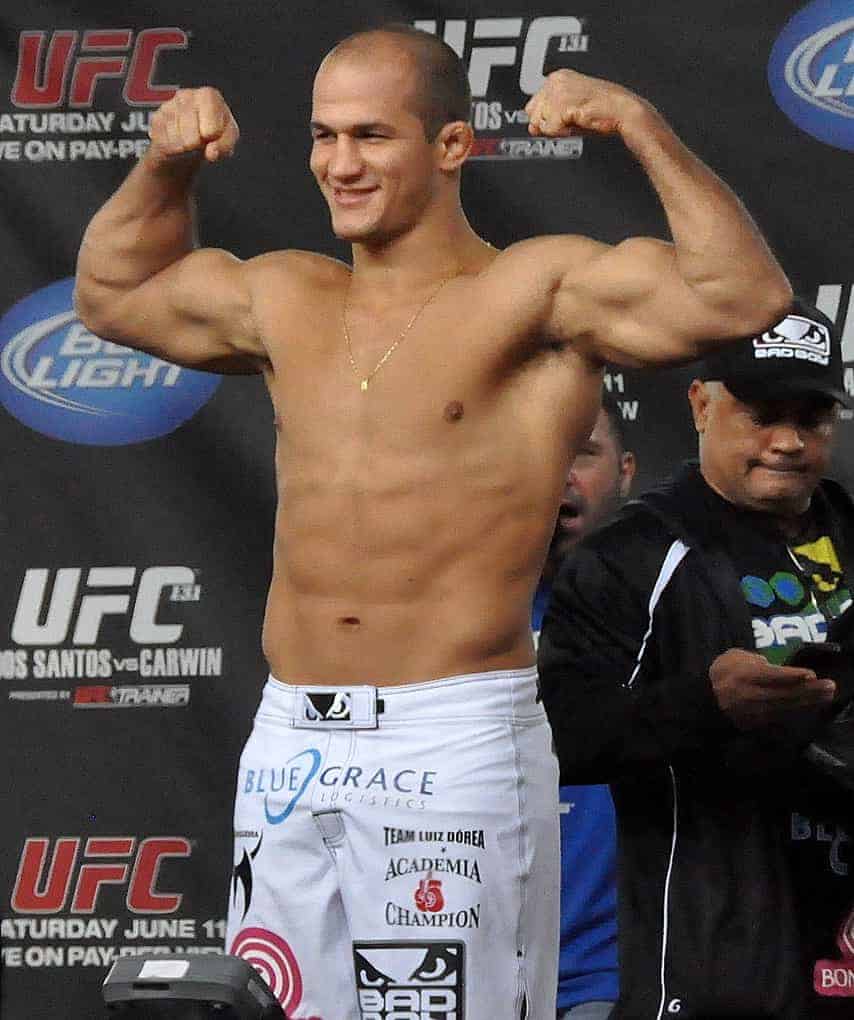
Junior Dos Santos (Credit: Peter Gordon via Wikimedia)

Editor’s note: The views and opinions expressed below are those of the author and do not necessarily reflect the views of mmachannel.com, its affiliates and sponsors.

Throughout its short history, mixed martial arts (MMA) have seen many changes that have had an impact on its incredible rise over the last two decades. From rules regulations, getting legalized in all states and signing multi-million television deals, MMA was always able to overcome all the issues.

However, a problem with fighters constantly missing the scale, pulling out of the fights or ending up in the hospital beds after the brutal weight cut has been around since the introduction of weight divisions in 2000. Many people, including the UFC color commentator Joe Rogan think that simply adding more weight classes to fulfill the 15-pounds gaps will completely solve the problems.

It seems like people advocating adding more weight divisions are looking at this issue from the different perspectives. It’s completely absurd to even think that the major MMA organization, the UFC wouldn’t implement more weight classes if that will help beat the competition, grow business and create additional revenue! 

The reality is, UFC was always trying to stay away from adding more weight classes. There are plenty of reasons for this, and we’ve decided to bring you closer to some of the potential problems that adding more weight classes in MMA may cause. But first, let’s look at the current weight classes and the proposed weight classes.

Current MMA Men’s Weight Classes

Weight ClassWeight
Flyweight125lbs (56.7kg)
Bantamweight135lbs (61.2kg)
Featherweight145lbs (65.8kg)
Lightweight155lbs (70.3kg)
Welterweight170lbs (77.1kg)
Middleweight185lbs (83.9kg)
Light Heavyweight205lbs (93kg)
Heavyweight205 – 265lbs (120.2kg)

*Proposed New MMA Weight Classes

Weight ClassWeight
Super Flyweight115 lb (52.2 kg)
Bantamweight125 lb (56.7 kg)
Super Bantamweight135 lb (61.2 kg)
Featherweight145 lb (65.8 kg)
Lightweight155 lb (70.3 kg)
Super Lightweight165 lb (74.8 kg)
Welterweight175 lb (79.4 kg)
Super Welterweight 185 lb (83.9 kg)
Middleweight195 lb (88.5 kg)
Super Middleweight205 lb (93.0 kg)
Light Heavyweight225 lb (102.1 kg)
Heavyweight265 lb (120.2 kg)
Super HeavyweightNo upper weight limit

Extreme Weight Cutting Will Continue

Many fighters cut a lot of weight to compete against smaller opponents. Losing a lot of weight and joining a lower weight class allows any fighter to enjoy considerable physical advantages and with that, maximize the chances of victory.

(Credit: fightlaunch via Flickr)

Some of them are able to cut more than the others and the size they carry inside the lower division is astonishing! For example, just look at top Britain’s prospect Daren Till and the size he’s bringing in the Welterweight division (170lbs). (photo of him and Tyron Woodley is a great comparison.). If cutting weight wasn’t a thing he would be competing as a Light Heavyweight (205lbs)!

Let’s suppose there is a hypothetical(as shown above) 165lbs division with two different fighters facing each other in a bout.  A fighter in the blue corner who cuts from 185lbs to 170lbs will now cut just 5 extra pounds and receive even more benefits.

On the other hand, a fighter in the red corner who cuts from 170lbs to 155lbs will torture himself less to make 165lbs division but would have to fight under tremendous physical disadvantages by facing a much bigger opponent who can easily cut more weight to fight smaller opponents!

Basically, more weight classes will solve one problem and on the other side create even bigger! To put everything simpler, it’s very possible that big welterweight fighters such as Daren Till or others would be willing to lose those 5 extra pounds and enjoy a massive advantage over lighter fighter coming up to fight at 165lbs division to cut less weight.

Without a doubt, adding new weight classes might save many fighters from going through brutal weight cuts, but will definitely not help smaller fighters facing a bigger man inside the Octagon. As you can see, the problem is not in the gaps between the divisions, but in the fighters themselves who look for a physical advantage. As the former UFC Champion Frankie Edgar once perfectly described:

I think people are always going to look for a way to get an advantage and cutting weight is going to be really tough to get people to stop doing that. – Frankie Edgar (source)

The Divisions Will Become Weaker

With more weight classes, many average fighters who don’t have the championship level set of skills would capitalize on this by switching to the next lower or higher weight class, and probably enjoy more success.

As a result, the rosters of new divisions will be less skilled and less competitive. The imbalance between the new and current divisions will negatively affect the overall depth of talent and we will see fighters constantly switching between the divisions.

Moreover, this will create the opening for many fighters to make a move towards new lower weight divisions and avoid facing the current, dominant titleholder.

For example, Alexander Gustaffson failed to capture the Light Heavyweight (205lbs) title on three occasions. With the talent and skills that he has, Gustaffson will absolutely dominate the new 195lbs weight class and crown himself as a champion without facing his bitter rivals in Jon Jones and Daniel Cormier. Would his championship status be considered the same as Jon Jones? We don’t think so.

This principle can often be seen in Boxing. Because boxing has tons of divisions, the promoters always have a hard time setting up an interesting fight for the fans. Basically, too many talented fighters are spread among too many weight divisions which allow them to avoid each other on their way to the top.

As a result, we constantly see top-level fighters smashing the unknown opponents and by doing so, diminish the public interest for the sport.

“We’ve always kept things simple. One of the things about boxing is you used to have junior middleweight, super-middleweight, and all these different weights, and it was hard to follow. You didn’t really know who was the champion, and this is pretty simple and easy to follow. We have enough weight classes.” – UFC President Dana White (source)

More Multiple Titleholders – More Problems

Adding more weight classes will mark the birth of triple or quadruple titleholders since the differences in weight between the next up or next down in weight division will be much lower.

The reality is, multiple titleholders are not able to defend all of their titles separately and this will prevent many talented upcoming fighters from receiving a media spotlight and opportunity to claim the golden belt

Fortunately, we have already seen the UFC taking on this concept and its ineffectiveness in practice. If we look at the first-ever UFC “Champ-Champ” Conor McGregor and his days as a Featherweight and Lightweight champion, we can clearly see the potential problem emerging.

The Irishman never defended his titles and as a result, many talented fighters in both divisions got prevented from moving forward and pursuing the ultimate goal.

By shifting our focus to boxing, we can see how confusing and bad things could get. Manny Pacquiao is an eight-division boxing World champion which is equivalent to holding the titles in all male’s UFC divisions! So, the math is simple: If a champion defends his title once a year, Pacquiao will have to fight eight times!

We can fairly say that additional weight classes and multiple titleholders would develop into the centralized concept which can lead up to the suppression of the divisions and fewer title fights! 

More MMA Divisions Will Lead to Saturation

Since its foundation, UFC has been concentrated on quality rather than quantity. As a result, UFC always had the necessary time to promote the events the right way, built an enormous hype and interest around the fights and make the overall experience unique.

Adding new weight divisions naturally requires more events. Like in the concept of multiple titleholders, the UFC partnership with the biggest Television sports network EPSN gives us an early look at the potential problems in the future.

Immediately upon the agreement, UFC and ESPN have decided to increase the number of fights and events. As a result, we’ve events almost every Saturday and MMA community is already lamenting having a hard time keeping up with the sport! In pure economic terms, this will ultimately lead to an economic surplus in which the supply of the UFC events is much higher than the public demands.  

Everyone Loses In The End

In addition to the saturation problem, new weight classes will certainly affect the consistency of high-quality events! What’s more, while the quality of the show would take a dive, the financial expenses would remain the same if not bigger. UFC already uses a large amount of every possible resource to keep the quality of production at the highest levels.

However, more weight divisions will force the promotion to go beyond its business limits and switch its costs to produce far more events.  At some point, it will become impossible to maintain the same quality as the revenues will start declining.

Let’s suppose UFC adds more weight classes to bridge the gaps between the current divisions. This leads to more fighters and more money to cover all the costs.

Straight away, they will need to re-budget their finances and cut the costs on all companies’ levels to cover the costs of these changes. This typically means reducing the fighter salaries, promotional expenses, broadcasting costs, and many others.

Final Thoughts

The grass is not always greener just because there are more weight classes. Advocating for more weight classes is an obvious and reasonable suggestion but as it might sound as good, it will actually lead to much bigger problems.

No matter what UFC and the commissions do, fighters will always find a way to benefit from the existence of the divisions. The only reasonable solution which will force every fighter to compete closest to their natural weight is to change the weighing system.

The Asian “ONE FC” promotion was the first one to introduce the concept of “walking-weight” competition which prevents the fighters from weight cutting. However, they’re still in the process of learning and discovering its benefits. 

Overall, pushing towards new weight classes at this stage of our sport could end up in a disaster as additional weight divisions will not solve any of the current issues in MMA. At the end of the day, weight cutting is a fighter’s choice! 

Top 10 Reasons Why MMA Is The Hardest Sport

0
Photo by John McStravick

Editor’s note: The views and opinions expressed below are those of the author and do not necessarily reflect the views of mmachannel.com, its affiliates and sponsors.

Every sport is unique and consists of levels of difficulties and challenges. Becoming successful or mastering the one requires a tremendous amount of effort, dedication, and sacrifice. Whether it’s basketball or football, there is no easy way out.

However, when it comes to MMA fighting, most people underappreciate its difficulty. What’s more, some consider MMA as an inferior sport compared to others.

This couldn’t be further from the truth as MMA is arguably the most difficult sport in the world. The reason why most people do not see this way is that they do not know what it takes to become an MMA fighter.

Watching them performing inside the cage, one can quickly develop an incorrect perception about their lives and difficulties they are facing every day. No matter how tough you think you are, not everyone can compete in MMA. 

To prove our point, we have decided to dig deep into what makes MMA the hardest sport in the world and countdown the top 10 reasons that will certainly change the way you see the MMA fighters.

10. Fighters Cut A Lot Of Weight

Many MMA fighters cut a lot of weight before the weigh-in to be eligible to fight in their respective weight divisions. This is one of the hardest parts of the MMA game that doesn’t involve any fighting. What’s more, for many fighters weight cutting is harder than the fighting itself.

The majority of world-leading promotions like UFC have an eight-division weight system. The gaps between the divisions are varying from 15-20lbs. As a result, many fighters are putting themselves through hell and back to cut massive weight and compete in a lower division from their natural.

In a week leading up to a bout, fighters are not eating carbs, fruit, sugar or starches. Also, they are dehydrating themselves to lose weight as fast as possible. As a result, fighters can lose an astonishing 20-30lbs in a single week. However, extreme weight cutting is a massive shock for a fighter’s body and mind. We all remember the famous video of Cris Cyborg losing her consciousness, crying, and screaming during the weight cutting process.

On many occasions, extreme weight cutting can lead to serious consequences and even deaths! We all remember UFC champion Khabib Nurmagomedov experiencing life-threatening consequences after the brutal weight cut before UFC 209. Without a doubt, weight cutting alone makes MMA a very difficult sport.

9. Quick Decisions In A Split Second

MMA fight is a human chess match. Fighters are constantly reading each other’s actions and adapting to a variety of unexpected situations. In case the opponent switches up the strategy in the middle of the bout, a fighter needs to quickly adapt to new circumstances and counter in the most effective way.

Considering everything happens in split seconds, a fighter must know when is the right time to attack or back off. Quick thinking and concentration are a must because one miscalculation can result in a devastating knockout.

However, this is easier said than done. With thousands of people roaring inside the arena and millions watching the battle at home, it takes a special mindset to let everything go and concentrate on a fight.

What’s more, things get even more difficult when a fight is not going your way. With the back against the cage and lungs gasping for a breath of fresh air, one can easily enter a panic or survival mode. The difference between the average and successful fighter comes with the ability to promptly react, find the solution, and overcome these difficult scenarios in seconds.

8. Requires A High Level Of Conditioning

In MMA, endurance is the bread and butter of every fighter. While possessing elite striking or grappling skills is important, what is just as important is the ability to keep high levels of energy and strength over an extended period of time. What’s more, having top conditioning can make a massive difference in a fight.

It takes a tremendous amount of energy for a fighter to constantly move and switch between striking, wrestling, and grappling exchanges. Right from the first exchange, the oxygen will start to deplete from the body at a rapid pace. As a result, fighters with bad endurance will start slowing down and their chances of victory will diminish.

When basketball or football players get tired, they can call a timeout or request a substitution. In MMA there’re no such things, you either last until the end of a fight or not

On numerous occasions, we witnessed a fighter with elite-level skills gassing out in the opening minutes and becoming a sitting duck for the rest of the fight due to the lack of endurance. What’s more, these fighters are often overwhelmed by the opponent with less skill but with a superior conditioning. Some famous UFC fighters who have built their careers on top conditioning are Nate Diaz, Tony Ferguson, and Max Holloway.

However, improving conditioning is very hard, and it takes a lot of dedication and pushing your body and mind over the limits of sustainability. Fighters are spending many hours performing the workouts such as jump rope exercises, swimming, sprint runs, and high altitude training.

If you are an MMA fighter, check out Tips To Improve Endurance For MMA Fighters!.

7. MMA Requires Durability

MMA fighters are probably the most durable athletes in the world. It’s always fascinating to see them receiving a clean head kick and continuing to march forward. In MMA, fighters get hit a lot and it’s crucial for them to maintain the ability to shake the strikes off and continue. Without it, a fighter will crumble after the first punch.

When we receive a full-blown punch to the head, our equilibrium is rattled and we become disoriented. Also, if you recall any knockout, you may remember the fighter’s legs giving up first. Sometimes, the fighter falls instantly or goes on a “chicken dance” as Kevin Lee did against Edson Barboza.

In order to improve durability, fighters are focusing on strengthening the neck muscle groups by performing various exercises. The former UFC champion Tito Ortiz is probably the man with the biggest neck in combat sports history. Having a thick neck like Tito will prevent your head from violently snapping back when receiving the shot and the brain from moving all over the skull.

The truth is, not everyone can take a punch or get comfortable with receiving the hits all the time. Some fighters like Mark Hunt are simply born with the ability to sustain more beating than the others.

Many fighters try to improve the durability by intentionally receiving the punches to the head and body. However, this is not medically proven to work. Plus, there’re no clear methods or solutions on how to improve durability in spite of what many experts claim.

Also, mental toughness and strong physical attributes play no role in this as well. The reality is, not every human can take a punch and many MMA careers have failed because of this. That said, durability is one of the biggest reasons why MMA is so difficult and not every human can compete in it.

6. Need To Have A Strong Background In Some Discipline

If you want to succeed in MMA, you need to have a strong background in at least one fighting discipline. The majority of top fighters and champions have already come into MMA as accomplished athletes in different martial arts.

For example, elite fighters like Henry Cejudo and Daniel Cormier have a very strong Olympic wrestling background. Also, rising star Israel Adesanya was a multiple champion in kickboxing before switching to MMA, and Damien Maia is one of the most accomplished BJJ grapplers outside the octagon.

With their backbone skills in place, fighters learn and add other skills around their strongest skillset to best utilize their main skills.  This way, a fighter with a strong base can counteract the opponent’s best skill. In addition, fighters with backgrounds in combat sports maintain the ability to learn new techniques much faster.

Achieving high success in MMA is almost impossible without some type of strong martial art background. With almost every fighter possessing previous fighting experiences, you must be a rare talent to quickly learn all the styles and be competitive.

5. You Can Get Seriously Injured

Unlike in other combat sports like Boxing or Kickboxing, there are many different ways to finish the fight in MMA. The sport allows any athlete to throw wild strikes and submissions that can result in horrific injuries. Over the years, Muay Thai style emerged as the most devastating one. 

For example, Muay Thai fighter will put strong pressure on you against the cage and start targeting your face with brutal knees and elbows. This can lead to serious injuries like concussion and deep laceration. Furthermore, if the flying knee lands properly, the results could be devastating.

Speaking of knees and consequences, take a look at the brutal flying knee landed by Michael “Venom” Page on Evangelista dos Santos at Bellator 158. A strike fractured Santos’s skull and he was carried out of the Octagon and put right on the surgery table. Also, we all remember the massive blood loss from Chris Weidman’s skull after the Yoel Romero landed that famous flying knee.

Although these scenes are not glamorous, they are the main part of MMA fighting. You have to accept the fact that at some point, you will sustain serious injuries both in training and fighting. 

4. Fighters Must Be Mentally Tough

Mental toughness is probably the biggest weapon of any MMA fighter. Although this is often overlooked, many experts suggest that fighting is 90% mental and 10% physical. Basically, you can have all the skills in the world, but the lack of control over the emotions and focus can instantly affect anyone’s performance in the fight.

MMA is an individual sport in which all the pressure, fears and stress are on fighter’s mind. In basketball and football, players can split shame and blame between themselves. In MMA, you have to deal with this alone. A fighter needs nerves of steel and a big heart to successfully deal with the mental stress of adversaries.

Fighters may look confident during the pre-fight media work but the “fight anxiety” is the real thing. When you’re locked inside the cage with a man wanting to knock your head off, you’ll experience a high mental pressure of fighting. This represents the main reason “not everyone can compete in MMA”. Most of us will instinctively run away from any physical confrontation due to the natural fear of experiencing serious injuries.

Furthermore, fight anxiety will instantly affect anyone’s performance in a fight. Most commonly, this will increase the heart rate and the oxygen rushing through the body. As a result, a fighter will gas out very quickly and your mind will enter a panic mode. To prevent this from happening, fighters must have mental toughness.

3. You Have to Master Multiple Fighting Styles

MMA incorporates almost every hand-to-hand combat sport in the world. Training and becoming proficient in one fighting discipline is already very hard, much less achieving the same levels in multiple combat sports is beyond imaginable. However, to succeed in MMA, an athlete must be well-versed around different martial arts.

What’s more, a fighter needs to execute this combination of styles in harmony. That said, it’s not surprising to hear that MMA athletes are among the most talented and gifted athletes in the world.

Furthermore, you need to prepare yourself for all possible fighting scenarios. Whether it’s a Muay Thai fight on the feet or grappling exchanges on the mat, the one-dimensional approach simply doesn’t work in MMA. As a fighter with exceptional kickboxing skills, you still need to master Jiu-Jitsu and defensive wrestling techniques.

The same thing is true for a wrestler who can get destroyed on the feet by the Muay Thai fighter. No matter how proficient you’re in one discipline, the lack of a rounded game will catch you at some point.

MMA fighters must learn various styles to compete inside the cage and prepare themselves for every possible scenario. During the single week, they usually spend time mastering the following styles:

  • Wrestling
  • Muay Thai
  • Brazilian Jiu-Jitsu
  • Boxing

 2. Keep Up With The Dynamics Of MMA Techniques.

MMA sport is still young and the fighting techniques are constantly evolving. As said above, fighters must learn various fighting styles to compete inside the cage. But, one must continue to learn different techniques that are utilized by other fighters. 

Unlike other sport like boxing, MMA is a dynamic sport that keeps evolving. Every year, we can see young talents like Yair Rodriguez or Israel Adesanya bringing the new elements of striking or grappling techniques. In order to stay competitive, a fighter must have the ability to follow the trends and add new techniques in their game as fast as possible.

Basically, there is no such thing as mastering in MMA. Being an MMA fighter is a continuing learning process. Logically, new techniques are a product of the evolution of training systems. This means you will have to spend more time and energy in the gym than you normally do. 

The reality is, what a fighter learned today may not be as effective in the foreseeable future. A fighter must be adaptable and open to learning new techniques to apply them inside the cage.

1. Possible Permanent Injures.

During their careers, MMA fighters are constantly putting their minds and body through huge stresses and injuries. Knockouts and broken bones in sparing and fights can lead to many long-term injuries and illnesses.

A study performed in 2014 indicated that the rate of knockouts and stoppages in MMA is higher compared to the other combat sports. Furthermore, fighters between 36-40 years are knocked out more often than the younger fighters.

All these studies are showing us that the brain and body are slowly giving up on the fighter over time. In addition, many other studies such as the one published by “International Environmental Research and Public Health Institute” are suggesting that the dangers of MMA can develop into Chronic Traumatic Encephalopathy (CTE).

In 2013, the “American Academy of Neurology” investigated the connection between the duration of the fighter’s career and the development of brain injuries. The results showed the fighters with more than 5 years of MMA experience will lose critical brain capacity and with that the ability to memorize and learn things.

10 Reasons Why MMA Is Better Than Boxing

0
credit: flickr@MartialArtsNomad.com
Photo Credit: flickr@MartialArtsNomad.com

Editor’s note: The views and opinions expressed below are those of the author and do not necessarily reflect the views of mmachannel.com, its affiliates and sponsors.

Professional boxing has gone through quite a journey. It’s been around for about 100 years which makes it much older than MMA which has only been around for almost the last 30 years.

As boxing fades into the background, the popularity of MMA is rising. This begs the natural question, why? In an attempt to answer this question let’s look into 10 reasons why MMA is better than boxing.

1. MMA Is Not One Dimensional

You see it all the time in boxing. The same pattern of punches over and over again. Jabs, hooks, crosses, uppercuts, etc. A boxer has very limited options when it comes to securing a victory. If he can get good at those, he can just rinse and repeat. Sure. he will need to modify his game plan a bit here and there but when you tune in to a boxing match, expect to see the same thing, over and over.

In boxing, you’ll either punch to the head or the body to damage your opponent and win. This makes it a very predictable sequence of events. Sure, there is also the complexity of head movement and footwork, but these are found in MMA as well in a more developed state.

In MMA, the fighter has to incorporate stance, posture, and head movement to not only protect themselves from punches but also kicks, knees, elbows, and takedowns.

Boxers are trained to go up against other boxers. So their styles are also developed in a vacuum. Boxers don’t have to adapt their boxing to counter a kick or look out for an incoming takedown. As a result, this hamstrings the self-defense aspect of the art and highlights the sport aspect.

MMA, on the other hand, is different. If you’re a fighter looking to bring a specific style into the arena, it has to be adapted for any situation. A jiu-jitsu fighter or wrestler now has to shoot in for a takedown while looking out for an incoming punch.

This is great because it allows their specific discipline to evolve as well! All of a sudden, you have a better version of wrestling. Not just wrestlers against wrestlers. MMA lends itself to every style of fighting and acts as an evolutionary force, not only making better fighters but making martial arts better as a whole.

2. MMA Has A Deeper Talent Pool

The talent pool in MMA is much deeper than that of boxing. You see belts switching much more frequently in MMA and rankings being shifted dynamically every single card. Every division is stacked and you don’t know who will climb through the rankings and be the next champion.

Boxing is a little staler in this regard. It’s a sport that’s focused on records. A boxer with a record of 90-0 is praised for such a feat and these records are often inflated due to them fighting every Tom, Dick, and Harry.

In MMA, you’ll see some of the most talented fighters and Hall of Famers with a stack of losses on their record. That’s because they’re fighting the right people. People who can expose their stylistic weaknesses. You either win or improve.

As a result, the fighter improves on those weaknesses and comes back even stronger. There’s also something attractive about that kind of vulnerability. We gravitate more towards champions we can relate to.

3. MMA Is Evolving

What’s more exciting than watching something grow and develop? For the past few decades that MMA has been around, we’ve seen new techniques and disciplines enter the sport, old techniques refined or go extinct, and entire divisions introduced into the sport.

Additionally, if you’re an MMA fan, there’s lots more to come. The sport is still going through a plethora of changes and improving rapidly. Who doesn’t want to be a part of history?

4. MMA Is Not Corrupt

Even if you’re not a huge boxing fan, you’ve seen the narrative far too often in Television and movies. A boxer is set up for a fight and receives a payout under the table to lose their bout. The world of boxing is often riddled with corruption and its hard to watch when you don’t know if your favorite boxer was paid to take a fall or if he really lost on account of his skill.

The transparency of the big MMA organization like UFC is definitely one thing that tilts the favor towards MMA. If something doesn’t go right, the organization mirrors the same frustration as the everyday, casual fan. This is because the fans are the lifeblood of MMA.

Boxing has an inverted sense of this. The ranks are controlled by a few, elite billionaires without the casual fan in mind. This corrupts the integrity of boxing further, and all of a sudden the fights are about money and not representative of who the best fighter is. 

5. MMA Is More Conducive To A Real-World Scenario

Picture this, you’re in the club minding your own business and a drunk stranger comes up to you and starts shoving you. Backed up against and wall and nowhere to run, you’re out of options. He throws a right hook, and chaos ensues.

Now, if you’re like me, you wouldn’t hold back from doing what needs to be done to take this guy out. You’d maybe throw a straight right, or you could shoot in for a double leg. The possibilities are endless.

This is where boxing fails. If you’re only trained in boxing, you won’t have a 100% carry over into the real world. MMA, on the other hand, will prepare you for almost any situation. If you’re trained in a ground-based martial art such as Wrestling or Brazilian Jiu-Jitsu, as soon as you take your attacker down, you’ve taken him into deep water, and you’re the shark. 

Barring the obvious offenses like groin shots and eye pokes, MMA has much more fluid carry over into the real world. In the real world, anything goes and this is why MMA will serve you better if you’re looking to get into a sport or hobby.

6. Shorter Rounds In MMA

No one wants to watch a boring fight. With 12, 3 minute rounds. A lot of energy conservation is happening in boxing. At any given point in the fight, most fighters are not putting the pedal to the metal, looking to finish, and that’s the problem.

Boxing is focused on playing it safe. MMA, on the other hand, is a bit different. It puts this equation on its head and offers longer round times and fewer total rounds. While fighting smart and safe is promoted, a standard MMA fight offers 3, 5-minute rounds. This gives the fighters a lot more liberty to show us their best.

Often times, fighters come prepared to go 5, 7 or even 10 rounds. It’s a winning situation for everyone involved. Shorter fights drastically reduce injury which means your favorite fighter can jump back into the cage in a matter of months.

The fans also win because fights are much more exciting. Explosive techniques are used far more often without the fighter needing to worry about a depleted gas tank.

7. Fewer Organizations In MMA

If you have a busy life, you don’t want too much more on your plate. Boxing is a four-course meal with appetizers and dessert. There are far too many organizations to follow.

With the WBA, WBC, IBF, WBF and more it can get messy. Each organization has its own champion and there’s even champions with multiple titles from varying organizations. This creates a lot of confusion and even the average boxing fan doesn’t know who the best is anymore. Being a champion doesn’t hold the same merit as being a champion of the world.

Although MMA isn’t much different, it does a much better job of unification. UFC is the premier MMA organization around the world. Being a UFC champion is akin to being the best fighter in your division.

A few copycat organizations have popped up over the years, like Strikeforce and Bellator, but the UFC has a pretty good hold on retaining the best fighters there are. Also, there’s not a whole lot of debate when it comes to naming the best fighters in each division.

8. Better Matchmaking

In MMA, there’s very little ducking or dodging, if any at all. If a fighter is injured for a prolonged period of time, an interim belt is created to appease the crowd’s appetite and if the champion continues to remain absent without a good reason, a new champion is crowned.

To prove you’re the best, you have to beat the best. Boxing, on the other hand, is more focused on padding up records. They will give an up and coming fighter a few easy fights and build him up. These mismatches create boring fights. I can watch a lot of the undercard fights during an MMA event and find many exciting fights.

The UFC’s process is very streamlined. There are very few people who call the shots and make the matches. Unless boxing employs this system, it’ll be left in the dirt.

9. Fewer Weight Divisions

There are 17 known weight classes in boxing today. Throw in all the boxing organizations as well and that’s a lot of champions. No casual fan can keep track of all that. Narrower weight classes also create the problem of fighters jumping between weight classes.

At first, it sounds strange, but if a fighter can be in three different weight classes and still perform at the same (or a similar level), it makes the other two divisions redundant. The fans get the same level of talent being displayed across multiple weight classes and this bloats the organization.

Have fewer divisions centralizes the talent and motivates great fighters to go up against other great fighters because there’s a belt on the line. Again, this is a winning situation for the fans as it breeds a higher level of fighter.

10. Head Injuries

It doesn’t take an expert to know that taking repeated blows to the head isn’t exactly the most ideal outcome. While head injuries are also prevalent in MMA, the interference of other styles dilutes this factor. A lot of retired boxers slur their speech and need subtitles to get through an interview.

The proof is in the pudding. The frenetic pace of MMA and shorter rounds also promote one-punch knockouts which are arguably much safer than repeated blows. Add in the chokes, takedowns, clinching, and other aspects of MMA and you pretty much have a no brainer. Although MMA isn’t the safest sport out there, I think it blows boxing out of the water in this regard.

Conclusion

MMA is here to stay and with each passing day, it enjoys new success based on what it’s doing right. Boxing won’t disappear anytime soon, but we can safely say MMA is taking over as the premier sport of choice in the combat sports world.

Boxing still has tremendous potential to grow if it tears a page out of MMA’s playbook and implements changes that will put it back on a healthy track. Likewise, MMA can benefit from the history of boxing and avoid the mistakes it’s made in the past.

10 Greatest Female MMA Fighters Of All Time!

0
@flickr xploitme
Photo Credit: flickr@xploitme

The history of women MMA is much shorter than MMA itself. However, since the 2000s we have the privilege to watch a more attractive side glazing our bellowed sport and proving that men and women are equal when it comes to the fighting business. The fact that we’re speaking of “10 Greatest Female MMA Fighters of All Time” after this short period, speaks a lot about the mainstream rise of Woman MMA.

The popularity of female gladiators exploded in 2013 with the arrival of the pioneers from Strikeforce to the leading UFC promotion. Considering how everything played out, we can’t escape but instantly remember the UFC chairman Dana White firmly stating the UFC audience will never see women fighting inside the Octagon!

Just two years later, UFC would open its doors for women fighters.  The pioneers of woman MMA such as Ronda Rousey and Gina Carano helped the sport growing at the rapid pace and female’s cage fighting skyrocketing! With the help of marketing experts, female fighters became so popular and present that we just can’t imagine our sport without them!

Without further restraint, let’s count down 10 greatest female MMA fighters of all time below!

10. Cat “Alpha” Zingano

Though she hasn’t won UFC or Strikeforce belts, there are plenty of reasons why Zingano deserves a spot on our list. Above all, Zingano actually KO’d the great UFC Bantamweight champions Amanda Nunes and Miesha Tate in no title bouts!

Initially coming from the wrestling background, popular “Alpha” is a 4-time All American wrestling champion and the 2010 ADCC North American submission wrestling Champion (60kg).

Apart from the obviously exceptional grappling skills, Zingano enjoyed great boxing skills and natural power which she demonstrated by scoring many devastating finishes! However, this wild and aggressive approach would backfire on her in the most important fight of her career.

Many thought she could be the “chosen one” to defeat the all-time great Ronda Rousey. To support this claim, Rousey never faced a level of grappling or standup skills that Zingano had to offer in her prime.

At UFC 184, Zingano made the biggest mistake of her career by relentlessly charging at Ronda without any plan and ending up being submitted after just 14 seconds! 

Zingano never recovered from this loss and she went 1-3 inside the Octagon before leaving the Company in 2019.

9. Miesha “Cupcake” Tate

Throughout Tate’s career, she demonstrated incredible offensive wrestling capabilities which combined with slick submission game made her a tough matchup for anyone. What’s more, with the great boxing and Muay Thai skills, she is one of the first well-rounded female athletes. 

In the mid stages of her career, Tate captured the Strikeforce Bantamweight title but her days as a champion were short-lived. The fearsome Ronda Rousey destroyed her in the first title defense, and by doing so, the first rivalry in women MMA had officially begun! 

Shortly after, the two carried their rivalry to UFC and their roads would cross just one-year later at UFC 168. To this day, the rematch between Tate and Rousey in their prime is one of the most anticipated matchups in UFC history.

Once again, Rousey was a better woman that night and famous armbar submission win transcended their rivalry…or perhaps not (Rousey refused to shake her hand after the fight).

Like a real champion, “Cupcake” bounced back with four consecutive victories which earned her another shot, this time against Holly Holm at UFC 196.

After dominating the majority of the fight, Holm made a crucial mistake in the last round, and Tate capitalized by advancing the fight to the mat! This mistake proved deadly as Miesha secured the rear-naked choke in the last minute of the fight and by doing so become the UFC Bantamweight champion!

With the Strikeforce and UFC belts cemented in her legacy, Tate prevented her career from living in the shadow of Ronda Rousey. This way, we’ll all remember her as one of the most accomplished pioneers of the sport! 

8. Valentina “Bullet” Shevchenko

Being multiple Kickboxing and Muay Thai World Champion, the Ukrainian was the first one to introduce the elite level striking in the modern-day MMA and her nickname perfectly describes her fighting style: “The Bullet” – fast and devastating

Similar to Miesha Tate who had Ronda Rousey as her bitter enemy, Shevchenko has Amanda Nunes. In her second UFC fight, Shevchenko would drop the unanimous decision against the Brazilian. However, she would bounce back with two victories to secure a shot at the Bantamweight gold against the old rival.

Although she put on an excellent performance and looked very good, Nunez defeated her in a split decision at UFC 215. However, with the newly established Flyweight division, Shevchenko faced Priscilla Cachoeira for the vacant Flyweight title and scored a phenomenal second-round submission.

With her skillset rapidly improving with every fight, we just can’t see anybody stopping her in the future!

7. Joanna Jedrzejczyk

For many years, Jedrzejczyk was terrorizing the Strawweight division by displaying sheer violence and destruction in any fight she participated in. Instead of us, let her accomplishments speak:

  • IFMA World Champion (2009; 2010; 2011; 2012; 2013)
  • IFMA European Champion (four times)
  • Most wins in the UFC Strawweight history (10)
  • Five successful Strawweight title defenses 
  • Most leg kicks in UFC history
  • Highest significant strike differential in UFC championship history against Jessica Andrade (+142)

Everything she does on the feet is precise and fast. Her specialty is mixing the punches high and following with the variety of kicks and knees below. Every fighter has a key competence, for Jedrzejczyk its simple: relentless pace and high output! Against Karolina Kowalkiewicz for example, it looked like she could continue throwing combos for the next 10 rounds!

Immediately upon joining the UFC, Jedrzejczyk received the opportunity to claim the UFC gold in her third Octagon appearance! She went on demolishing Carla Esparza at UFC 185 to claim the Strawweight title, and she defended it five times! Outside the Octagon, she carried herself perfectly as a champion.

Her overconfident personality and brilliant trash-talking game enabled her to build an incredible fan base across the world and enjoy huge popularity! Without a doubt, Jedrzejczyk has popularized the Strawweight division and paved the way for a new generation of fighters!

6. Gina Carano 

Gina Carano is the first female MMA fighter to gain a serious number of followers and get recognized all around the world. The fact that she received a “face of women’s MMA” nickname from the MMA community, speaks a lot about this pioneer.

Although she hasn’t won any titles, Carano has had a direct impact on sparking an interest in women competing inside the cage, and this will forever be her greatest contribution and achievement!

She kicked off her martial arts career in Muay Thai (12-1) and was a perfect combination of beautiful and badass! We know it’s hard to believe, but although she’s a stunner, her fighting skills are equally astonishing!

Way back in 2006 before UFC even had the female divisions, Gina Carano made her successful MMA debut in the WEF promotion and she would go on winning the next two fights before signing with the “Elite XC” promotion in 2007.

After dominating the next four fights, displaying a very rounded game, her popularity literally exploded! This incredible rise was recognized by Strikeforce which provided her with the opportunity to capture the Women’s Featherweight title against Cris Cyborg.

However, Cyborg quickly outworked Carano on the feet and put her out with the devastating ground and pound at the end of the first round.

5. Megumi Fujii

Fujii could be equally portrayed as an Asian version of Ronda Rousey! Although she never competed inside the UFC Octagon, Fujii is one of the greatest and most dominant pioneers of women MMA.

“Mega Megu” bounded the combination of Judo and BJJ skills to perfection and the effectiveness of her style remained a mystery for almost a decade. While most female fighters were wild and aggressive, Fujii had a different approach. Her technique was years in front, and discipline always present! 

After dominating the opposition through Shooto, Smack Girl and Jewel promotions, Fujii made a decision to move her skills and undefeated record to the Bellator promotion. She stormed through Bellator by scoring three straight victories and everything looked perfect for the Japanese fighter!

However, Fuji felt the taste of the defeat for the first time after 22 professional fights against Zoila Gurgel! Like a true warrior, she bounced back with three dominant performances, but after losing next two fights against Jessica Aguilar, Fuji retired from the sport.

As a true pioneer, she was a true game-changer and deserves a lot of credit for the mainstream rise of women MMA

4. Holly Holm

What Holly Holm was able to achieve that night in Melbourne at UFC 193, will forever be remembered as the biggest shock and upset the MMA World has ever seen!

Looking at her striking resume, we just can’t figure out why everybody doubted her? Was it because of the hype behind Ronda, or doubts around Holm which made as all think she doesn’t stand a chance, we’ll never know! Either way, with the Bantamweight gold, Holm secured a place into the history books as one of the greatest female MMA fighters.

Even before completing a transition to MMA, Holly was a prominent name in the fighting world. Naturally coming from the striking base, Holm started her career in kickboxing before switching to the boxing ring. Her kickboxing and boxing achievements are incredible and are also providing us the explanation on why the win over Rousey wasn’t a fluke:

  • IKF amateur Welterweight champion and tournament winner (2001)
  • IBA, IBA, IFBA, WIBA, WBC, NABF WBF and WBAN Female World Welterweight and Light Welterweight champion!
  • Highest ranked female boxer in automated all-time pound for pound rankings
  • Many fighter of the year awards

Inside the Octagon, Holm demonstrated an incredible lateral movement which combined with stiff and accurate jabs made her almost untouchable. However, her biggest weapons are vicious kicks which she is throwing from all angles and positions.

This unique “stick and move” style brined her ton of success. However, after the Ronda fight, Holm would go on losing her belt to Miesha Tate and never recover from that loss. Despite the losing streak, she received three more opportunities to regain the UFC belt, but failed to deliver in the following championship fights:

  • Germaine De Randamie (Featherweight championship) – UFC 208
  • Cris Cyborg (Featherweight championship) – UFC 219
  • Amanda Nunes (Bantamweight championship) – UFC 239

3. Cris Cyborg

Cyborg is arguably the most violent female athlete in all combat sports history! Although the others like Amanda Nunes or Holly Holm have similar finishing abilities, there is something different in the power, explosiveness and warrior mentality of Cris Cyborg.

With the body naturally built for fighting and the ability to shut the lights with the single shot, Cyborg puts tremendous fear into her opponents.

Furthermore, she doesn’t appear to rely heavily on tactics and play safe, instead, she is always marching forward and looking to finish the job early. What’s more, she won the ADDC submission grappling World bronze medal (2009) and is the IBJJF World Jiu-Jitsu gold medalist (2011, 2012), but she never put these incredible skills to work!

This relentless approach has attracted many fans around the world and brined her tremendous popularity!

After losing her MMA debut way back in 2005, Cyborg would go on the incredible 20 fights winning streak and capturing the StrikeForce, Invicta and UFC Featherweight titles before stepping inside the Octagon against the fearsome Amanda Nunes.

The fight between the two Brazilians took place at UFC 232 and is considered as the biggest fight in woman MMA history! Both known as very aggressive, they started blasting each other from the first second! Although Nunes knocked out Cyborg in a spectacular fashion, the fight was so competitive and exciting that we simply have to see them going at it once again in the future!

However, this is unlikely to come true as Cris Cyborg left the UFC promotion earlier in 2019.

2. Amanda “The Lioness” Nunes

Thus far, she has cleaned out the Bantamweight division and holds the memorable victories over the former champions in Ronda Rousey, Cris Cyborg, and Holly Holm.

What she brings to the table are the unbelievable power and precision. Everything she does on the feet is perfect and aggressive at the same time. Combined with incredible focus and self-belief, Nunes accurately represents the overall MMA package.

After Cat Zingano KO’d her at UFC 178, we’ve all thought that Nunes will have just the average fighting career. We’re unsure what happened in the meantime, but it seems like everything about her changed overnight! She would dominate the next three fights and rightfully earn a shot at the Bantamweight title.

At UFC 200, Nunes destroyed Miesha Tate and finally crown herself with the UFC gold. Thus far, she has defended it for times and after putting Cris Cyborg away at UFC 232, Nunes became the Featherweight champion and the first female UFC fighter to win two titles and holding them simultaneously!

1. Ronda “Rowdy” Rousey 

Hands down Ronda Rousey is the greatest woman fighter in combat sports history! Her rise as a fighter has had a direct impact on the mainstream rise of women’s MMA and positive image of women competing inside the Octagon!

Rousey began her martial arts career in Judo and won the Olympic bronze medal in Beijing (2008), multiple Pan American championships and tournaments. Saying that her Judo skills transitioned well inside the Octagon is just an understatement.

She literally stormed through Strikeforce and UFC promotions by capturing Bantamweight titles in a short period! One after the other, the legends have fallen under the relentless grappling and aggression of “Rowdy”. Let’s take a look at some of her accomplishments: 

  • First UFC champion
  • Six successful Bantamweight title defenses 
  • Longest title fight finish streak (6)
  • Most consecutive armbar finishes in UFC history (8)
  • Most post-fight bonuses amongst women’s
  • 2x Best Female Athlete ESPY award (2014, 2015)

She was so dominant that many people including the UFC color commentator Joe Rogan have thought she could beat a lot of male fighters, even Floyd Mayweather! Although this is pure fantasy, it gives us a better understanding of the hype and attention she was receiving from the general public.